






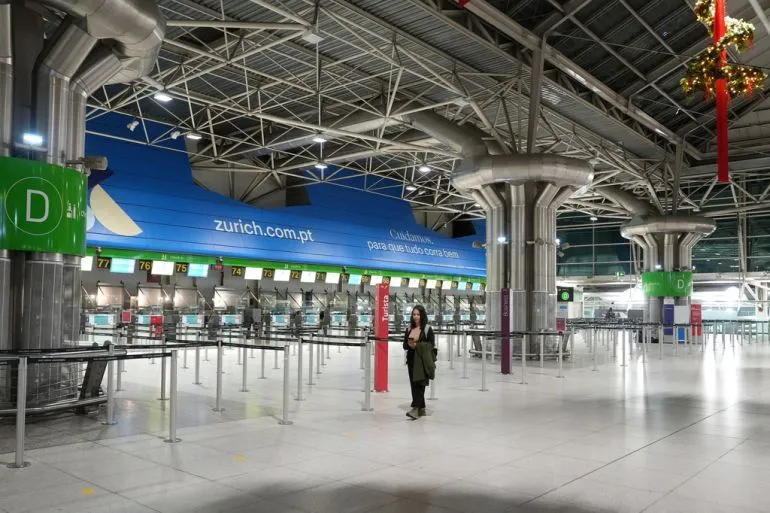
Portugal faced widespread disruption on Tuesday as a major general strike brought several public services to a halt, affecting transport, education, healthcare and municipal operations nationwide. Unions representing thousands of workers coordinated the strike to protest wage conditions, staffing shortages and rising living costs. The action marks one of the most significant labour demonstrations Portugal has seen in recent years.
Public transport networks were heavily impacted throughout the morning, with trains, buses and metro services operating at reduced capacity or facing complete stoppages in some regions. Commuters in Lisbon and Porto reported long delays and overcrowded stations as alternative routes quickly filled. Authorities advised residents to anticipate extended travel times and rely on remote work arrangements where possible.
Schools across the country also experienced significant absenteeism among staff. Many families were forced to adjust schedules or keep children at home as educators joined the nationwide protest. School administrators say the strike highlights long standing concerns about workload pressures and insufficient hiring in the education sector.
Healthcare services faced notable strain as medical support staff and administrative teams participated in the strike. Hospitals reported delays in non urgent appointments and longer waiting times for routine services. Emergency care remained operational, but officials acknowledged the visible pressure placed on already stretched resources.
Municipal services were similarly affected, with waste collection delays, reduced counter services and disruption to public maintenance operations. Local authorities urged residents to be patient as essential services resumed gradually throughout the day. City officials noted that the strike underscored structural issues that require long term solutions rather than temporary responses.
Union leaders said the strike was intended as a clear message to the government regarding the cost of living, public sector wages and workforce shortages. They argue that inflation and rising housing expenses have outpaced salary adjustments, creating unsustainable conditions for many workers. The unions called for renewed negotiations and stronger commitments to improve employment stability.
Government officials acknowledged the concerns raised but urged for continued dialogue. They emphasized that recent reforms and budget measures aim to strengthen public services while maintaining fiscal responsibility. Authorities said they remain open to further discussions but stressed the importance of balancing wage demands with national economic goals.
Businesses across Portugal also felt the ripple effects of the strike. Retail operations reported limited staffing, while supply chain delays affected deliveries in key commercial hubs. Market analysts noted brief fluctuations in local economic activity, though they expect conditions to normalise as services resume.
Residents expressed a mix of frustration and understanding. Many supported the workers’ demands, noting that the cost of living in urban areas such as Lisbon has climbed sharply. Others emphasized the challenges caused the sudden disruptions, particularly for those unable to work remotely or access alternative transportation.
As services gradually stabilised later in the day, union representatives signalled that further actions could follow if negotiations stall. They argue that sustainable improvements in working conditions are essential to protect the quality of public services nationwide. The government is expected to issue updated statements as discussions progress in the coming weeks.
The general strike has reignited national debate on wages, public investment and the future of essential services in Portugal. With both sides signalling a willingness to continue talks, the coming months will determine whether this moment becomes a turning point in the country’s labour landscape.


