






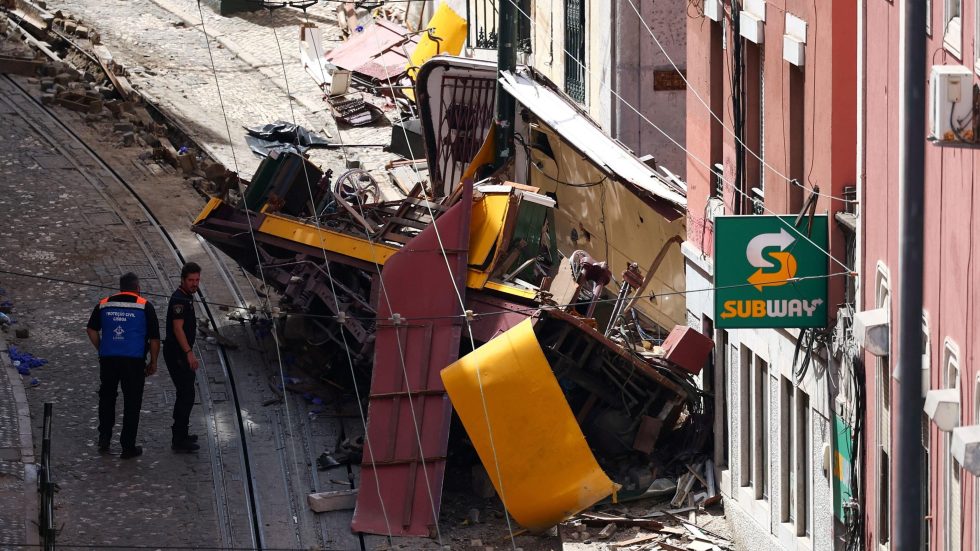
Lisbon voters have returned the city’s mayor to office in a closely watched municipal election held against the backdrop of recent tragedy. Less than six weeks after a deadly funicular accident shook the capital and drew intense public scrutiny, the electorate delivered a clear verdict. The result signals both continuity in city leadership and a complex public response to crisis, accountability, and governance.
The vote took place at a moment when emotions were still raw. The fatal crash, which claimed the lives of sixteen people including eleven tourists, raised urgent questions about safety oversight and municipal responsibility. Many observers expected the tragedy to weigh heavily on the outcome, making the election a critical test of public confidence.
A Vote Shaped Crisis and Continuity
The re election of Carlos Moedas came with forty two percent of the vote, a result that exceeded expectations given the timing. Municipal elections often reflect local concerns such as housing, transport, and public services, but this campaign unfolded under exceptional circumstances.
For some voters, the decision appeared rooted in a desire for stability during a difficult period. Others viewed the election as an opportunity to separate long term governance from an isolated but devastating incident. While public anger was visible in the weeks following the crash, the ballot box revealed a more nuanced mood across the city.
The Impact of the Funicular Disaster
The funicular crash became one of the most serious public safety incidents in Lisbon in recent memory. The loss of life, particularly among visitors, placed the city under international attention and intensified debate around infrastructure maintenance and oversight.
In the aftermath, questions were raised about inspection regimes, operator responsibility, and whether warning signs had been overlooked. Although investigations remain ongoing, the tragedy forced local authorities to confront gaps in safety management and crisis communication. For many residents, the election was the first major civic moment since the incident, giving it added symbolic weight.
Public Trust and Political Judgment
Elections held soon after traumatic events often function as informal referendums on leadership. In this case, the outcome suggests that a significant portion of Lisbon’s population chose to maintain trust in the existing administration rather than demand immediate political change.
Analysts note that local voters may have weighed the mayor’s broader record on urban development, economic recovery, and international positioning of the city. Lisbon has faced mounting pressures from tourism growth, housing affordability, and transport strain, all of which require long term planning beyond a single crisis.
Managing Grief While Governing a Global City
For city leadership, the challenge now is balancing mourning and accountability with forward looking governance. Lisbon remains a major European destination, and restoring confidence in public transport safety is essential both for residents and visitors.
The re election does not erase public concern. Instead, it places renewed responsibility on the administration to deliver transparency, reforms, and tangible improvements. How authorities respond to investigation findings and implement safety measures will likely shape public perception in the months ahead.
What the Result Means for Lisbon
The election outcome highlights the complexity of democratic decision making during moments of collective shock. Voters can express empathy for victims while still opting for continuity, particularly if they believe structural solutions require steady leadership.
For Lisbon, the result underscores the importance of rebuilding trust through action rather than rhetoric. Infrastructure safety, urban resilience, and clear communication will remain under close public scrutiny. The city’s ability to learn from tragedy may ultimately matter more than the election itself.
Looking Ahead After a Difficult Chapter
Lisbon now enters its next municipal term carrying both the weight of recent loss and a renewed mandate. The coming period will test whether political continuity can translate into meaningful change. For residents and visitors alike, the expectation is clear. Tragedy must lead to accountability, and leadership must prove worthy of the confidence placed in it.


