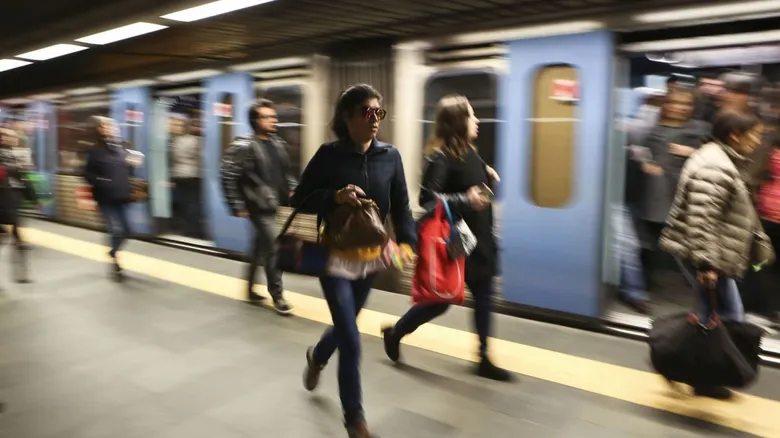
Lisbon Metro has announced a complete suspension of its services along with the closure of all stations during the upcoming general strike. According to information published the company, metro operations will stop at six thirty in the morning on Thursday and will only resume at one in the morning on Friday. Normal service is expected to return from six thirty on Friday morning.
The announcement has raised concern among commuters across the Lisbon Metropolitan Area, many of whom rely on the metro as their primary mode of daily transport. The shutdown coincides with a nationwide strike that is expected to affect multiple sectors and disrupt routine mobility across the capital.
Strike Linked to Proposed Labour Law Reform
The general strike has been called Portugal’s two major trade union confederations, CGTP and UGT. The action is a response to a draft labour law reform proposed the government, which unions argue weakens worker protections and alters established labour rights.
choosing December eleventh for the strike, unions aim to apply pressure during a busy working period, maximizing public visibility and political impact. Public transport has traditionally been a focal point during such actions, given its central role in daily life and economic activity.
No Minimum Services Ordered for the Metro
Unlike other transport operators in Lisbon, the metro is not required to provide minimum services during the strike. The Arbitration Tribunal of the Economic and Social Council unanimously decided not to impose minimum service obligations for metro circulation.
This decision sets Lisbon Metro apart from Carris bus services and national rail operations, which are legally required to maintain limited service levels during strikes. The absence of minimum services means a complete halt rather than reduced frequency, significantly increasing the scale of disruption.
Lisbon Metro Pushes Back Against Ruling
Lisbon Metro has strongly criticized the tribunal’s decision, describing it as having a particularly serious impact on residents of the metropolitan area. In a public statement, the company argued that the lack of minimum services undermines the essential mobility needs of citizens, especially those who depend on public transport to reach workplaces, hospitals, and schools.
The company also emphasized its structural role within Lisbon’s public transport network, noting that the metro functions as a backbone system connecting multiple districts and supporting other transport modes. Lisbon Metro has confirmed that it intends to appeal the decision in an effort to reinstate minimum service requirements in future strike actions.
Impact on Daily Life Across the City
The shutdown is expected to have widespread consequences across Lisbon. Morning commuters are likely to face congestion on roads as many turn to private cars or ride hailing services. Bus networks may also experience overcrowding as displaced metro passengers seek alternatives.
Workers in essential services, including healthcare and retail, may find it especially difficult to reach their destinations. Tourists unfamiliar with the city’s transport system could also encounter confusion and delays, particularly those arriving with luggage or traveling early in the morning.
Authorities are advising residents to plan ahead, explore alternative routes, and allow extra travel time where possible. Employers are also being encouraged to consider flexible arrangements for affected staff.
A Broader Debate on Public Transport and Strikes
This situation has reignited debate over how public transport strikes should be managed in major urban centers. While unions argue that the right to strike must be preserved to protect workers’ interests, transport operators and city officials warn that full shutdowns place disproportionate strain on the public.
As Lisbon continues to grow and urban mobility becomes more complex, balancing labour rights with essential public services remains a challenge. The outcome of Lisbon Metro’s appeal and the government’s response to the strike demands may influence how similar disputes are handled in the future.
For now, residents are bracing for a difficult day of travel as the capital prepares for one of its most disruptive transport stoppages in recent months.