A city growing faster than its systems
Lisbon has entered 2026 facing a familiar but intensifying challenge. The city continues to attract tourists, new residents and international investment, yet its infrastructure is struggling to keep pace. From transport disruptions to housing shortages and overcrowded public spaces, the Portuguese capital is increasingly showing the strain of rapid growth layered onto systems never designed for this level of demand.
While Lisbon’s global appeal has brought economic benefits, it has also exposed structural weaknesses that require more than short term fixes. The tension between growth and livability is now one of the defining issues shaping the city’s future.
Transport networks feeling the strain
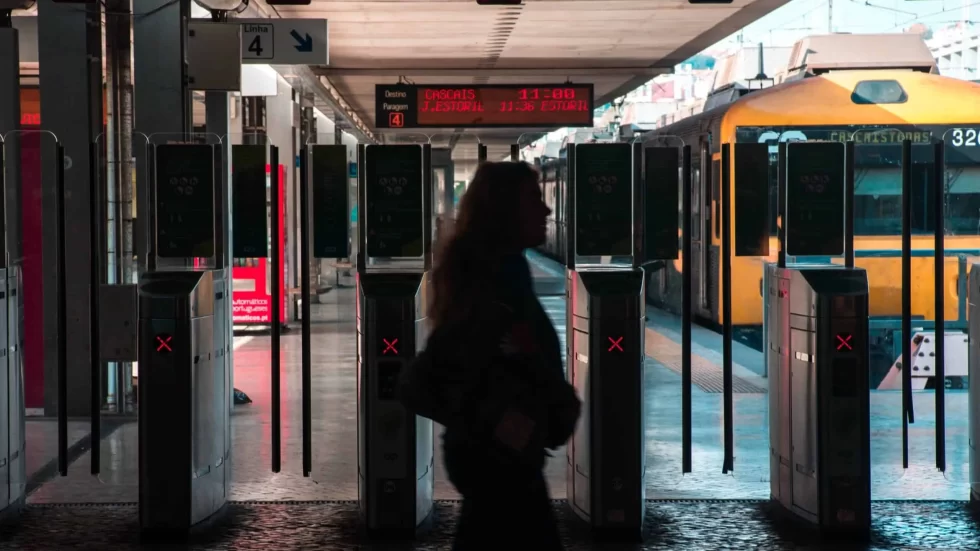
Public transport remains one of the most visible pressure points. Lisbon Metro disruptions, congestion around key hubs and growing dependence on surface transport during service interruptions have highlighted how vulnerable mobility has become. Lines serving the airport and major interchanges are especially sensitive, with even minor technical faults quickly cascading into citywide delays.
Bus networks and commuter trains are absorbing rising passenger numbers, but reliability remains uneven. For residents, daily travel has become less predictable. For visitors, first impressions of the city are increasingly shaped queues, delays and overcrowded platforms.
Tourism brings benefits but also friction
Tourism continues to be a major economic driver, supporting jobs across hospitality, retail and services. However, its concentration in central neighborhoods has amplified pressure on public space and local infrastructure. Popular areas along the riverfront and historic districts now experience near constant foot traffic throughout the year.
Local authorities have responded with measures such as tourist taxes and crowd management initiatives, aiming to balance economic gains with quality of life for residents. Critics argue that while these measures generate revenue, they do not address deeper issues around capacity, planning and decentralization of tourism flows.
Housing affordability remains unresolved
Perhaps the most sensitive issue is housing. Rising rents and property prices have pushed many residents to the city’s periphery, increasing commuting times and social inequality. Short term rentals and foreign investment have transformed parts of the housing market, but supply has not kept up with demand.
Efforts to expand affordable housing have progressed slowly, constrained bureaucracy, funding limits and long development timelines. For many Lisbon residents, the sense that the city is becoming harder to live in is growing alongside visible prosperity.
Infrastructure built for another era
Lisbon’s challenges are not new, but they are compounded the age of its infrastructure. Much of the city’s transport, utilities and public facilities were built decades ago for a smaller population and lower intensity of use. Incremental upgrades help, but they often fall short of what is needed for long term resilience.
Urban planners warn that without coordinated investment across transport, housing and public services, Lisbon risks becoming a city that functions well for visitors but poorly for those who live and work there year round.
Political pressure and public expectations
These pressures are increasingly shaping political debate at both municipal and national levels. Residents expect visible improvements, not just studies or pilot projects. Transport reliability, housing access and urban maintenance are now central to public confidence in governance.
At the same time, policymakers face tight budgets and competing priorities. Balancing fiscal responsibility with urgent investment needs remains a difficult equation, especially as economic uncertainty persists across Europe.
A crossroads for the capital
Lisbon’s situation reflects a broader challenge facing many European cities, but local context matters. The city’s geography, heritage constraints and economic structure make solutions complex. However, continued delay risks entrenching problems that become harder and more expensive to fix.
The coming years will be decisive. Strategic investment, clearer planning and better coordination between agencies could help Lisbon adapt to its new reality. Without that shift, the city may continue to grow in visibility while quietly losing the balance that made it attractive in the first place.