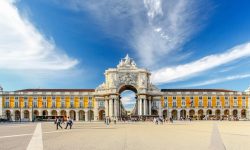
Local businesses across Portugal are celebrating a stronger than expected first quarter as a revived tourism sector fuels sales, employment and investment confidence. From hospitality to retail and transportation, companies are reporting increased activity driven rising visitor numbers and improving travel sentiment. This renewed momentum is helping stabilize communities that faced difficult years and is boosting optimism for continued growth in the coming months.
The return of international travelers is playing a decisive role in this rebound. Hotels are seeing higher occupancy rates, restaurants are experiencing consistent foot traffic and tour operators are expanding their offerings to meet demand. As global travel patterns shift back toward pre pandemic levels, Portugal finds itself well positioned to benefit thanks to its reputation for safety, scenic destinations and cultural richness.
Tourism Recovery Spurs Broad Economic Activity
The resurgence of tourism has become one of the most important factors behind Portugal’s strong Q1 performance. Businesses in major cities like Lisbon and Porto, as well as coastal regions and smaller towns, are reporting substantial growth in revenue compared to the previous year. Many attribute this success to increased flights, targeted promotional campaigns and traveler interest in sustainable and experiential tourism.
Hotels have seen some of the most notable improvements, with bookings rising steadily since early January. This surge has encouraged several companies to hire additional staff and reopen services that were scaled back in previous years. Restaurant owners are also seeing better results as both locals and tourists contribute to higher dining activity throughout the week.
Retail sectors that depend heavily on visitor spending, including fashion, souvenirs and specialty products, are reporting higher sales volumes. The combination of increased tourist footfall and stronger consumer confidence from residents is creating a positive environment for business expansion and investment.
Small Businesses Remain Central to the Recovery
While larger companies benefit from global brand recognition and established operations, small and medium sized enterprises remain at the core of Portugal’s economic revival. Family owned shops, independent cafes and local tour operators are experiencing renewed customer engagement that allows them to recover lost ground. Many have introduced digital tools and updated service models to match changing consumer expectations.
In cities like Lisbon, small businesses are benefiting from diversified tourism trends that bring not only short term visitors but also remote workers and long stay travelers. These groups contribute to stable revenue streams for accommodation providers, coworking spaces and neighborhood restaurants. Their presence offers small businesses a more predictable customer base throughout the year.
Community level initiatives have played a key role in supporting small business success. Local authorities and tourism boards have organized events, markets and cultural activities that encourage both residents and visitors to explore different districts. These efforts strengthen neighborhoods while creating new business opportunities across a wider geographic area.
Transport and Hospitality Expand to Meet Demand
As tourism increases, Portugal’s transport and hospitality sectors are undergoing expansion to accommodate rising demand. Airlines have added new routes and increased flight frequencies to major cities, while train and bus services have strengthened schedules to support higher passenger volumes. These improvements enhance accessibility and help distribute visitors more evenly throughout the country.
Hospitality businesses are also investing in upgrades to facilities, digital booking systems and sustainable service options. Hotels and hostels are deploying new technologies that streamline check in processes, improve guest services and reduce operational costs. Sustainability initiatives, such as energy efficient designs and eco friendly amenities, are becoming standard features as businesses respond to environmentally conscious travelers.
Tour operators and activity providers are developing new packages that highlight cultural experiences, nature attractions and regional gastronomy. These offerings cater to tourists looking for deeper engagement with local culture and encourage travel beyond well known urban centers. As a result, economic benefits are spreading to smaller regions that historically received less attention.
Rising Confidence Encourages Future Investment
The strong Q1 results have increased business confidence across multiple sectors. Many companies are preparing new investments in infrastructure, technology and workforce training to support future growth. Entrepreneurs are launching new hospitality concepts and retail ventures, encouraged the resilience shown in early economic indicators.
Commercial property markets are also starting to feel the effects of renewed activity. Retail spaces once left vacant are being reopened, and investors are exploring development opportunities in high traffic areas. These changes reflect a belief that Portugal’s tourism driven recovery has long term potential.
Policymakers are monitoring the positive trends closely and highlighting the importance of sustainable tourism development. maintaining a balanced approach that protects natural and cultural resources, officials aim to ensure that economic growth aligns with long term community well being.
Conclusion
Portugal’s strong first quarter growth reflects the powerful impact of a resurgent tourism sector combined with renewed consumer confidence and expanding business activity. Small and large companies alike are benefiting from higher visitor numbers, improved transport services and rising investment optimism. As the year progresses, Portugal appears poised to maintain this momentum and further establish itself as a dynamic and resilient economic destination.