The impossible act of following Sir Alex
When Sir Alex Ferguson retired in 2013, Manchester United lost more than a manager. They lost an era defining figure whose authority, tactical instinct, and cultural control shaped the club for more than a quarter of a century. What followed was not simply a transition, but a prolonged identity crisis. Ten managers have since tried and failed to restore United to their former dominance, each inheriting the same burden of expectation without the same structural stability.
Judging those managers fairly requires context. Different ownership models, shifting recruitment strategies, and constant executive reshuffles meant no successor enjoyed the clarity or backing Ferguson once commanded.
David Moyes and the weight of inheritance
David Moyes was chosen as Ferguson’s handpicked successor, a decision that instantly set him up for scrutiny. Tasked with replacing a legend while maintaining continuity, Moyes struggled to assert authority over a title winning squad built for a different style. Tactical conservatism and uncertainty undermined confidence, and his reign ended before it had truly begun.
His failure was swift, but it also revealed how ill prepared the club was for succession planning.
Van Gaal brought order but lost emotion
Louis van Gaal arrived with pedigree and a mandate to impose structure. He delivered discipline, youth promotion, and an FA Cup, but his rigid football drained joy from Old Trafford. Possession without penetration alienated supporters, and progress felt theoretical rather than tangible.
Van Gaal restored some order behind the scenes, but failed to reconnect the club emotionally with its fan base.
Mourinho delivered trophies not renewal
Jose Mourinho arguably achieved more than most of his successors. He won the Europa League, League Cup, and Community Shield, and finished second in the league. Yet his confrontational style, public criticism of players, and short term thinking left deep scars.
While Mourinho brought silverware, he did not build a foundation. His tenure reinforced the sense that United were chasing relevance rather than rediscovering identity.
Solskjaer stabilised without transforming
Ole Gunnar Solskjaer’s appointment initially felt like nostalgia, but his impact went deeper. He stabilised a fractured dressing room, improved league finishes, and reached a European final. Players spoke of renewed belief and freedom.
However, tactical limitations and an inability to win decisive matches ultimately capped his ceiling. Solskjaer steadied the ship, but could not steer it back to dominance.
Rangnick exposed structural flaws
Ralf Rangnick’s interim spell was less about results and more about diagnosis. His blunt assessments of squad imbalance, recruitment failures, and outdated systems were uncomfortable but accurate. On the pitch, performances dipped further, reflecting a group already drained of confidence.
Rangnick’s legacy lies not in wins, but in revealing how deep the club’s problems had become.
Ten Hag and the promise of control
Erik ten Hag arrived with a clear footballing philosophy and initially delivered hope. A domestic cup win and Champions League qualification suggested progress. Yet inconsistency, injuries, and off field issues derailed momentum.
Ten Hag’s struggle illustrated how even structured, modern coaches can falter without alignment across recruitment, leadership, and culture.
Where Ruben Amorim fits in
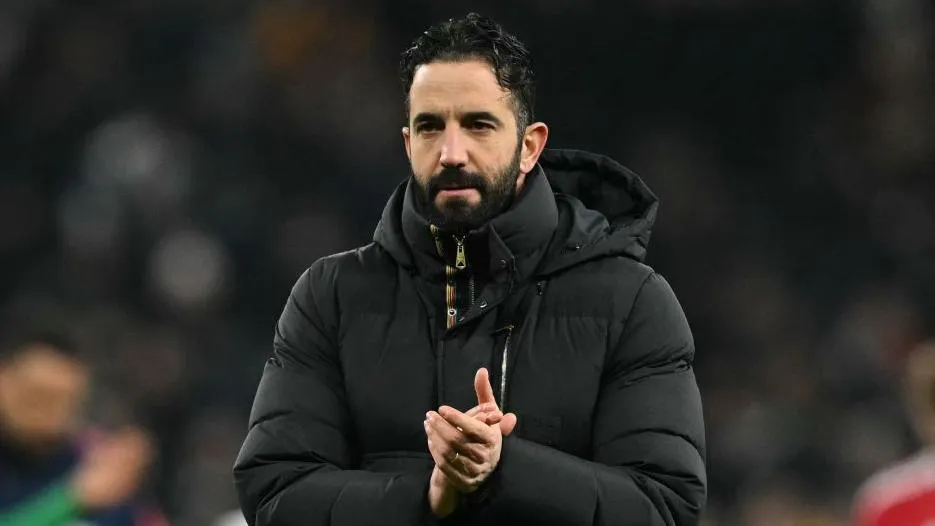
Ruben Amorim’s tenure is often criticised, but statistically and contextually, he is not the worst of the post Ferguson era. He inherited a squad mid transition, operated under financial and structural constraints, and attempted to impose a clear tactical identity.
While results have been uneven, his points per game and underlying metrics compare favourably with some predecessors. More importantly, his approach reflects a longer term vision rather than crisis management.
A cycle bigger than any manager
The common thread across all ten managers is not individual failure, but institutional drift. Constant resets, conflicting philosophies, and reactive decision making have defined the post Ferguson years.
United’s problem has never been a lack of managerial talent. It has been the absence of a coherent footballing structure capable of supporting one.
Measuring failure differently
Labeling managers as successes or failures oversimplifies a complex decade. Some won trophies without progress. Others built foundations without glory. Amorim’s record sits somewhere in between, flawed but not disastrous.
Until Manchester United align leadership, recruitment, and identity, even the best manager will struggle. The post Ferguson era is less a list of failed coaches, and more a lesson in how not to run a modern football club.