Introduction
For decades, finance was the language of bankers, economists, and policymakers. It spoke in numbers and jargon, locked away from the public behind the walls of institutions. Today that language sounds very different. In 2025, memes, jokes, and viral videos are shaping how Europe talks about money. Humor has become the new grammar of economic discussion, and social media has become the lecture hall.
From Lisbon to Berlin, financial memes are translating interest rates and inflation into something ordinary citizens can laugh at and understand. The rise of this movement marks a profound shift in how Europeans engage with economics. What once belonged to experts now belongs to everyone, and laughter is the bridge that connects them.
The Birth of the Meme Economy
The transformation began during the pandemic when millions were confined to their homes and turned to the internet for distraction. Stock trading apps, cryptocurrency platforms, and social networks created a new generation of investors who learned finance through humor. Viral posts about market crashes, government bailouts, or cryptocurrency bubbles captured attention faster than official reports ever could.
In Europe, this trend evolved into a cultural conversation. Meme pages in Spain mocked rising rent prices, while creators in France joked about inflation and the European Central Bank. In Portugal, online artists produced animated parodies explaining complex financial systems through storytelling and irony.
These memes did more than entertain; they educated. They turned abstract ideas into relatable moments. A joke about energy bills or grocery costs could communicate inflation better than a paragraph of statistics. Through humor, the invisible world of finance became visible and accessible.
From Trading Floors to TikTok
Traditional finance has always relied on trust and communication. Today that trust is built through engagement rather than authority. Platforms like TikTok, Instagram, and YouTube have become digital trading floors where humor and analysis meet. Influencers blend jokes with advice, mixing economic commentary with relatable daily struggles.
In London, creators use sketches to compare government budgets to household spending, highlighting how political decisions affect everyday lives. In Germany, comedians produce parody news segments that explain inflation rates using exaggerated metaphors. These performances humanize what once felt mechanical.
The tone of online financial humor reflects the mood of a generation. It is witty, skeptical, and self-aware. People laugh not only at the absurdity of markets but also at their own confusion about them. The comedy works because it acknowledges shared uncertainty.
The Democratization of Economic Language
One of the most powerful effects of finance humor is its ability to democratize knowledge. For too long, economic literacy was seen as an elite privilege. The rise of meme culture has disrupted that hierarchy. When a viral post breaks down fiscal policy into a joke, it invites anyone to join the conversation.
This shift is particularly significant among younger Europeans. Studies show that citizens under thirty are more likely to learn about financial topics through social media than through traditional education. They trust humor because it feels authentic. The informality of memes encourages participation without intimidation.
Even professional economists have begun acknowledging this trend. Universities and think tanks now study financial humor as a communication strategy. Humor, they argue, may hold the key to improving public understanding of economic policy. In a continent struggling with inequality and disillusionment, that understanding is crucial.
Economic Comedy as Cultural Commentary
Finance humor does not simply explain money; it critiques it. The jokes about inflation, housing, and taxation often carry political undertones. When Portuguese or Italian creators mock bureaucratic inefficiency, they express real frustrations shared millions. Comedy becomes protest disguised as laughter.
This form of cultural commentary also reflects regional differences. In Southern Europe, where economic hardship has shaped daily life, humor often takes on a bittersweet tone. In Northern Europe, it leans toward sarcasm and clever understatement. Together, these styles create a mosaic of European emotion expressed through finance.
What unites them is the desire to make sense of a complex system. Laughter softens the fear of economic instability, allowing people to process it collectively. In this way, finance humor functions as therapy for a continent navigating uncertainty.
When Humor Meets Policy
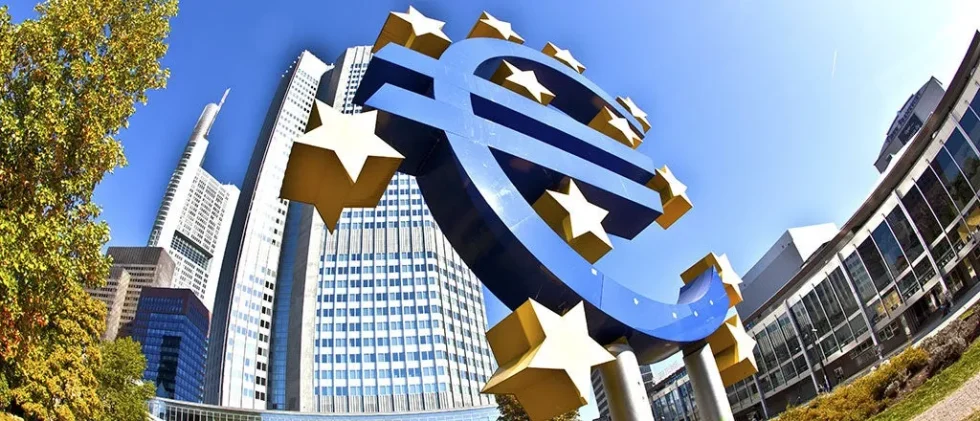
Governments and financial institutions have not ignored this trend. Many now use humor themselves to engage with the public. The European Central Bank’s social media accounts experiment with playful posts that simplify policy decisions. National banks collaborate with digital creators to promote financial literacy campaigns.
These efforts recognize that traditional communication no longer works in isolation. Citizens respond to humor because it feels conversational rather than condescending. When officials explain inflation with plain language and a hint of wit, they appear more human and credible.
However, the blending of humor and authority comes with risks. The same jokes that build connection can also blur the seriousness of financial realities. Striking the right balance between levity and responsibility remains a challenge for institutions adapting to this new cultural climate.
The Business of Being Funny About Money
Behind the laughter lies a thriving creative economy. Meme accounts, comedy podcasts, and digital magazines dedicated to economic humor now attract sponsorships and brand deals. For creators, finance has become both subject and business.
This monetization reflects a broader change in media consumption. People prefer content that educates while entertaining, and advertisers follow the attention. In Lisbon and Madrid, new production studios specialize in humorous financial storytelling for corporate campaigns and online audiences. The combination of credibility and comedy has become a profitable niche.
Yet most creators still see themselves as educators before entertainers. Their primary motivation is to make finance understandable. The money follows the mission, not the other way around.
The European Meme Mindset
European humor has always been rich with irony and social awareness, and finance humor continues that legacy. It captures the contradictions of modern life: working hard yet feeling poor, saving money yet facing inflation, paying taxes yet doubting leadership. These jokes resonate because they are true, and they unite people across borders through shared experiences.
As Europe faces economic challenges from digital transformation, climate adaptation, and inequality, humor provides perspective. It helps citizens engage critically without despair. The ability to laugh at a problem often precedes the ability to solve it. That is what makes the meme economy more than entertainment, it is a form of civic participation.
Conclusion
Europe’s new financial language is written in emojis, captions, and clever irony. Humor has succeeded where jargon failed, creating a bridge between institutions and citizens. Through memes and market banter, people have reclaimed the conversation about economics. They have made money talk human again.
This shift does not trivialize the seriousness of finance; it revitalizes it. Laughter has become the soundtrack of a continent learning to cope with complexity. In the end, humor may prove to be Europe’s most valuable currency, a resource that grows stronger the more it is shared.