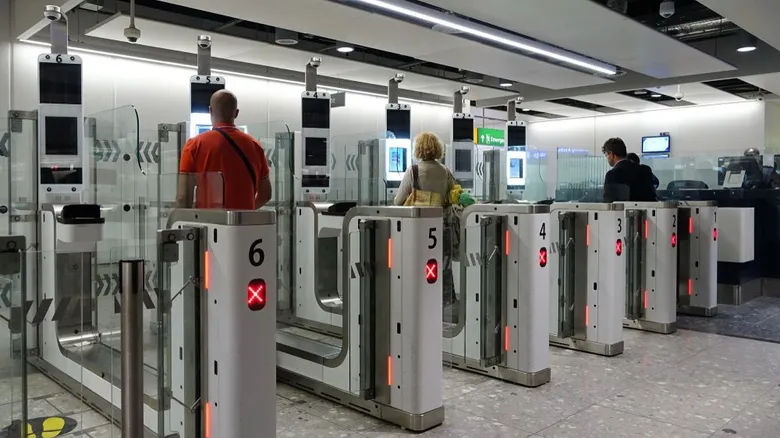
The temporary suspension of border control systems for non EU citizens at Lisbon Airport has triggered sharp political backlash, with opposition figures accusing the government of failing to plan adequately for airport security and passenger management. The issue has quickly escalated into a broader debate about competence, preparedness, and public safety at one of Portugal’s most critical transport hubs.
The suspension, which is set to last for three months, was introduced as authorities grappled with operational pressures at the airport. While the government has framed the move as a necessary adjustment supported increased security staffing, critics argue it reflects deeper structural and leadership failures.
Opposition Accusations of Government Failure
The leader of the Socialist Party, Pedro Nuno Santos, has openly accused the government of unpreparedness and incompetence. According to the opposition, suspending a key border control system without robust alternatives in place raises serious concerns about national security and institutional reliability.
The Socialist Party has demanded clear explanations from the government, questioning how such a decision was allowed to occur at Portugal’s main international gateway. Critics argue that border management is a fundamental state responsibility and should not be disrupted due to operational shortcomings.
Government Response and Security Measures
Government officials have defended the suspension, stating that it does not represent a lapse in border security. Authorities insist that checks continue through alternative procedures and that the airport has been reinforced with additional personnel from the GNR to ensure effective oversight.
According to the government, the measure is temporary and designed to stabilize passenger flows while addressing technical and staffing challenges. Officials have emphasized that security protocols remain in force and that the presence of additional officers compensates for the paused digital systems.
Despite these assurances, the lack of detailed public communication has fueled skepticism and political criticism.
Security Concerns and Public Confidence
At the heart of the controversy is public confidence. Lisbon Airport handles millions of international travelers each year and serves as the primary entry point into Portugal. Any disruption to border procedures inevitably raises questions about the country’s ability to manage migration, tourism, and security simultaneously.
Opposition leaders argue that even the perception of weakened border controls can damage Portugal’s reputation and strain public trust. They warn that emergency measures should not become substitutes for long term planning and investment in infrastructure and staffing.
Security analysts note that while manual checks can be effective, sudden system suspensions increase pressure on frontline personnel and raise the risk of human error.
A Broader Debate on Airport Capacity
The episode has also reignited discussion about Lisbon Airport’s long standing capacity problems. Passenger numbers have grown steadily in recent years, often outpacing infrastructure upgrades. Border controls, staffing shortages, and terminal congestion have become recurring issues, particularly during peak travel periods.
Critics argue that the current situation reflects years of delayed decisions and fragmented management. They say that temporary fixes, while sometimes unavoidable, point to a need for comprehensive reform of airport operations and border management systems.
What Happens Next Politically
The Socialist Party has called for parliamentary scrutiny and formal explanations from the Portuguese Government, warning that accountability is essential when national security is involved. The government, meanwhile, is expected to provide further details on how the suspension will be managed and when full systems will be restored.
As the debate continues, the situation at Lisbon Airport has become more than an operational issue. It now stands as a test of political leadership, crisis management, and the state’s ability to balance efficiency with security in an era of growing travel demand.