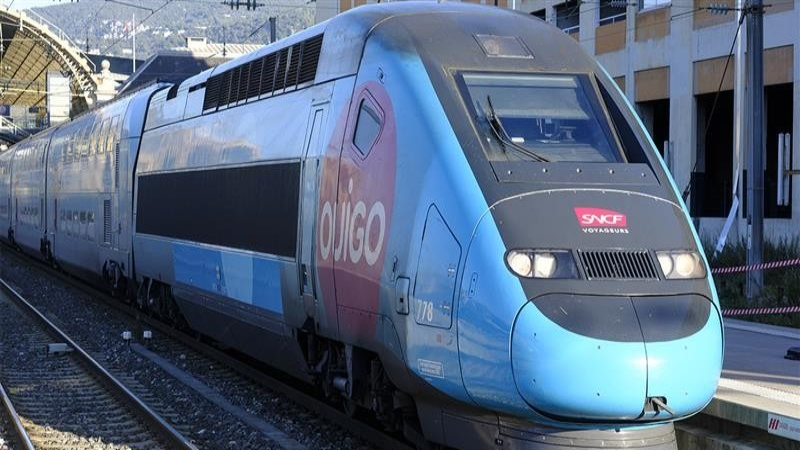
Portugal has formally launched the tender for the second public-private partnership of the Porto to Lisbon high-speed rail line, marking a significant step forward in one of the country’s most ambitious transport infrastructure projects. The new phase covers the Oiã to Soure section and represents a major investment in national rail modernisation.
The project, led Infraestruturas de Portugal, involves an overall investment of €2.4 billion. It includes the construction of 60 kilometres of new high-speed railway track and 18 kilometres of connections to the existing conventional rail network. The concession will span 30 years, covering development, maintenance, and operational availability.
The maximum authorised construction cost for this phase is €1.603 billion, with state payments scheduled between 2026 and 2056. Officials describe the model as designed to balance public oversight with private sector efficiency, ensuring long term performance and infrastructure resilience.
The Porto to Lisbon high speed corridor is being developed in three separate public private partnerships. The first section between Porto and Oiã has already been contracted, while the third stretch between Soure and Carregado is expected to go to tender in the first half of 2026. Together, the three segments will complete the backbone of a faster north south rail link across mainland Portugal.
Government projections indicate that the new line could remove up to five million tonnes of carbon dioxide emissions 2050. The environmental impact is expected to come from a modal shift away from road and short haul air travel towards electrified rail services. Authorities estimate that the line could support up to 60 daily passenger services once fully operational.
Freight capacity is also set to expand significantly. Estimates suggest rail freight volumes could increase more than eight million tonnes, strengthening Portugal’s logistics network and reinforcing connections between ports, industrial zones and inland markets.
The high speed corridor is also strategically linked to the broader Lisbon to Madrid rail connection, which includes plans for a third crossing over the Tagus River. That cross border link is considered vital for strengthening Iberian connectivity and integrating Portugal more closely into European high speed rail networks.
Minister of Infrastructure Miguel Pinto Luz described the initiative as part of a long term strategic vision for the country. He highlighted confidence in Portuguese engineering expertise and national companies to deliver complex transport infrastructure projects at scale.
The Porto to Lisbon high speed rail line is widely viewed as a transformative project for mobility, economic development, and regional cohesion. With the second PPP phase now entering the tender process, Portugal moves deeper into a generational overhaul of its rail system.