Portugal economy news: Iran tensions and growth risks
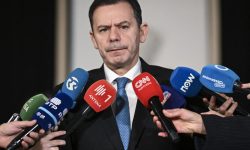
There are indications that Lisbon may view the latest Iran tensions as a potential risk to energy costs and financing conditions, rather than a distant geopolitical issue, according to public messaging from government officials. This Portugal economy news focus reflects concern that an oil and shipping shock could feed quickly into inflation, borrowing costs, and consumer spending. Officials have reportedly said in post-meeting remarks following cabinet-level discussions that they are watching exposure through oil pricing, shipping insurance, and confidence effects that can show up in household bills. The Bank of Portugal has noted in its regular publications that external energy shocks can pass through to inflation and consumption, so ministries say they are running scenario work aimed at limiting second-round effects.
Fuel prices, inflation, and the confidence channel
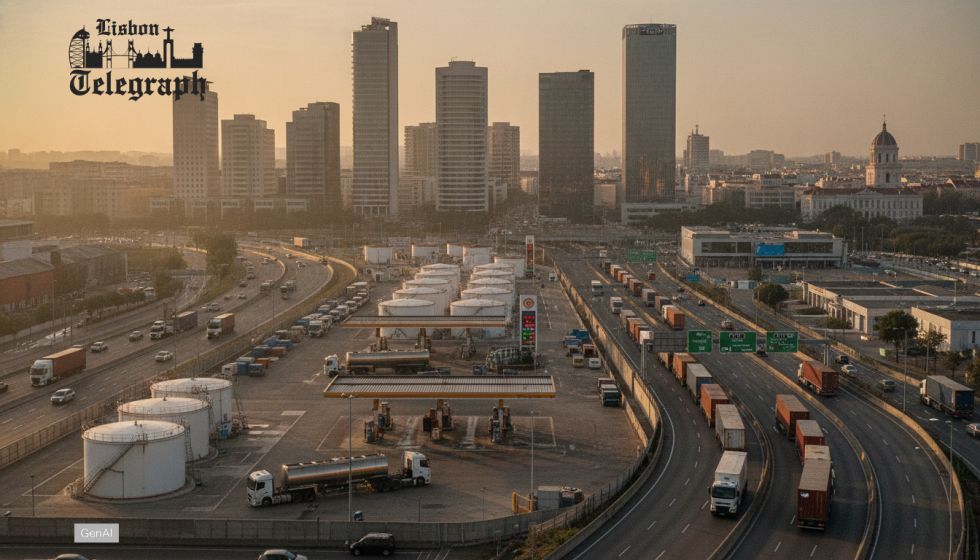
The most visible transmission mechanism is fuel prices, because crude benchmarks and refined products can react quickly when Gulf risk premia rise, according to widely observed market dynamics. For context on how attacks and supply risks translate into fuel-market volatility, the BBC has covered disruption risks tied to energy infrastructure and logistics in Ukraine strikes on fuel supply routes. Government officials have referenced monitoring the Directorate-General for Energy and Geology and the ERSE regulator when explaining how retail prices may adjust as wholesale inputs move, though they have not set out a fixed timetable for pass-through. In Portugal, higher pump prices can widen transport and food distribution costs, and they may squeeze margins for exporters that cannot reprice contracts quickly.
Government planning, budgets, and household pressure points
Ministers have been emphasising contingency planning rather than headline interventions, focusing on market surveillance, targeted support tools, and fiscal discipline if the shock persists into 2026, based on their public comments. In this Portugal economy news context, the risk discussion also intersects with existing cost pressures that shape political room for manoeuvre. The Finance Ministry has indicated it is stress-testing budget lines that are sensitive to energy costs, including public transport compensation and some procurement contracts, while keeping deficit targets in view, though detailed assumptions have not been published. Readers tracking broader domestic strains can see related context in Portuguese rental policy: Portugal speeds up evictions. Separately, a portal analysis, Pope Leo Lampedusa visit: migration and EU responsibility, has been circulated in some policy circles as a reminder that EU agendas can shift suddenly, complicating national budget priorities.
Bank of Portugal scenarios: credit, imports, and investment
Policy teams say they are modelling outcomes ranging from a short-lived spike in freight and insurance costs to a longer period of elevated energy prices that could slow demand. The Bank of Portugal has discussed in its recurring economic commentary how imported inflation can raise interest-rate sensitivity for indebted households and firms, so planners say they are watching credit conditions alongside fuel costs. For Portugal’s economic outlook, the issue is less about a single forecast and more about how quickly confidence could erode if businesses delay investment and hiring, according to analysts’ typical risk framing. The government has also said it is monitoring maritime risk indicators because Portugal’s import bill can be exposed to shipping routes even when supplies are diversified contract.
EU coordination, fiscal rules, and energy security tools
Lisbon is aligning its messaging with EU-level coordination on energy security, sanctions policy, and maritime safety, while arguing for flexibility if households face another cost shock, according to officials’ stated positions. In Portugal economy news briefings, this has also been discussed as relevant to fiscal rules, because a price shock can worsen deficits even without new spending promises. EU institutions and member states use tools such as joint procurement, storage, and infrastructure rules as stabilisers, and Portuguese diplomats want those mechanisms ready if Iran-related tensions spill into broader supply disruptions, officials have said. For more on the EU demand side of the energy debate, see EU Cooling Craze: More Energy, More Problems.