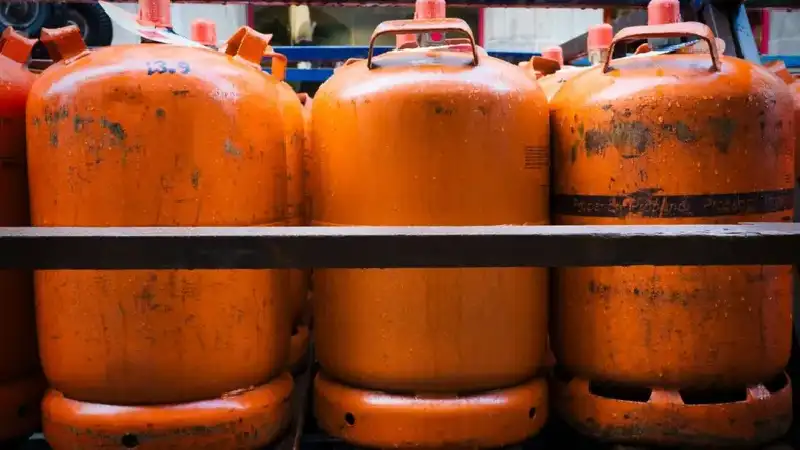
Portugal’s government has announced a new set of measures aimed at easing the burden of rising energy costs on households and businesses, as global fuel markets remain under pressure. Prime Minister Luís Montenegro confirmed that the subsidy for gas cylinders used vulnerable families will be increased to 25 euros for a limited period of three months. The decision comes as part of a broader effort to contain the impact of higher fuel prices, which have been influenced ongoing geopolitical tensions and volatility in energy supply chains affecting European economies.
The enhanced subsidy is targeted at low income households that rely on bottled gas for daily energy needs, particularly in areas where alternative energy infrastructure remains limited. Officials described the move as a response to growing social pressures, emphasizing the need for balanced and responsible intervention. The government has framed the measure as temporary support designed to stabilize household budgets during a period of heightened uncertainty, while avoiding long term fiscal strain. Authorities have also indicated that eligibility criteria will remain focused on those most affected rising living costs.
In addition to household support, the government has introduced a relief mechanism for businesses operating in transport and logistics. Under the new plan, companies involved in passenger and goods transport will receive a partial refund on diesel costs, set at 10 cents per litre. This support will apply to a capped volume of fuel per vehicle over a three month period, helping offset operational expenses that have increased alongside global oil prices. The measure aims to maintain supply chain stability and prevent cost increases from being passed directly to consumers.
The Council of Ministers is also preparing legislation to address price volatility during energy crises, including provisions to limit excessive price increases and guarantee minimum supply levels for essential services. These regulatory tools are intended to provide additional safeguards for both consumers and businesses, ensuring that critical energy access is maintained even during periods of market disruption. Officials have suggested that these measures could be activated quickly if conditions worsen, reflecting a proactive approach to managing potential risks in the energy sector.
Government representatives have acknowledged that while the new measures offer short term relief, they must be implemented with fiscal discipline. Montenegro emphasized the importance of maintaining economic stability and avoiding unsustainable spending, noting that recent growth and responsible budget management have allowed the state to respond effectively. The policy response reflects a broader European trend of targeted intervention, as governments seek to balance social support with long term economic resilience in an environment shaped geopolitical uncertainty and shifting energy dynamics.