Urban Chaos: Strikes Shake Up Cities
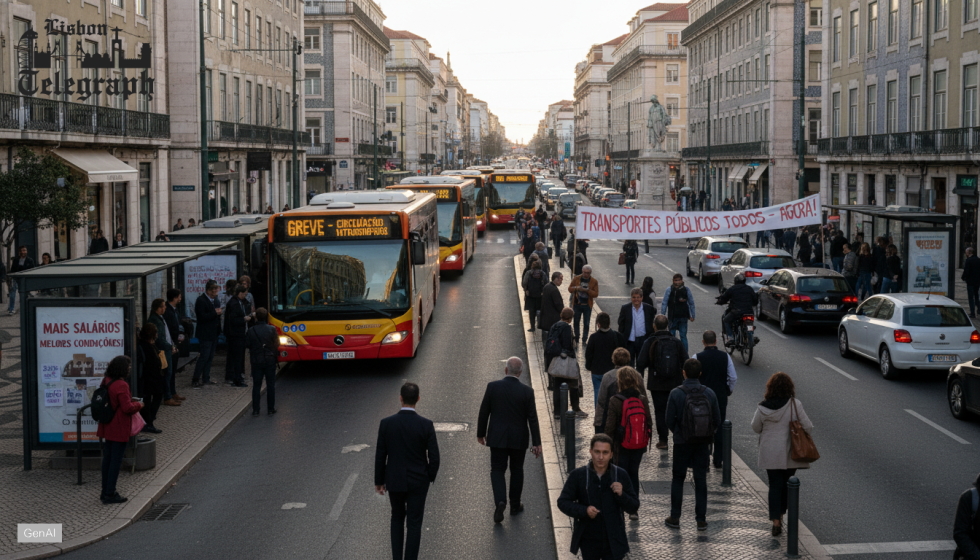
Portugal strikes spread across several cities as unions increased pressure on employers and the state over pay and staffing, according to available reports from union statements. In Lisbon, daily routines were disrupted as service counters, cleaning teams, and transport support roles reportedly slowed operations, leading to queues and reduced capacity at some sites. Commuters noted the mid-morning disruption was becoming familiar, while some residents said knock-on effects reached hospitals, schools, and municipal services that depend on consistent shift coverage. Lisbon airport also faced strain, with passengers and reports indicating staffing issues that may impact passenger flows beyond the runway schedule. Officials in Porto and Setubal said some services were degraded and urged residents to plan around the reduced capacity.
Rolling Mayhem on Wheels and Wings
Transport operators reported uneven disruption, with metro, rail, and bus schedules trimmed where legal minimum service requirements applied, according to operator notices and passenger updates. Portuguese broadcaster SIC Noticias highlighted the morning pattern of delays and cancellations. Travelers compared conditions to other European strike days, with crowding at transfer stations and frequent platform announcements, based on passenger accounts. At Lisbon airport, passengers and local reporting described longer processing times as staffing levels tightened, prompting some travelers to arrive earlier. On roads, ride-hail demand reportedly rose as public options thinned, adding pressure to central Lisbon corridors.
Pocketbook Pains: Economic Tolls
Some employers reported late arrivals and missed appointments, leading offices to shift meetings to remote formats to minimize productivity losses, according to business owners. Retailers near interchanges noted footfall concentrated into shorter windows as travelers adapted to few confirmed departures, based on anecdotal reports. Business associations caution that repeated disruption increases costs for hourly workers who miss pay. Specific totals were not confirmed here. For related budget pressures on service capacity, see Portugal braces for 17% cut to EU cohesion funds.
Clash or Compromise: Government vs. Unions
Unions framed the strikes as a response to workload and pay disputes, claiming retention failures have made rosters fragile, according to union communications. Government representatives emphasized legal minimum service rules and urged negotiation while warning that ongoing stoppages could erode confidence in essential networks. Contingency measures included redeploying staff and advising staggered travel. Outcomes often hinge on concrete timetables for wage adjustments, according to political and labor reports. For more on policy enforcement and mobility, see Portuguese road code: Portugal plans tougher fines.
What’s Next in the Crossfire?
Operators revised schedules and advised passengers to check updates, while unions indicated further action might occur if talks fail, as stated in public declarations. Municipal leaders focused on protecting peak-hour mobility. Analysts suggest repeated stoppages may push shifts towards flexible hours and remote work, potentially affecting revenue models for operators. Employers call for clearer arbitration to avoid disruptions. If negotiations secure staffing and pay commitments, stability might return; otherwise, industrial action could continue to impact Lisbon airport and other key points through the summer travel period.