






Introduction
Portugal has unveiled a €1.34 billion investment plan aimed at expanding affordable housing across the country. Officials promise this will help reduce property prices and make homeownership attainable for more citizens. Experts and residents are watching closely to see if this ambitious plan will translate into real homes or just impressive headlines.
Government Initiatives
The €1.34 billion investment will be directed toward:
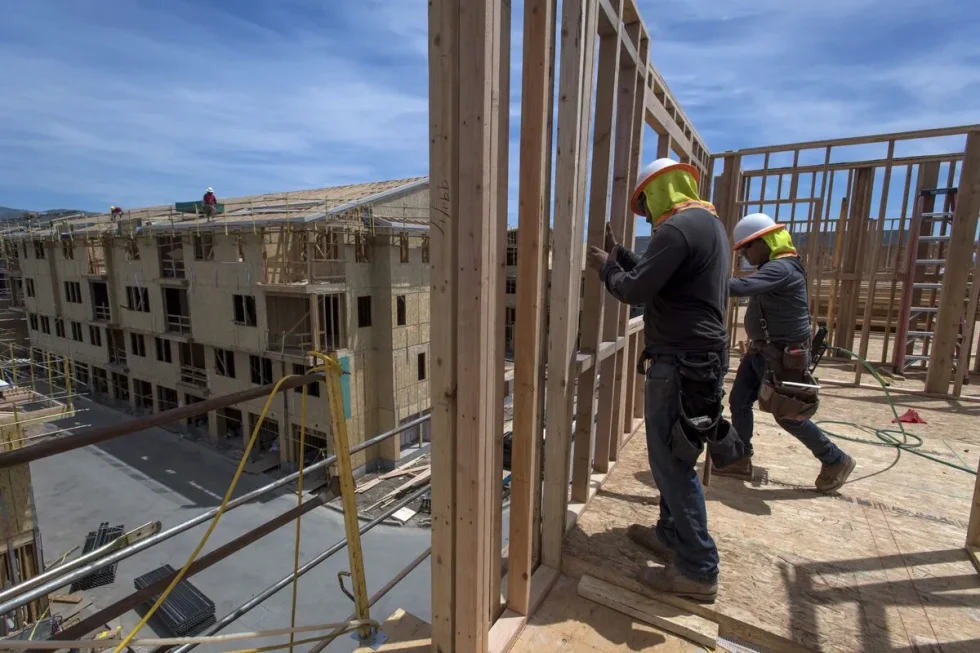
- Construction of new affordable housing units in urban and suburban areas, including Lisbon, Porto, and Braga.
- Renovation of existing social housing, improving living conditions while maintaining cost efficiency.
- Financial assistance programs for first-time buyers, including subsidies and tax breaks.
The government emphasizes that these measures aim to balance supply and demand while tackling Portugal’s ongoing housing affordability crisis.
Regional Focus and Market Impacts
Lisbon and Porto remain the most affected markets, with property prices rising steadily due to high demand and foreign investment. In Lisbon, average apartment prices increased over 12% in the last year, while Porto saw a 9% rise. targeting these cities for new housing projects, officials hope to stabilize prices and provide more opportunities for local buyers.
Smaller cities such as Coimbra, Braga, and Faro will also receive attention. These areas are seen as strategic locations to encourage population growth and reduce pressure on larger urban centers. Analysts believe that increasing housing availability in secondary cities could have a moderating effect on national property prices.
Challenges and Criticisms
While the plan is ambitious, some critics question its effectiveness. Concerns include:
- Project execution timelines. Large-scale construction often faces delays, which may postpone benefits for prospective buyers.
- Funding allocation. There is debate over whether €1.34 billion is sufficient to address the scale of Portugal’s housing crisis.
- Impact on rental markets. Even with new housing, rental costs may remain high in high-demand areas if the supply does not match population growth.
Housing experts stress that government investment needs to be complemented regulatory measures, such as controlling speculative property investments and better managing short-term rentals.
Economic and Social Implications
The plan is expected to generate thousands of construction and related jobs, boosting local economies. Additionally, providing affordable housing can improve social stability, reduce urban overcrowding, and enhance quality of life.
improving access to housing for young families and low-income citizens, the government hopes to support broader social equity initiatives. Analysts highlight that the availability of affordable housing can also positively impact domestic consumption, as citizens have more disposable income for goods and services.
Expert Opinions
Miguel Rodrigues, a housing analyst based in Lisbon, commented, “Investment alone is not enough. The success of this plan depends on careful planning, efficient execution, and complementary policies to regulate the market. If done well, it could be a game-changer for Portugal’s housing sector.”
International comparisons suggest that countries with sustained investment and regulatory oversight tend to achieve long-term affordability. Portugal’s €1.34 billion plan is comparable in scale to similar initiatives in Spain and Italy but must be closely monitored to ensure it meets its objectives.
Future Outlook
If implemented efficiently, the housing boost could lead to:
- Reduced property prices in high-demand cities.
- Increased homeownership rates among younger populations.
- Stronger economic growth driven construction, jobs, and increased domestic spending.
However, potential risks include construction delays, cost overruns, and insufficient integration with broader urban planning strategies. Government agencies have committed to publishing regular progress reports and engaging with local communities to monitor outcomes.
Conclusion
Portugal’s €1.34 billion housing boost represents an ambitious effort to improve affordability and social equity in the property market. While challenges remain, the plan has the potential to provide meaningful relief for buyers and renters, support economic growth, and enhance quality of life. For citizens and investors alike, the success of this initiative will depend on implementation, oversight, and complementary policies.


