






Introduction
If love could pay rent, every Lisbon local would already own a penthouse. Unfortunately, landlords prefer euros to emotions, even though Portugal’s rent prices now seem to require both. Across the country, the cost of living has climbed to the point where residents joke that their apartments should come with emotional support certificates. What started as a housing challenge has evolved into a cultural identity crisis, where people trade therapy tips instead of housewarming gifts. The market is not just hot; it is on fire, and everyone is pretending they enjoy the heat. Welcome to modern Portugal, where real estate agents speak in motivational quotes, and renting feels like surviving a reality show called “Who Wants to Be a Tenant.”
The Rent Market Learns to Fly
In Lisbon, rent used to be a number. Now it is a punchline. The average price for a one-bedroom apartment has reached the kind of level that makes international tourists laugh and locals cry. Real estate listings sound like luxury brochures, even for places that are basically closets with windows. Agents describe them as cozy and authentic, which is industry code for small and expensive. Gen Z renters are treating apartment hunting like speed dating, hoping to find one that will not ghost them. Meanwhile, landlords act like celebrities, offering fifteen-minute viewings to desperate applicants who arrive holding pay slips and emotional support plants.
Inflation Meets Imagination
With inflation still rising across Europe, Portuguese renters are redefining what it means to survive financially. Sharing apartments is the new national sport, and living with three roommates feels almost glamorous compared to the alternative. People joke online that they are paying more for rent than their parents paid for houses. TikTok sketches show tenants negotiating rent with their landlords using affirmations and breathing exercises. “I cannot afford this rent,” one viral clip says, “but I can manifest peace.” It is the kind of humor that comes from collective exhaustion, a coping mechanism disguised as content creation. The more absurd the prices get, the funnier the jokes become.
From Airbnb to Airbroke
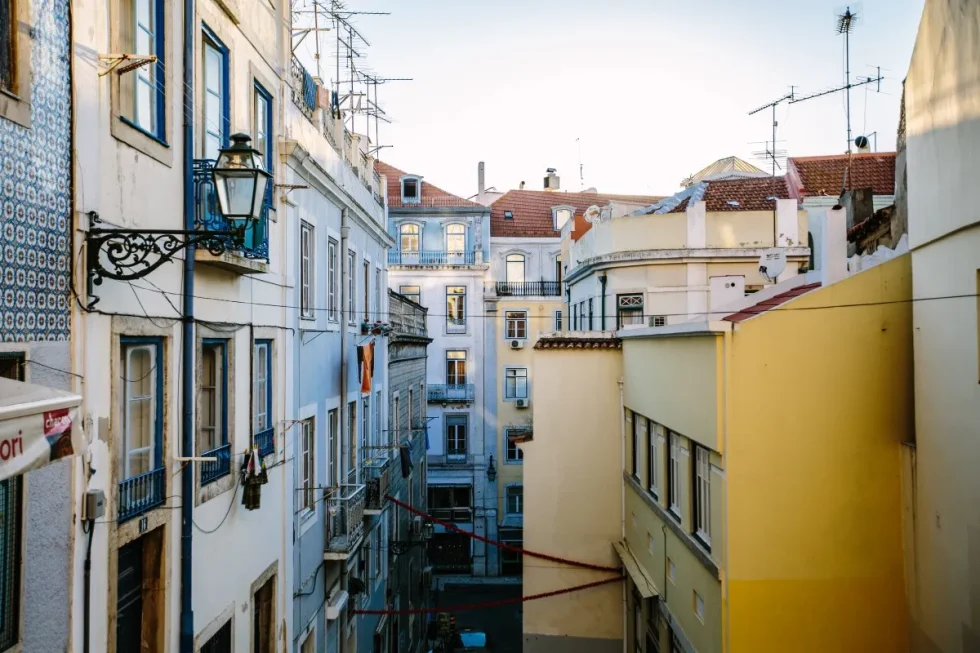
Tourism may have saved Portugal’s economy once, but now it is slowly eating its cities alive. Short-term rentals have transformed whole neighborhoods into postcard sets. Locals say they feel like extras in someone else’s vacation story. Every new Airbnb means one less home for actual residents. Politicians talk about regulation, but the only consistent policy seems to be pretending things are fine. Young professionals are moving farther away from city centers, creating a new commuter generation that measures distance in broken dreams and bus delays. Meanwhile, landlords in Lisbon proudly advertise apartments with ocean views that only last for three minutes between skyscrapers.
The Emotional Economy
Since money is no longer enough, tenants are offering creativity instead. Some promise to water plants, bake bread, or provide good vibes in exchange for slightly lower rent. There are stories of people writing heartfelt letters to landlords explaining their dreams and anxieties, hoping empathy might replace a few euros. Emotional support has become a kind of secondary currency. It may sound ridiculous, but in a world where rent consumes more than half of a salary, feelings are the only affordable asset left. Social media is full of memes showing tenants cuddling their leases like pets, whispering to them not to leave.
Tech Workers and Locals Collide
The arrival of remote tech workers has created a cultural clash that could fill an entire season of a Netflix documentary. Foreign digital nomads praise Lisbon’s “low cost of living” while locals quietly scream into their empty wallets. Cafés that once served €1 coffee now sell oat milk lattes for the price of a small lunch. English has become the unofficial second currency. The irony is that many newcomers also find themselves priced out after a few months, proving that the market has no loyalty. Everyone is competing for the same few square meters of hope. It is capitalism’s cruelest team sport.
Meme Finance Meets Reality
Online, the crisis has turned into a meme economy of its own. Twitter threads compare Lisbon rents to buying castles in rural France. Instagram influencers post pictures of sunsets with captions like “Manifesting rent control.” Portuguese TikTok creators mock real estate ads with skits that end in dramatic fainting. Humor has become a survival strategy, a way to process frustration without losing sanity. The line between comedy and documentary keeps getting thinner. Every joke hides a truth, and every truth sounds like a joke.
Conclusion
Portugal’s rent prices have officially entered absurdist territory, where money and emotions coexist in fragile harmony. The government talks about reforms, landlords talk about the market, and everyone else just talks to their houseplants for comfort. In this strange economy, emotional stability is now more valuable than financial stability. The dream of affordable housing has been replaced a collective sense of irony and resilience. People still smile, still drink coffee, still post memes about their misery. Because if laughter cannot pay the bills, at least it keeps the lights on for a little longer. In the end, that might be the truest form of rent anyone can afford.


