






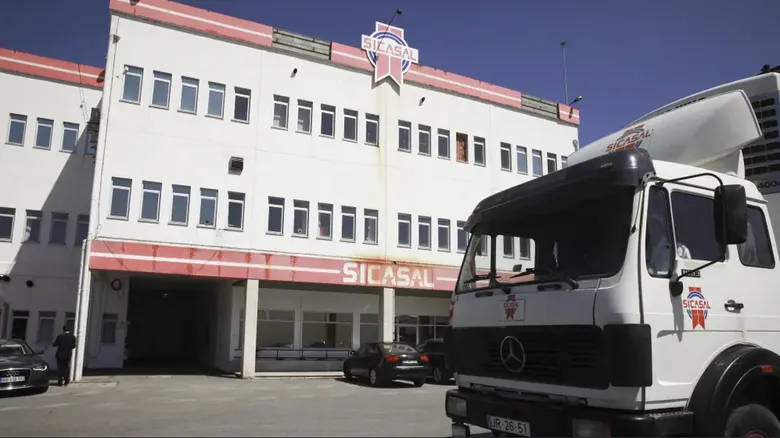
Sicasal, a meat processing company based in the municipality of Mafra, has been formally declared insolvent a Portuguese court, marking another setback for the country’s food manufacturing sector amid rising financial pressure and tighter credit conditions.
The insolvency was declared at the request of Banco Comercial Português, according to a notice published the Lisbon West District Court. The ruling confirms that the company is no longer able to meet its financial obligations, triggering a legal process that will determine the future of its assets, operations and creditors.
Sicasal operates in the meat industry and is located in the Mafra municipality, north of Lisbon, an area that hosts a mix of agricultural, industrial and logistics activities. While detailed financial figures were not disclosed in the court notice, the insolvency filing suggests prolonged financial strain that ultimately led creditors to seek judicial intervention.
Insolvency proceedings in Portugal typically follow a period of mounting debt, delayed payments and failed restructuring efforts. In many cases, banks initiate the process after determining that recovery through negotiation is no longer viable. The declaration allows the court to appoint an insolvency administrator, who will assess the company’s financial situation and oversee the protection and potential liquidation or restructuring of assets.
The meat processing sector has faced increasing challenges in recent years. Rising energy costs, higher feed prices and pressure on margins have affected producers across Europe. In Portugal, smaller and mid sized companies have been particularly vulnerable, as they struggle to absorb cost increases while competing with larger international suppliers.
Labour costs and regulatory compliance have also weighed on the industry. Meat processors operate under strict food safety and environmental rules, requiring continuous investment in equipment, certification and workforce training. For companies already carrying significant debt, these obligations can become difficult to sustain.
Sicasal’s insolvency may have implications beyond the company itself. Local suppliers, logistics firms and service providers could be affected, depending on the scale of outstanding liabilities. Employees also face uncertainty, as insolvency proceedings can lead to layoffs or delayed wage payments if operations are suspended.
The role of Banco Comercial Português in initiating the process highlights the cautious stance banks have adopted toward distressed corporate clients. As interest rates rose sharply over the past two years, debt servicing costs increased for many Portuguese companies, prompting lenders to reassess exposure and enforce legal remedies more quickly.
Portugal’s insolvency framework aims to balance creditor recovery with the preservation of viable businesses. If the insolvency administrator determines that Sicasal has a realistic chance of recovery, a restructuring plan could be proposed. Such plans may involve debt rescheduling, asset sales or changes in management. If recovery is deemed unlikely, liquidation would follow, with proceeds distributed among creditors according to legal priority.
The case comes at a time when Portugal’s economy is showing mixed signals. While tourism and exports have provided support, sectors tied to manufacturing and domestic consumption continue to face headwinds. Insolvency declarations remain closely watched as an indicator of underlying business stress.
For Mafra, the loss or downsizing of an industrial employer would add pressure to the local economy, particularly if skilled jobs are affected. Municipal authorities have not commented publicly on the court decision, but local stakeholders are expected to monitor developments closely.
As the insolvency process unfolds, attention will turn to whether Sicasal can be restructured or whether its operations will be wound down entirely. The outcome will depend on the findings of the appointed administrator and the willingness of creditors to support any recovery plan.


