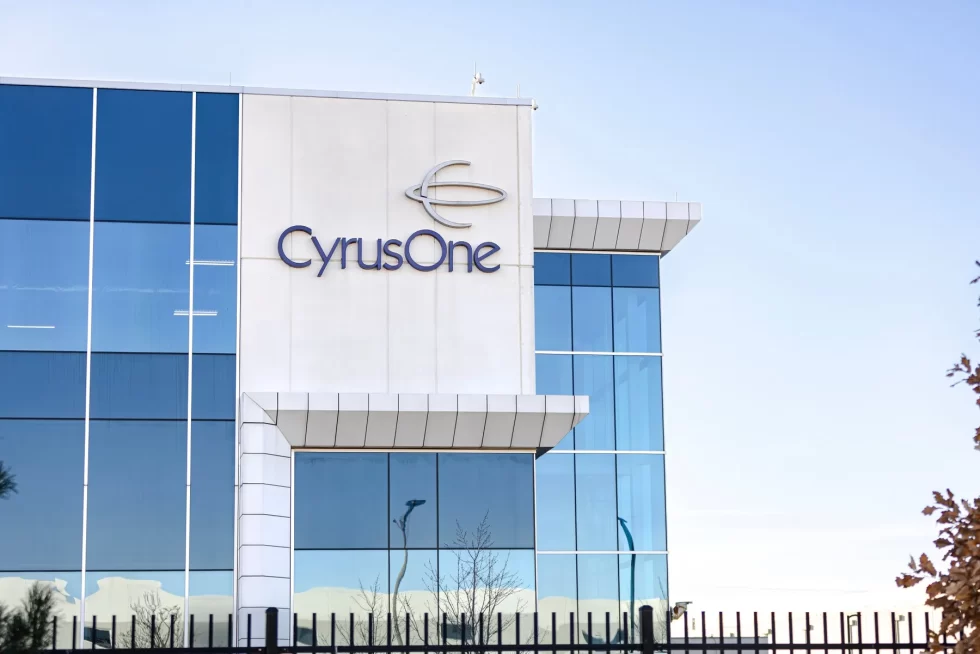
As demand for cloud services and artificial intelligence accelerates, data centers have become some of the most critical pieces of modern infrastructure. Yet a growing number of outages are exposing a less visible but increasingly serious challenge: keeping these facilities cool. When cooling systems fail or struggle under pressure, the consequences can ripple across digital services, disrupting everything from business operations to everyday online activity.
Recent outages linked to overheating have drawn attention to how vulnerable even highly engineered facilities can be when temperatures rise or systems are pushed beyond their limits. These incidents underline that cooling is no longer a background technical issue but a central concern for the future of data infrastructure.
Why Cooling Matters More Than Ever
Data centers generate enormous amounts of heat. Servers packed tightly together run continuously, processing vast volumes of data at high speeds. To prevent hardware damage and system failures, temperatures must be carefully controlled around the clock.
The challenge has intensified as computing workloads become more demanding. Artificial intelligence models, high performance computing, and real time data processing consume far more power than traditional applications. More power means more heat, increasing the strain on cooling systems that were often designed for earlier generations of technology.
Outages Expose System Limits
When cooling systems fail, even briefly, data centers can be forced to shut down servers automatically to prevent permanent damage. These shutdowns can lead to service interruptions affecting multiple customers at once. In some cases, a single cooling malfunction has triggered outages across entire regions.
Such incidents reveal that redundancy plans do not always account for extreme conditions. Heatwaves, power fluctuations, or equipment failures can overwhelm backup systems, especially when multiple stress factors occur simultaneously. As climate patterns become more unpredictable, these risks are expected to grow.
Climate Change Adds Pressure
Rising global temperatures are making data center cooling more complex and costly. Facilities located in regions that were once considered moderate are now experiencing longer and more intense heat periods. Traditional air based cooling becomes less efficient as outside temperatures climb, forcing operators to consume more energy to maintain safe conditions.
This creates a feedback loop. Higher energy use increases operational costs and places additional strain on power grids, which themselves may be under stress during heatwaves. In extreme cases, utilities may limit power availability, further complicating cooling efforts.
The Cost of Reliability
Cooling already represents a significant share of data center energy consumption. As operators invest in more robust systems, costs continue to rise. Advanced cooling technologies such as liquid cooling or immersion systems offer efficiency gains but require major upfront investment and operational expertise.
Smaller data centers and older facilities face particular challenges. Retrofitting existing infrastructure can be expensive and technically difficult, yet failing to do so increases the risk of outages. This divide is pushing the industry toward consolidation, as larger operators are better positioned to absorb these costs.
Innovation Under Pressure
In response, the industry is experimenting with new approaches. Liquid cooling systems circulate coolant directly around processors, removing heat more efficiently than air. Some facilities are being built in cooler climates or near renewable energy sources that can support energy intensive cooling needs.
Design changes are also emerging. New data centers are increasingly planned with cooling as a primary design constraint rather than an afterthought. However, scaling these innovations quickly enough to meet demand remains a challenge.
What This Means for the Digital Economy
Outages tied to cooling failures highlight how physical limitations can affect a digital world. As businesses and governments rely more heavily on data centers, expectations for reliability continue to rise. Even brief interruptions can carry financial, reputational, and operational consequences.
Keeping data centers cool is no longer just an engineering task but a strategic priority. As computing power grows and climate pressures intensify, the ability to manage heat effectively will play a decisive role in determining which operators can deliver resilient digital services in the years ahead.