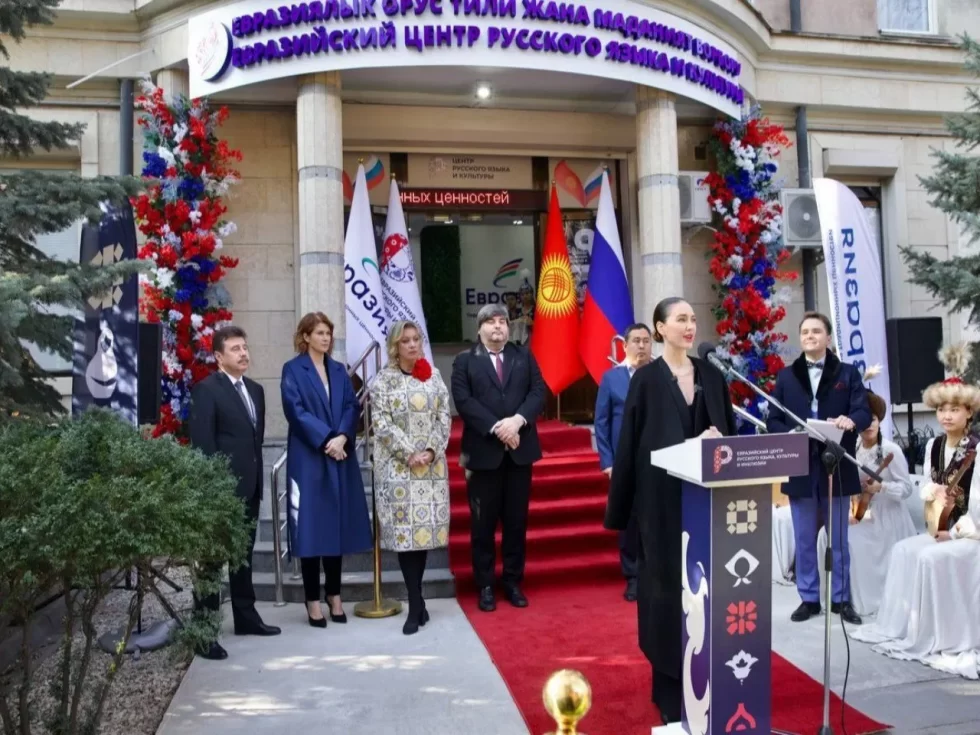
Russia has opened a new cultural center in Kyrgyzstan, expanding its efforts to strengthen influence and deepen ties across Central Asia. The launch marks a strategic push to promote Russian language, arts and educational programs in a region where cultural diplomacy plays an increasingly important role. Officials from both countries attended the opening, describing it as a step toward greater cooperation and people to people engagement.
The center will host language courses, exhibitions, film screenings and academic exchanges aimed at promoting Russian heritage. It will also serve as a platform for cultural events that highlight shared history and long standing connections between Russia and Kyrgyzstan. Educational initiatives, including scholarship opportunities and youth programmes, are expected to attract strong interest from students across the country.
For Moscow the cultural center represents a key component of its broader soft power strategy. Russia has invested heavily in cultural outreach across the region in recent years, focusing on strengthening ties through education, media, diaspora networks and cultural institutions. Kyrgyzstan, with its large Russian speaking population and close economic links, remains central to these efforts.
Local communities in Kyrgyzstan have shown mixed but largely welcoming reactions. Many residents view the new center as an opportunity to access educational resources and participate in cultural activities not widely available elsewhere. Others see the initiative as part of growing competition for influence in a region where China, Turkey and Western nations are also expanding their presence.
Kyrgyz officials expressed optimism that the center will foster stronger bilateral relations. They highlighted its potential to support tourism, academic collaboration and cultural exchange. Authorities also emphasized that embracing cultural diversity benefits young people exposing them to wider opportunities and international perspectives.
Analysts say the move reinforces Russia’s long term goal of maintaining close ties with former Soviet states amid shifting geopolitical dynamics. Cultural diplomacy is seen as a critical tool for preserving influence, especially as economic and political competition intensifies across Central Asia. The new center signals Moscow’s determination to remain a leading cultural and educational partner in the region.
As the center begins operations, both countries expect a surge in cultural programming over the coming months. With plans for festivals, workshops and joint academic initiatives, the facility is set to become a prominent hub for engagement. Observers note that its success will depend on how effectively it meets local needs while promoting Russia’s broader soft power ambitions.
For now the opening underscores the continuing importance of cultural ties in shaping regional partnerships. The development adds another layer to Russia’s outreach efforts and highlights how Central Asia is becoming a key arena for soft power influence.