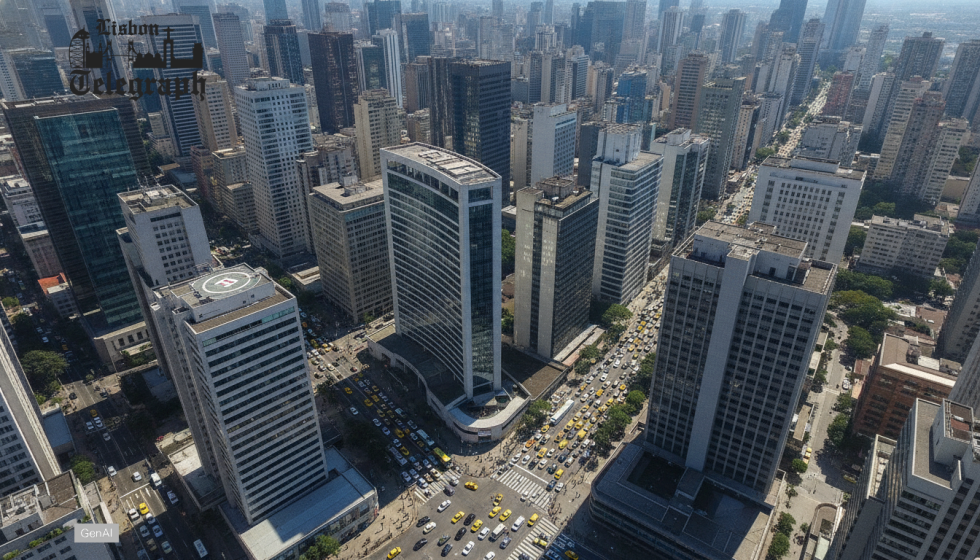
São Paulo stock market surge after election results
The São Paulo stock market moved sharply higher at the open after Brazil election results triggered a fast repricing of political risk, as reported some sources. Early coverage in Portuguese financial media reportedly cited a 7.88% opening jump for the benchmark index on the B3 exchange, capturing the sudden shift in trader positioning. Dealers described the move as broad-based rather than a single-sector squeeze, with banks and exporters participating as liquidity firmed, according to market commentary. Options activity also appeared to reflect the pivot, with hedging demand easing as buyers returned and spreads tightened, traders said. The São Paulo stock market quickly became the session’s reference point for sentiment, especially as intraday flows concentrated in liquid large caps rather than drifting across the tape.
How Flávio Bolsonaro proposals could affect equities
Trading desks and local commentators linked the first wave of buying to campaign talk about taxes and regulation, with coverage focusing on proposals associated with Flávio Bolsonaro, including reported tax-removal ideas in targeted areas. The market’s immediate interpretation was that lower effective taxation could lift expected earnings for domestically focused companies, and that possibility appeared to be priced rapidly into cyclicals, according to analysts’ notes and trader commentary. For context on how public messaging can amplify political narratives beyond policy specifics, readers can compare framing dynamics in Pope Leo XIV and Europe’s Christian Roots: A Call for Unity, even as strategists cautioned that timelines and legislative math still matter, and that any durable rerating would require clear drafting and coalition support, as analysts have emphasized in similar episodes.
Global backdrop: why the São Paulo stock market move stood out
Internationally, the rally in São Paulo equities stood out because it hit as other major markets were still balancing rate expectations, growth concerns, and currency risk, according to market strategists. Analysts watching cross-market correlations noted that Brazil is often filtered through commodities and FX, so desks monitored the US dollar for signs of pressure on foreign participation and hedging costs, they said. Energy was also treated as a useful yardstick for broader risk appetite, particularly when crude shifts reset equity positioning in Europe and beyond, as discussed in Brent Oil Prices Slide Shakes European Stocks, Inflation. Even with that macro context, the São Paulo stock market move was described traders as mostly idiosyncratic and election-driven, not simply a global beta chase.
Economic implications for Brazil beyond the opening spike
Economists following the move said they were focused less on the opening print and more on what a sustained rerating could do to funding costs and corporate investment plans. A durable equity rally can reopen the window for follow-on offerings and reduce the equity risk premium applied to expansion projects, especially for firms sensitive to domestic demand, as economists generally note. At the same time, analysts warned that tax-removal proposals, if advanced without compensating measures, could raise fiscal questions that bond investors might reprice quickly, potentially feeding back into equity volatility. Some market participants also tracked global institutional messaging on state capacity and partnerships in Canada urges stronger partnerships as global order faces rupture, while policy credibility on revenues and spending was repeatedly flagged as the key variable, according to market commentary.
What traders are watching next in the São Paulo stock market
Portfolio managers mapping the next few weeks argued the surge set a high bar for follow-through, because confirmation is needed via polling, coalition building, or explicit policy drafting, as indicated manager and desk commentary. They also stressed that sharp openings can fade when positioning becomes crowded, particularly if foreign flows reverse on currency moves or if global risk sentiment breaks. Still, several desks said the session reset expectations for cyclicals if reform narratives strengthen and earnings forecasts start to rise, keeping volatility elevated around speeches and committee statements. In that context, the São Paulo stock market is likely to remain a main barometer for whether political signals translate into investable policy. For now, traders treated the opening move as a strong signal, but not a final verdict.