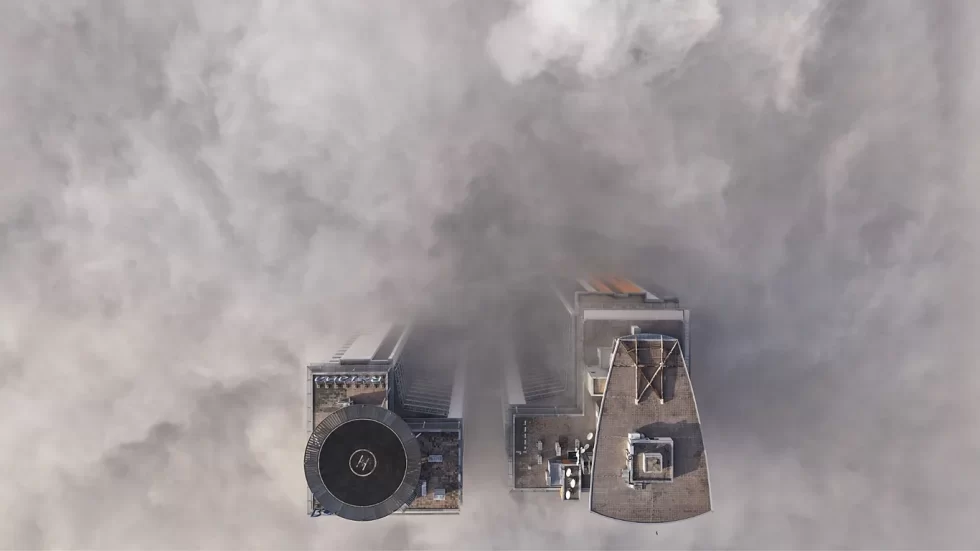
Sarajevo was brought to a near standstill on Thursday as dangerously high air pollution levels blanketed the Bosnian capital, prompting authorities to order children to remain indoors and suspend several flights. A dense layer of fog mixed with toxic pollutants settled over the city, sharply reducing visibility and raising serious public health concerns.
Schools were instructed to keep students inside throughout the day, with outdoor activities cancelled as a precaution. Local officials also ordered a temporary halt to outdoor construction work, citing the health risks posed prolonged exposure to polluted air. Residents were urged to limit time spent outside and take protective measures, particularly the elderly, children and those with respiratory conditions.
Sarajevo frequently ranks among the cities with the worst air quality in the world, especially during the winter months. Pollution levels typically spike when colder temperatures drive increased use of residential heating systems, many of which rely on coal or wood. Emissions from vehicles further add to the problem, creating a toxic mix that lingers over the city.
Geography plays a major role in worsening the situation. Sarajevo lies in a narrow valley surrounded mountains, a natural setting that can trap polluted air for days when there is little wind. This effect was particularly evident as the thick smog persisted through the morning, with no immediate signs of clearing. In recent years, extensive construction projects have also been blamed for contributing to higher levels of dust and airborne particles.
The pollution had immediate consequences for transport. Several flights departing from Sarajevo International Airport were cancelled due to poor visibility, disrupting travel plans for passengers. On the ground, traffic moved slowly as drivers struggled to see through the haze during the morning rush hour. Authorities reported no major accidents, but urged motorists to exercise caution.
Health concerns were visible across the city, with some residents choosing to wear face masks to reduce inhalation of toxic particles. Pharmacies reported increased demand for protective masks, while medical professionals warned that even short term exposure could aggravate asthma, heart disease and other chronic conditions.
Environmental groups have long called for stronger action to tackle Sarajevo’s air quality crisis, including cleaner heating solutions, stricter vehicle emissions standards and better urban planning. While temporary measures are often introduced during pollution peaks, critics argue that deeper structural reforms are needed to address the root causes.
Officials said the restrictions would remain in place until air quality improves, with conditions expected to depend largely on weather changes such as wind or rain. For many residents, the episode was a familiar reminder of the challenges Sarajevo faces each winter and the urgent need for long term solutions to protect public health.