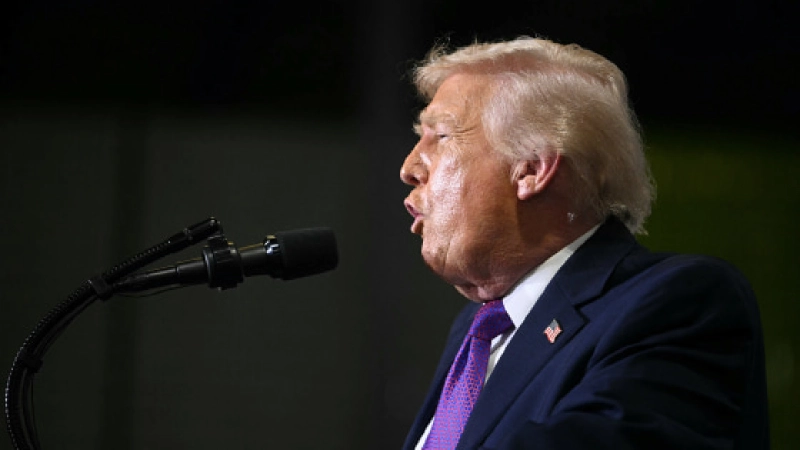
Donald Trump has sharply criticised European countries for refusing to support the United States in the ongoing Iran war, escalating tensions across the Atlantic as geopolitical divisions widen. His comments, delivered through social media, targeted key allies including the United Kingdom and France, accusing them of avoiding military involvement while still being affected rising energy costs. The remarks come at a time when global markets are already under pressure, with oil prices climbing and investors reacting to uncertainty linked to the expanding conflict.
The criticism follows a series of decisions European governments to distance themselves from direct participation in the conflict. France reportedly blocked Israeli aircraft from transporting weapons through its airspace, while Italy denied last minute requests for US bombers to land in Sicily. Spain has also restricted access to its military bases and airspace, reinforcing a broader European stance that has questioned the legality and strategic direction of the war. These moves highlight a growing divergence between US and European policy approaches.
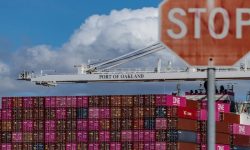
Trump’s remarks focused heavily on energy, urging European nations concerned about fuel shortages to secure their own oil supplies. His comments coincided with renewed volatility in global energy markets, as disruptions linked to the Strait of Hormuz continue to affect supply chains. The strategic waterway remains a critical route for a significant share of global oil shipments, and instability in the region has contributed to rising prices and increased pressure on energy dependent economies, particularly across Europe.
European leaders have responded cautiously but firmly, emphasizing national sovereignty and legal concerns surrounding the conflict. Spain’s defence officials have rejected external pressure, while the United Kingdom has faced criticism for allowing limited use of its bases despite describing the conflict as unlawful. The differing positions within Europe reflect a complex balancing act between alliance commitments and domestic political considerations, as governments navigate both security and economic risks.
The widening rift between the United States and Europe comes amid broader concerns about the global economic impact of the conflict. Rising oil prices, disrupted trade routes and heightened geopolitical risk are contributing to increased volatility across financial markets. As the situation evolves, the lack of unified Western support for the conflict is likely to remain a key factor shaping diplomatic relations and influencing market sentiment in the weeks ahead.