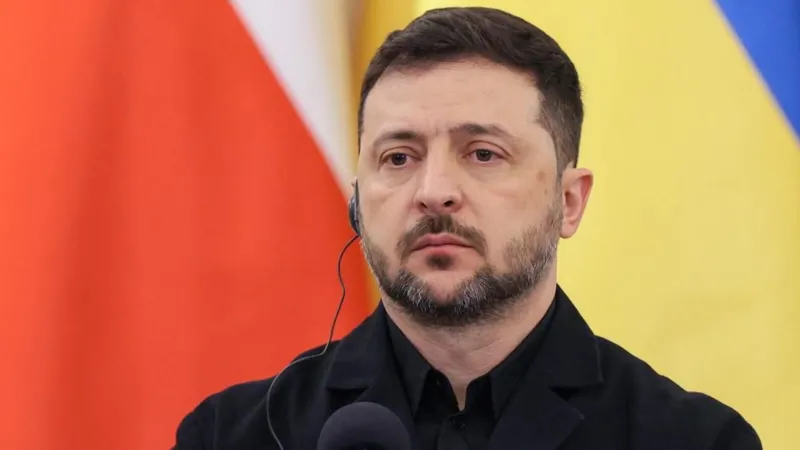
Ukraine has firmly denied Russian allegations that it carried out a drone attack on one of President Vladimir Putin’s official residences, accusing Moscow of using the claim to disrupt ongoing peace efforts. Ukrainian President Volodymyr Zelensky said the accusation was false and part of a broader attempt Russia to escalate tensions at a sensitive diplomatic moment.
The allegation was made Russian Foreign Minister Sergei Lavrov, who claimed that Ukrainian forces launched a large scale drone assault overnight on Sunday targeting a state residence used President Vladimir Putin. According to Lavrov, the attack involved 91 long range unmanned aerial vehicles and took place in Russia’s northwestern Novgorod region.
Ukrainian officials rejected the claim outright, saying Kyiv had no involvement in any attack on Russian territory and no interest in targeting presidential residences. Zelensky said Ukraine remains focused on defending itself and pursuing a just peace, arguing that Moscow was attempting to fabricate incidents to justify a harder stance in negotiations.
Russia said following the alleged attack that it would reassess its position in peace talks, raising concerns that diplomatic progress could stall. Analysts noted that similar accusations in the past have often been followed a tightening of Russia’s negotiating posture or renewed military rhetoric.
The Kremlin did not immediately provide independent evidence to support the claim, and details surrounding the alleged incident remain unclear. It is also not known whether Putin was present at the residence at the time of the reported drone activity. Russian authorities said air defences were activated and that no serious damage or casualties were reported.
Observers say the timing of the allegation is significant, coming as international pressure grows for renewed dialogue to end the war. Western diplomats have repeatedly warned that unverified claims and inflammatory statements risk derailing fragile diplomatic channels.
Ukraine has accused Russia of using information tactics to shape the narrative around the conflict, particularly when talks appear to gain momentum. Ukrainian officials argue that portraying Kyiv as escalating attacks inside Russia serves domestic political purposes and seeks to weaken international support for Ukraine.
Russia, meanwhile, has maintained that attacks on its territory represent a red line and has previously used similar claims to justify retaliatory measures. The lack of clarity surrounding this latest allegation has led some analysts to urge caution, noting the difficulty of independently verifying incidents involving drones and electronic warfare.
As the war continues, incidents like this highlight the deep mistrust between the two sides. Even as calls for negotiations persist, accusations and counter accusations continue to dominate the public discourse, complicating efforts to move toward a ceasefire.
For now, Ukraine insists it remains committed to diplomatic solutions and rejects any suggestion that it is seeking to provoke Moscow. Whether Russia’s response will lead to a pause or a setback in peace efforts remains uncertain, but the episode underscores how quickly fragile talks can be threatened contested claims.