After a year filled with dramatic discoveries and milestones, the pace of space exploration is set to continue into 2026 with a mix of scientific ambition and rare celestial spectacles. From renewed missions to the Moon to eclipses visible across parts of Europe and ongoing chances to see vivid auroras, the coming year promises to keep both scientists and skywatchers looking upward.
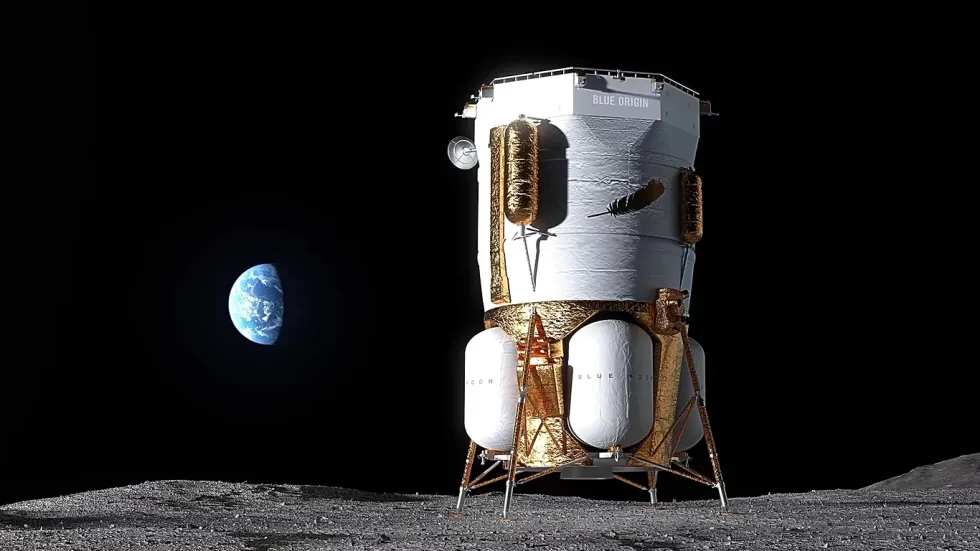
Interest in lunar exploration will intensify as several space agencies move forward with missions aimed at expanding humanity’s presence beyond low Earth orbit. More than fifty years after the Apollo era, the Moon is once again central to long term exploration plans. Crewed and uncrewed missions are scheduled to test spacecraft, navigation systems and life support technologies designed to pave the way for sustained lunar operations.
The United States, through NASA, is expected to continue preparations under its Artemis programme, which aims to return astronauts to lunar orbit and eventually the surface. These missions are seen as critical stepping stones toward deeper space exploration, including future journeys to Mars. Other countries are also advancing lunar ambitions, reflecting growing international competition and cooperation in space.
Beyond the Moon, 2026 will offer dramatic natural events visible from Earth. Several eclipses are expected to sweep across Europe, drawing attention from both astronomers and the general public. Depending on location, observers may experience partial or total solar eclipses, as well as lunar eclipses that turn the Moon a striking red. Such events are rare and highly anticipated, often sparking widespread interest in astronomy.
Aurora activity is also forecast to remain strong. Increased solar activity linked to the Sun’s current cycle means the Northern Lights could be visible further south than usual at times. Skywatchers across northern and central Europe may have repeated opportunities to see colourful displays dancing across the night sky, provided weather and light pollution conditions allow.
The year will also see a continued surge in satellite launches. Governments and private companies are planning record numbers of deployments, ranging from communications networks to Earth observation platforms. While these launches support everything from navigation to climate monitoring, they also raise concerns about congestion in orbit and the long term sustainability of space operations.
Meanwhile, astronomers will be watching for comets and other objects passing through the inner solar system. Occasional visitors from distant regions of space provide valuable clues about the early formation of planets and stars. Advances in telescope technology mean even brief appearances can yield significant scientific insights.
For researchers, 2026 represents a convergence of exploration and observation. Lunar missions will push technical boundaries, while celestial events offer reminders of the dynamic universe beyond Earth. Public engagement with space science is expected to grow as these developments capture headlines and social media attention.
As humanity prepares to return to the Moon and witnesses rare sights in the sky, the year ahead reflects a broader shift. Space is no longer the domain of a few historic missions but an active and evolving frontier. Whether through ambitious exploration plans or awe inspiring natural phenomena, 2026 is set to reinforce space’s place at the centre of global curiosity and scientific progress.