Across Europe, Christmas markets have evolved from simple seasonal traditions into powerful economic engines. For Zagreb, the festive season has become a strategic opportunity to reshape its tourism identity and reduce dependence on summer travel. positioning its Christmas market as one of the best in Europe, the Croatian capital is pursuing a long term plan to attract visitors throughout the year rather than only during peak holiday months.
Croatia is often associated with sun soaked beaches and Adriatic coastlines, images that dominate travel marketing during the summer. While this reputation has driven impressive visitor numbers, it has also created a seasonal imbalance that policymakers are increasingly keen to address.
Tourism’s Role in Croatia’s Economy
Tourism plays an outsized role in Croatia, accounting for more than one fifth of national economic output. Such reliance makes the sector highly sensitive to seasonal fluctuations, weather patterns, and global travel trends. Summer remains dominant, but it also places pressure on infrastructure, local communities, and the environment.
Winter tourism offers a way to spread economic activity more evenly across the calendar. Hotels, restaurants, retailers, and transport services benefit from steadier demand, while employment becomes more stable. Christmas markets, with their combination of food, culture, and entertainment, provide a proven model for drawing international visitors during colder months.
Zagreb’s Christmas Strategy
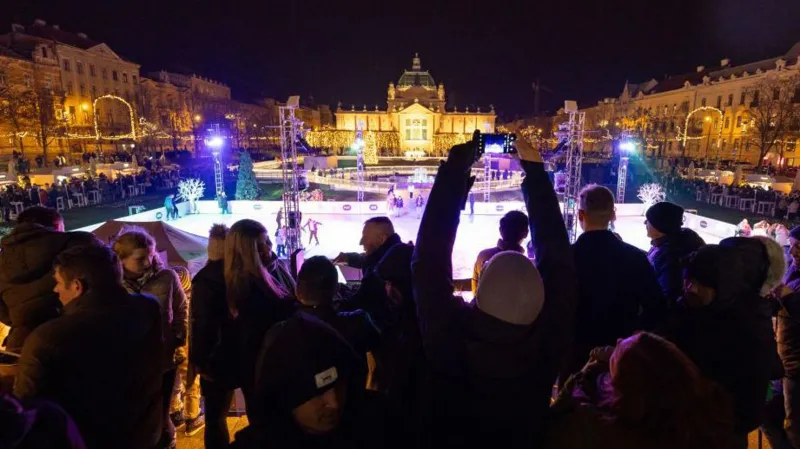
Zagreb’s festive market, widely branded as Advent in Zagreb, has been carefully curated to appeal to both domestic and foreign tourists. The city center transforms into a network of decorated squares, illuminated streets, and pop up stalls selling local food, crafts, and seasonal drinks. Cultural programming, including concerts and performances, adds depth beyond shopping alone.
This approach allows Zagreb to showcase its history and urban charm in a different light from the summer narrative associated with coastal destinations. Visitors experience a city oriented around walkability, heritage, and communal celebration, reinforcing Zagreb’s image as a cultural capital rather than merely a transit point.
Government Vision for Year Round Tourism
According to Tonci Glavina, Croatia is undergoing a deliberate transformation in how it presents itself to the world. The aim is to move away from a narrow focus on sun and sea and toward a diversified tourism offering that spans all seasons and regions.
Winter festivals, city breaks, gastronomy, and cultural tourism are central to this vision. Zagreb’s Christmas market plays a symbolic role, demonstrating that Croatia can compete with long established European winter destinations. The success of the capital also creates a blueprint for other cities and inland regions to develop their own off season attractions.
Economic and Cultural Impact
The economic benefits of a successful Christmas market extend well beyond ticket sales or hotel bookings. Small businesses gain international exposure, local producers find new customers, and the city strengthens its brand visibility across Europe. Repeat visits often follow, with winter tourists returning in spring or autumn to explore other parts of the country.
Culturally, the market reinforces local traditions while adapting them for a global audience. This balance helps preserve authenticity while still meeting the expectations of international travelers. For Zagreb, this fusion of heritage and modern tourism strategy is essential to standing out in an increasingly competitive European market.
Looking Beyond the Festive Season
Zagreb’s ambition to host Europe’s best Christmas market is not an isolated campaign but part of a broader repositioning of Croatian tourism. investing in winter experiences, the city signals that Croatia is no longer defined a single season.
As climate concerns, overtourism, and traveler preferences evolve, destinations that offer year round appeal are better placed to remain resilient. Zagreb’s festive transformation shows how a well designed seasonal event can support long term economic stability while reshaping how a country is perceived on the global tourism map.