Introduction
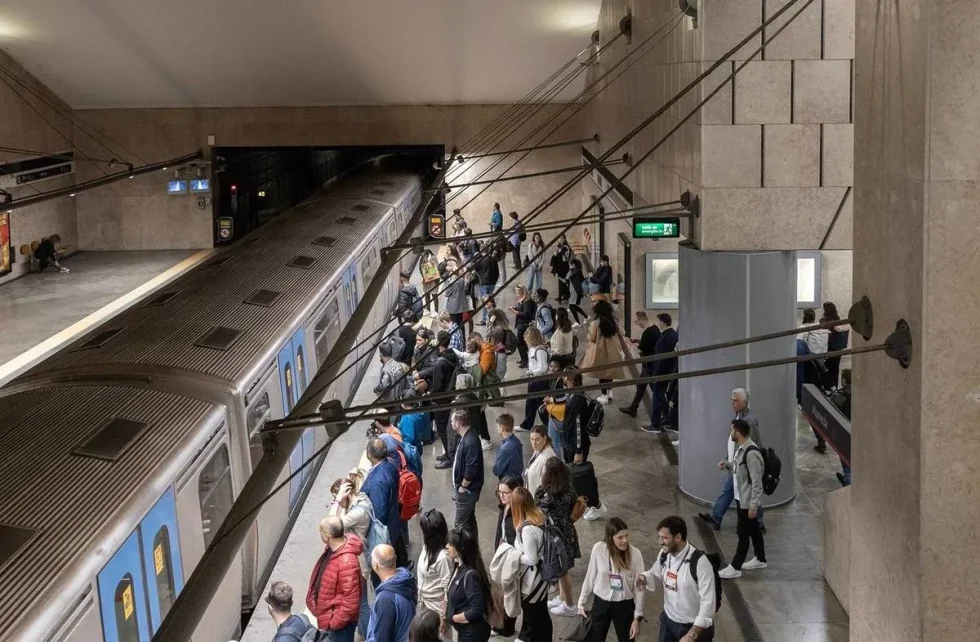
The Lisbon metro is once again in the spotlight after officials attempted to justify service delays using a series of inflation charts. At a press conference meant to address mounting complaints, transportation executives projected graphs showing rising costs for fuel, electricity, and imported spare parts. Instead of clarity, the explanation drew frustration from weary commuters who insist that no chart can make up for missing trains, packed carriages, and unpredictable schedules. The spectacle left passengers shaking their heads as policymakers continued to treat economic data as a substitute for solutions.
The official explanation
Metro administrators framed the delays as a direct result of global inflationary pressures. They displayed colorful slides comparing the price of electricity in 2020 with that of 2024, highlighting dramatic increases. Another chart illustrated the rising cost of imported maintenance equipment. The officials argued that these higher expenses have constrained the system’s capacity to expand services and hire additional staff. According to their logic, every delayed train is not simply a failure of planning but a reflection of global market instability.
The presentation was delivered with the solemnity of an economics lecture, complete with footnotes referencing European Central Bank data. Passengers, however, were unconvinced. Many wondered aloud why a subway system needs to explain train delays with the same tools used in bond markets.
Commuter reaction
The response from the public was swift and sarcastic. On social media, commuters began sharing their own mock charts. One widely circulated post showed a graph where the y-axis represented train delays and the x-axis represented excuses. The line shot upward dramatically. Another meme depicted a stick figure holding a chart and saying “this explains why your train is still not here.”
At stations, riders expressed little sympathy. A university student waiting at Alameda station remarked that she did not care about global inflation when she was already late to class three times that week. An office worker joked that perhaps his boss should accept inflation graphs as an excuse for tardiness. The general mood suggested that commuters want punctual trains, not macroeconomic lessons.
The political backdrop
Housing and wages have dominated headlines in Portugal, but public transportation remains a constant source of discontent. The metro system is often held up as a symbol of urban frustration. With population growth, rising tourism, and a shift toward sustainable commuting, the system has faced demand it cannot meet. Successive governments have promised improvements, but expansion projects remain slow.
invoking inflation, officials shifted blame to global forces outside their control. Yet critics argue this is a tactic to avoid addressing chronic underinvestment. They point out that maintenance issues and staff shortages predate the inflation spike. For them, the charts are little more than a distraction from years of policy neglect.
A satire of communication
Observers noted that the spectacle illustrates how modern institutions increasingly use economic jargon to avoid direct accountability. Presenting charts in response to everyday frustrations highlights the gap between policymakers and ordinary citizens. The message commuters heard was not that improvements are coming, but that they should study financial graphs to understand why they will continue to suffer delays.
The episode has already inspired late-night comedians and online satirists. One sketch imagined commuters standing on a platform while officials project a slideshow onto the tunnel walls instead of sending a train. Another parodied a conductor handing out PowerPoint slides to passengers as compensation for being stranded.
Broader implications
The reliance on charts also reflects a deeper cultural trend. Data-driven explanations dominate policymaking in the European Union, often at the expense of straightforward communication. Citizens are told that inflation, deficits, or interest rates justify every inconvenience. For many, this bureaucratic language feels detached from daily struggles.
In Lisbon, the effect is magnified the visible gap between official rhetoric and lived reality. Rising costs are real, but they do not explain why escalators remain broken or why certain lines shut down with little warning. Commuters see data as an excuse rather than a promise of reform.
Analysis of the crisis
Experts note that transportation systems across Europe face similar pressures. Inflation affects wages, parts, and energy, making public services more expensive to maintain. However, they caution that pointing to inflation alone is misleading. Infrastructure requires long-term investment strategies, not reactive explanations. If Lisbon relies solely on global economics to justify failures, the system risks further erosion of public trust.
Meanwhile, the popularity of memes about the metro shows how cultural discourse shifts when official communication falters. Citizens now interpret transportation failures through humor and satire rather than policy debate. This may generate laughs, but it also reveals an undercurrent of disillusionment with governance.
Conclusion
The Lisbon metro’s attempt to explain delays with inflation charts may have been designed as transparency, but it landed as parody. Commuters remain unimpressed, continuing to face crowded platforms and late arrivals while politicians project graphs that provide no immediate relief. The episode underscores the growing disconnect between officials who speak in the language of macroeconomics and citizens who demand functional services.
In the end, Lisbon riders do not want a lecture on inflation trends. They want trains that arrive on time, escalators that work, and a metro system that keeps up with a modern European capital. Until that happens, the only charts passengers will care about are the ones on their phone screens counting how many minutes they are already late.