Introduction
Portugal’s government has unveiled a new housing initiative that has left citizens laughing, crying, and frantically buying lottery tickets. In response to skyrocketing rents and a shrinking supply of affordable apartments, officials introduced the National Housing Lottery. Winners of this program will be entitled to one balcony, three roommates, and the chance to call themselves lucky. While authorities insist it is a serious attempt to tackle the housing crisis, critics argue it resembles a national game show more than public policy.
How the housing lottery works
Under the program, applicants submit a small fee to enter a monthly draw. Winners are granted a heavily discounted lease in Lisbon or Porto apartments where the highlight is a balcony and the reality includes three randomly assigned roommates. Each unit comes furnished with mismatched chairs, squeaky doors, and the occasional mystery stain, adding what officials described as authentic Portuguese charm.
The Ministry of Housing defended the program claiming it is better to offer shared living spaces than allow apartments to sit empty or be taken entirely foreign investors. Officials compared it to social housing with a gamified twist, designed to generate excitement around a market that has become increasingly inaccessible for young people.
Public reaction
The announcement has divided public opinion. Young professionals and students flooded social media with memes celebrating the idea of finally having a balcony to themselves, even if it meant living with three strangers. One viral post showed a cartoon character shouting, “At least I got sunlight,” while another joked that finding compatible roommates would be harder than winning the lottery itself.
On the other hand, advocacy groups accused the government of mocking citizens treating housing insecurity as a raffle. They argue that the state should be constructing affordable homes rather than turning basic shelter into a prize. Protesters gathered in Lisbon holding banners that read “Housing is a right not a jackpot.”
Economic backdrop
Portugal’s housing market has been in crisis for years, fueled a combination of limited construction, short term rentals, and foreign demand under programs such as the Golden Visa. Rents in Lisbon and Porto have soared well beyond local salaries, forcing young people into extended stays with parents or overcrowded flats.
The lottery program is framed officials as a temporary bridge solution. Yet experts argue it reflects a failure to address structural problems. With supply far below demand, they warn that whimsical fixes cannot resolve the root causes of the crisis.
Why the balcony matters
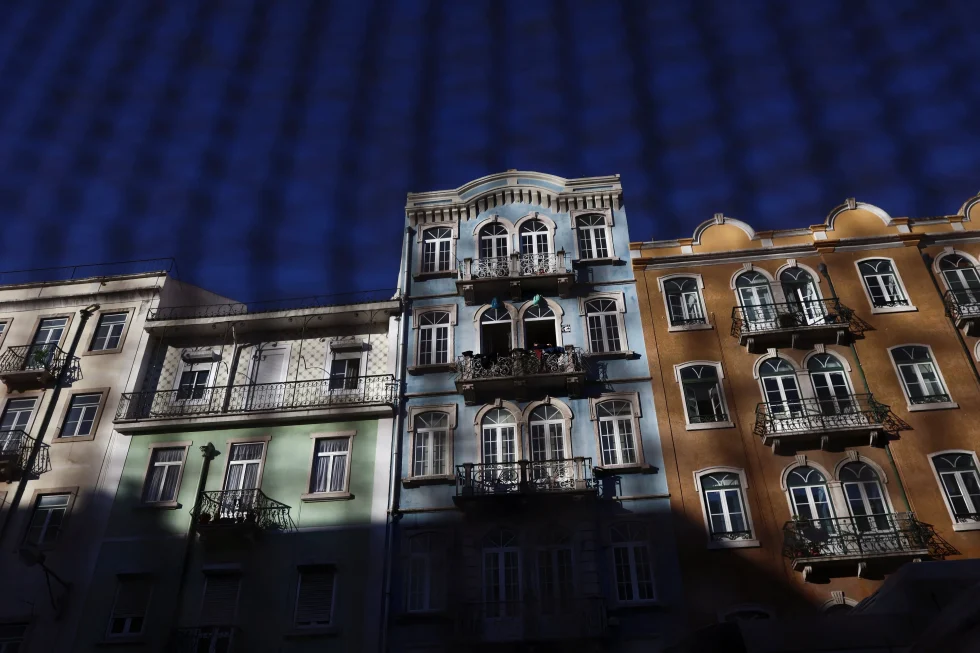
The government’s emphasis on the balcony as the crown jewel of the lottery has also drawn attention. Officials claimed that access to outdoor space represents both a psychological benefit and a symbol of fairness. In a market where even a window can drive up rent, a balcony has become a luxury feature.
Social media quickly turned the balcony into a cultural meme. Users photoshopped tiny balconies attached to bunk beds, closets, and even metro cars. The joke spread further when one lottery winner described their prize as “a balcony where four roommates take turns breathing fresh air.”
Criticism of roommate assignments
Perhaps the most controversial element is the mandatory assignment of three roommates. Housing officials argue that communal living reduces loneliness, divides expenses, and fosters community spirit. Critics, however, say it reflects desperation rather than innovation. Random roommate assignments risk clashes in lifestyles, hygiene habits, and schedules.
Some residents compared it to reality TV shows where contestants are forced to coexist under bizarre conditions. “At least Big Brother had cameras,” joked one activist, “here we just have leaky pipes.”
Analysis of the policy
Supporters of the lottery highlight its symbolic value. turning housing into a game, they argue the government is finally acknowledging the absurdity of the market itself. Rather than pretending the crisis is under control, the program embraces satire as policy. Officials hope that raising awareness through spectacle, they can pressure municipalities to adopt stronger reforms.
However, economists caution that lotteries rarely solve systemic shortages. A few lucky winners will enjoy subsidized apartments, but thousands remain priced out. Without increased construction, rent control mechanisms, or restrictions on speculative investment, the program risks being nothing more than a distraction.
Impact on youth and culture
For Portugal’s youth, the lottery has quickly become a cultural event. Universities are considering creating student groups dedicated to preparing lottery applications. Cafés in Lisbon advertise special discounts for customers who show proof of participation. Entire meme boards are now dedicated to sharing strategies for surviving life with three randomly assigned roommates.
One sociology professor suggested that the housing lottery might inadvertently shape Portugal’s next generation of artists, musicians, and writers. “Nothing inspires creativity like living in cramped conditions with strangers,” he remarked. “Some of the country’s greatest cultural works may be born on these balconies.”
Conclusion
The launch of Portugal’s housing lottery underscores the surreal nature of the country’s property crisis. offering a balcony and three roommates as a prize, the government has combined satire and desperation in equal measure. While it may provide temporary relief for a handful of lucky winners, the policy highlights deeper systemic issues that remain unresolved.
For now, citizens find themselves torn between outrage and laughter, unsure whether to protest or buy tickets. Whether seen as a bold experiment or a cruel joke, the lottery has succeeded in making one thing clear: in Portugal’s housing market, reality already feels like satire.