Ten years after the historic Paris Agreement, the world remains locked in a battle against rising global temperatures. While emissions continue to grow, there are also real signs of progress that show climate action is working, even if not fast enough.
When world leaders gathered in Paris in 2015, emotion filled the room as nearly 200 nations signed a landmark deal to limit global warming to “well below” 2 degrees Celsius, and ideally to 1.5 degrees. That threshold was set as a vital line of defense against the most devastating and irreversible effects of climate change. The moment marked a turning point, a recognition that climate change demanded collective, coordinated global action.
Today, the picture is mixed. The United Nations has warned that temporarily overshooting 1.5 degrees is now almost certain, with consequences that could be catastrophic. Rising seas, melting glaciers, and record heat waves threaten millions. Yet, the last decade has also seen a revolution in renewable energy, electric vehicles, and environmental awareness that few could have imagined in 2015.
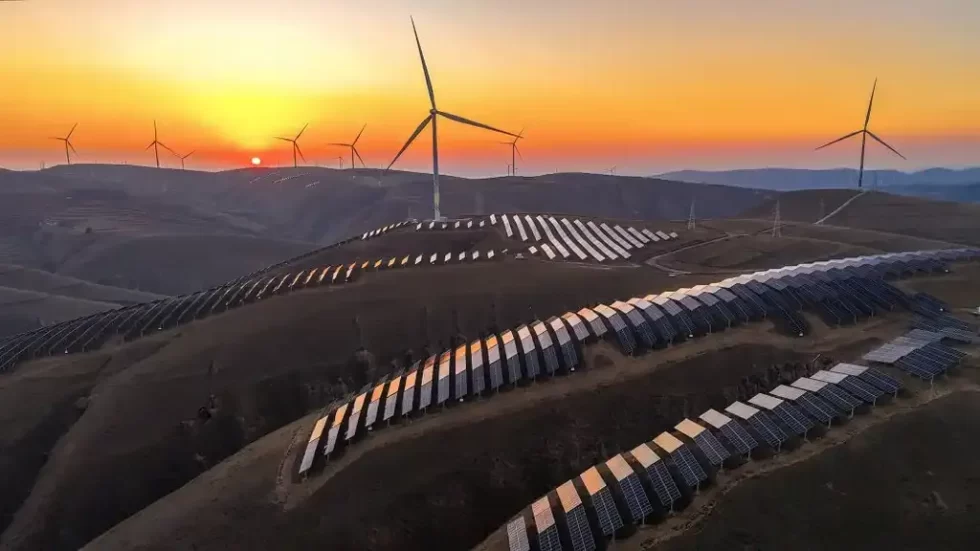
Since the Paris Agreement, solar and wind energy have grown at an unprecedented pace. In 2015, renewable energy made up only a small share of global electricity generation; today, it accounts for more than a third. Solar panels have become cheaper and more efficient, while wind farms, both onshore and offshore, are supplying clean power to entire cities. Electric vehicles (EVs), once a niche market, are now mainstream, with global sales surpassing 14 million in 2024, and countries from Norway to China leading the charge toward phasing out fossil-fuel cars.
These successes are not accidental. The Paris Agreement created a framework where nations submit and update Nationally Determined Contributions (NDCs) plans outlining how each will cut emissions and adapt to a changing climate. This system, while imperfect, has pressured governments to act and enabled collaboration across borders.
“Without Paris, we would be heading toward a catastrophic 4 or 5 degrees of warming,” said a UN climate analyst. “Now, current policies put us closer to 2.5 to 2.7 degrees. It is still too high, but it shows that global action can shift the trajectory.”
There have also been advances in climate finance. Although still far below what is needed, investments in clean energy and adaptation projects have grown sharply. Developing nations, particularly in Africa and Asia, are now hosting some of the largest renewable energy farms in the world. The global business community, too, is adapting, with thousands of companies committing to net-zero goals and adopting sustainable practices that were rare a decade ago.
Still, the pace of change remains painfully slow. Fossil fuels continue to dominate global energy supply, and political resistance in some nations has stalled climate legislation. The past ten years have also been the hottest on record, with 2024 marking the peak of this trend. Devastating floods, deadly heatwaves, and massive wildfires have become regular news headlines, showing how urgent the crisis has become.
Scientists stress that the next decade will determine whether the world can avoid the worst consequences of climate change. That means accelerating the transition away from coal, oil, and gas, protecting forests, and investing in adaptation for communities already suffering from extreme weather.
The Paris Agreement, despite its flaws, remains the foundation of global climate cooperation. It set clear goals, mobilized international finance, and spurred innovation in clean technology. As one climate negotiator said, “Paris was never meant to be the finish line it was the starting point.”
A decade later, the world faces a choice: continue on a path of slow progress or move decisively toward a sustainable future. The tools exist, the technology is ready, and the urgency has never been clearer.