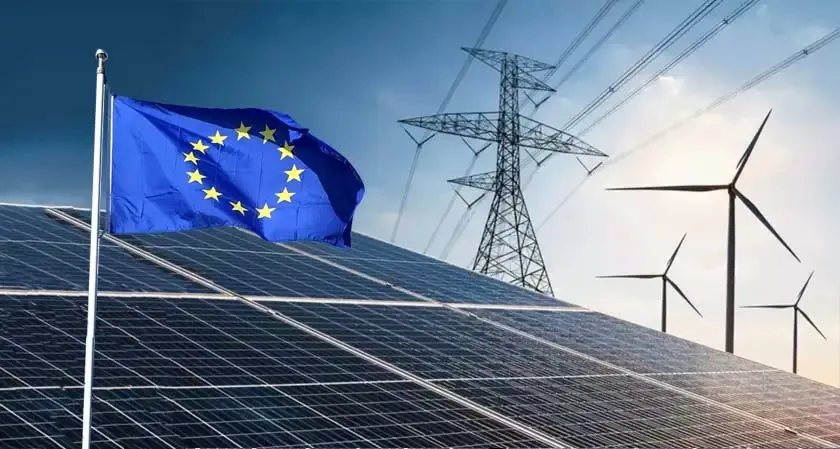
Portugal has emerged as one of the most ambitious and forward leaning countries in Europe’s clean energy transition. As the European Union pushes toward climate neutrality, Portugal’s strong renewable energy profile, strategic geographic location and long term policy commitment place it at the center of the EU’s broader roadmap. With major investments in solar, wind, hydrogen and grid modernization, Portugal is not only meeting EU targets but often surpassing them. Its experience, innovation capacity and natural resources make the country a key contributor to Europe’s long term sustainability strategy and a model for how smaller nations can play oversized roles in global energy transformation.
Portugal’s Early Adoption of Renewables Strengthens Its Position in the EU Strategy
Portugal began investing in renewable energy long before many European neighbors, giving it a strong foundation for current EU climate goals. The country dramatically reduced its reliance on fossil fuels prioritizing wind and hydroelectric power in the early 2000s. Today, solar power is expanding rapidly, supported abundant sunlight and competitive energy auctions that attract global investors.
This early start allows Portugal to contribute valuable expertise to EU level planning, especially in integrating large amounts of variable renewable energy into national grids. Portugal’s ability to operate for extended periods using only renewable power demonstrates what is possible when long term policy alignment and technological readiness come together. The EU benefits from Portugal’s leadership as it pushes all member states toward a more resilient and sustainable energy system.
Expansion of Solar, Wind and Green Hydrogen Makes Portugal a Key Energy Producer
Portugal’s natural conditions support large scale renewable production across multiple sectors. Solar farms continue to spread throughout Alentejo and the southern interior, where some of Europe’s most competitive solar energy projects are located. Offshore wind is also advancing as Portugal prepares for new marine energy zones with strong Atlantic wind capacity.
Green hydrogen is becoming one of the country’s flagship initiatives within the EU roadmap. Portugal’s hydrogen valleys, industrial partnerships and export oriented projects position the country as a potential supplier of renewable hydrogen to Europe’s energy hungry manufacturing centers. This aligns perfectly with the EU’s vision of a green hydrogen network that reduces dependence on imported fossil fuels.
expanding these energy sources, Portugal not only meets its own climate goals but contributes to the EU’s broader need for clean and scalable energy production.
EU Funding and Policy Coordination Support Portugal’s Energy Transition
Portugal benefits significantly from EU funding tools such as the Recovery and Resilience Facility, the Innovation Fund and the Connecting Europe Facility. These financial programs help accelerate investments that might otherwise face long timelines or high risk.
EU wide coordination also supports:
- Grid upgrades to strengthen cross border energy flows
- Research and innovation networks focused on clean energy
- Strategic partnerships for hydrogen development
- Integration of smart technology into national energy systems
These collaborations ensure Portugal’s renewable projects feed into the EU’s continental scale strategy rather than operate in isolation. As Europe aims to build an interconnected clean energy ecosystem, Portugal’s role becomes increasingly important for regional energy security and stability.
Modernizing the Grid and Storage Systems to Strengthen EU Energy Reliability
As renewable output increases, both Portugal and the EU recognize the need for smarter grids capable of handling variable production. Investments in energy storage, digital monitoring and real time grid management are essential to ensure stability.
Portugal is actively developing battery storage facilities, pumped hydro storage projects and smart grid tools that improve efficiency and demand management. These systems are critical contributions to the EU roadmap, which prioritizes flexibility, transparency and renewable integration across borders.
Portugal’s ability to modernize its grid also supports EU ambitions for stronger interconnections, allowing member states to share surplus renewable power during peak production seasons.
Conclusion
Portugal plays an influential role in the EU renewable energy roadmap through its early adoption of clean technologies, large scale investment in solar and wind, pioneering work in green hydrogen and active participation in EU wide energy cooperation. The country’s natural resources, innovation mindset and long term policy commitments position it as a model for sustainable transformation. As Europe accelerates its push toward climate neutrality, Portugal’s renewable energy leadership contributes not only to national progress but also to the broader stability, security and resilience of the EU’s future energy system.