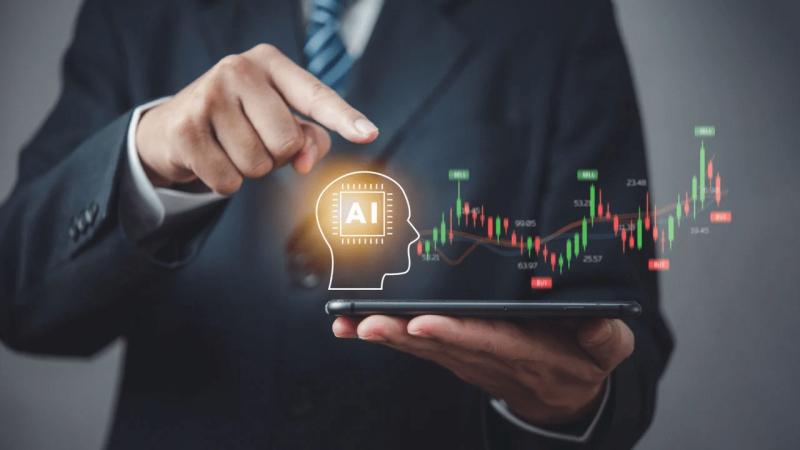
A new AI system has captured international attention after claiming it can predict financial chaos based entirely on global shoe trends. Developed a research collective with a fondness for experimental data models, the AI reportedly analyzes everything from sneaker resale spikes to the sudden popularity of chunky loafers. According to its creators, footwear choices reveal deeper economic signals than most investors care to admit. While this sounds unconventional, the digital community quickly embraced the idea as a perfect combination of fashion, financial anxiety, and meme ready content.
The revelation sparked widespread amusement, especially among younger audiences who already believe that vibes and randomness have more influence on the economy than traditional indicators. With inflation memes already dominating online spaces, the AI’s shoe analysis feels like a natural next step in the evolution of internet financial discourse. Investors, however, appear divided. Some welcome any alternative to confusing market charts, while others feel uneasy relying on a model that treats platform sandals as if they were stock tickers.
Fashion as the new financial forecasting tool
The central claim of the AI model is simple. When people shift dramatically toward certain styles of shoes, it reflects emotional and economic trends that traditional analysts fail to capture. For example, a sudden increase in sales of comfort driven footwear supposedly indicates rising collective anxiety, while a boost in high fashion sneaker purchases signals overconfidence in the market. According to early reports, the AI even flagged an emerging trend involving mismatched socks paired with minimalist sneakers as a warning sign of upcoming instability.
Although economists initially dismissed the idea as a novelty, the AI’s predictions oddly aligned with several recent market fluctuations. This coincidence caused some financial watchers to pay closer attention. The developers insist their model uses extensive datasets, pulling from fashion blogs, retail sales numbers, and even street style photos scraped from social platforms. Whether the AI is uncovering genuine patterns or simply creating chaos remains unclear, but the public fascination continues to grow.
Tech experts question the model’s sanity
As the story spread, tech experts began analyzing the AI to determine whether its predictions were logical or simply amusing. Many concluded that the model relies heavily on correlations that would make traditional data scientists nervous. Some pointed out that connecting global market health to the rise of pastel colored sneakers might be an overly creative interpretation. Others argued that unconventional data can sometimes reveal overlooked patterns, even if the reasoning appears humorous.
Still, questions remain about how the AI weighs cultural shifts. The model considers the resurgence of vintage boots as a sign of looming economic caution, which sparked debates across social platforms. Critics argue that fashion cycles are driven more influencers than financial tension. Meanwhile, fans of the AI claim this proves exactly why the model works, since influencers themselves often reflect underlying societal moods without realizing it.
Online communities embrace the chaos
The digital public found endless entertainment in the AI’s predictions. Memes appeared within hours, featuring traders analyzing shoes instead of charts and mock presentations explaining how colorful slides could trigger a trading frenzy. Lisbon’s Gen Z community especially enjoyed the idea, treating it as a satirical reflection of how unpredictable modern finance feels. Many joked that shoe designers now hold more economic influence than major banks.
Users on social platforms began testing the AI uploading photos of their own footwear, asking whether their shoes signaled stability or disaster. Some creators filmed comedic skits portraying investors frantically inspecting sneaker collections for clues. The AI’s most recent prediction, involving a rise in decorative shoelaces and a potential mild recession, quickly became a running joke. For many people, the absurdity of the model felt more relatable than actual economic forecasts.
Investors adopt the trend cautiously
Despite the memes, some investors admitted they were intrigued the AI’s approach. A few hedge fund analysts claimed they were testing the model unofficially, though they refused to reveal whether shoe based predictions affected any real decisions. Others warned that relying too heavily on fashion trends could distract from genuine financial indicators. Nevertheless, the mere possibility that footwear could influence market behavior encouraged ongoing debate.
Brands also took notice. Retailers saw an opportunity to market shoes as both style choices and economic statements. Some companies began releasing tongue in cheek ads suggesting that upgrading sneakers might support global stability. The playful interaction between fashion and finance created a new niche in the online conversation, where entertainment and economic speculation blended seamlessly.
Conclusion
The AI forecasting financial chaos through shoe trends highlights just how flexible and unpredictable modern tech culture has become. Whether the model proves meaningful or remains a humorous experiment, it successfully captures the spirit of a world where innovation, fashion, and financial uncertainty collide in unexpected ways.