For decades the value of real estate in Portugal was shaped familiar criteria such as location demand pricing and long term appreciation potential. While these elements still matter energy has rapidly emerged as a decisive factor influencing how properties are priced marketed and perceived. Rising energy costs climate concerns and new regulations are reshaping buyer priorities and redefining what makes a home truly valuable in today’s market.
Rising Energy Costs Change Buyer Behavior
Energy prices have become a central concern for households across Europe and Portugal is no exception. Higher electricity and gas bills have pushed buyers to look beyond surface level features and focus on how efficiently a home consumes energy. Properties with poor insulation outdated heating systems or weak energy ratings are increasingly seen as liabilities rather than opportunities. Buyers now factor long term operating costs into purchasing decisions which directly affects how much they are willing to pay.
Energy Efficiency Drives Property Value
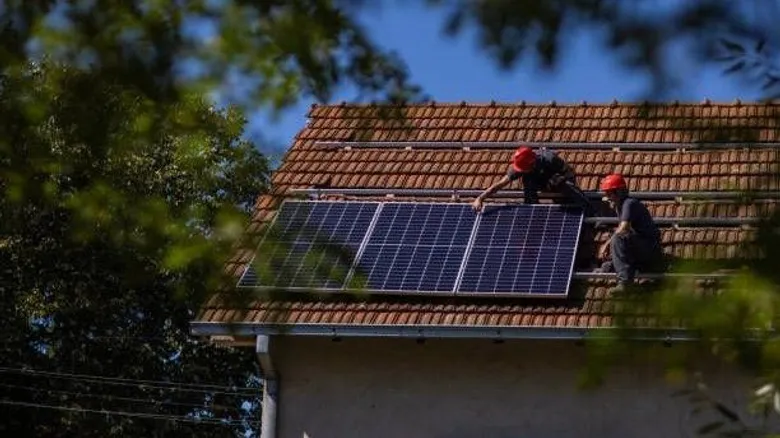
Homes with strong energy performance certificates are gaining a clear advantage. Efficient insulation modern windows heat pumps and solar panels are no longer considered optional upgrades but value enhancing features. Properties with higher energy ratings tend to sell faster and command premium prices compared to similar homes with weaker efficiency levels. In a competitive market energy performance has become a differentiating factor that can tip buying decisions.
Regulation and European Policy Influence the Market
Energy is also changing real estate values through regulation. European climate targets and efficiency standards increasingly influence national housing policies. Portugal aligns with broader EU objectives aimed at reducing emissions and improving building efficiency. Buyers and investors are aware that stricter standards are likely in the future making inefficient buildings riskier assets. Anticipation of future renovation requirements affects pricing today as buyers discount properties that may require costly upgrades.
Renovation Becomes a Strategic Investment
As energy efficiency gains importance renovation strategies are evolving. Property owners and investors increasingly focus on energy related improvements rather than purely aesthetic upgrades. Installing solar panels improving insulation or replacing inefficient heating systems often delivers better returns than cosmetic changes alone. These upgrades not only reduce energy costs but also improve marketability and long term resale value.
Impact on Urban and Rural Properties
Energy considerations are influencing both city and countryside real estate. In urban areas apartment buyers are more sensitive to building efficiency shared heating systems and insulation quality. In rural or inland regions energy self sufficiency through solar power biomass or heat pumps has become a major selling point. Homes that can operate with lower dependence on external energy sources appeal strongly to buyers seeking cost stability and sustainability.
Investors Reassess Risk and Returns
Real estate investors are also adjusting strategies as energy reshapes valuation models. Rental demand increasingly favors energy efficient properties as tenants seek predictable monthly expenses. Inefficient properties face higher vacancy risk or downward pressure on rents. Investors now evaluate energy performance as part of risk management alongside location and yield projections.
Energy and Sustainability Shape Future Demand
Beyond costs energy connects real estate to broader sustainability values. Buyers especially younger generations increasingly view efficient homes as responsible choices aligned with environmental awareness. This cultural shift reinforces the financial logic behind energy focused property decisions. Homes that align with sustainability trends are better positioned to retain value over time.
A New Layer in Property Valuation
Energy has added a new layer to real estate valuation in Portugal rather than replacing traditional factors. Location and demand still matter but energy efficiency now influences how those factors translate into price. As regulation tightens costs remain volatile and sustainability expectations grow energy will continue to redefine what buyers see as a valuable home.
Portugal’s property market is adapting to this reality. Homes that respond to energy challenges are becoming more resilient assets while those that ignore them risk falling behind in an increasingly efficiency driven market.