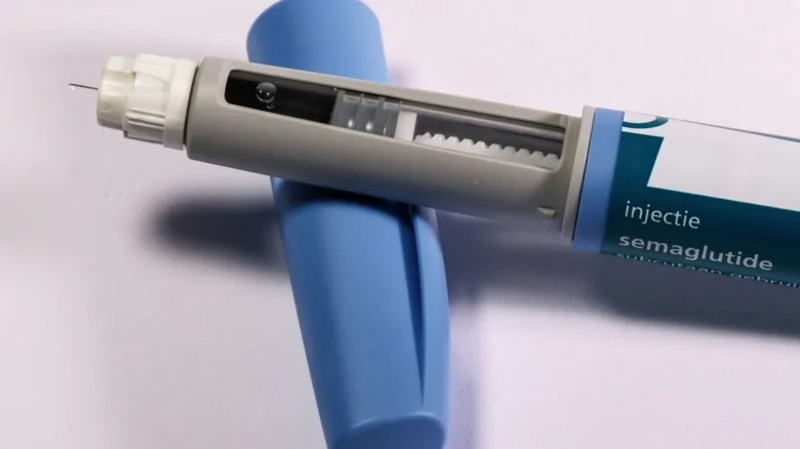
Portugal recorded a dramatic rise in the sale of medications designed to treat obesity during 2025, reflecting a sharp increase in demand for new pharmaceutical treatments that help patients manage weight and related health conditions. Pharmacy sector data shows that more than half a million packages of obesity related medication were sold last year, marking a significant jump compared with previous years.
According to figures from the National Association of Pharmacies, sales reached 572256 packages in 2025. This represents a nearly fivefold increase compared with 2024, when approximately 119588 packages were sold. The surge highlights the growing role of modern pharmaceutical treatments in addressing obesity, a condition increasingly recognized as a major public health challenge across Europe.
Industry analysts say the expansion of the market was largely driven the introduction of new medications in Portugal, particularly the treatments Mounjaro and Wegovy. These drugs have gained international attention in recent years due to their ability to help regulate appetite and improve metabolic health, making them widely used for both diabetes management and weight control.
Demand for obesity medications in Portugal has been steadily rising over the past several years. Data indicates that in 2019 around 45787 packages were sold nationwide. The following years showed gradual growth, with 46500 packages recorded in 2020 and more than 55173 in 2021. Sales continued to increase in 2022 and 2023 before accelerating sharply in 2024 and reaching record levels in 2025.
Several pharmaceutical options are currently available in Portugal for obesity treatment. These include medicines containing Orlistat, Mysimba, Saxenda, Wegovy and Mounjaro. Each treatment works through different mechanisms aimed at helping patients control appetite, reduce calorie intake or improve metabolic function.
Despite their growing popularity, these medications are not currently subsidised the national health system. Patients who use them often face monthly costs that can exceed 300 euros depending on dosage and treatment duration. The high price has prompted calls from doctors, medical specialists and patient advocacy groups for reimbursement policies that could make the therapies more accessible.
Healthcare professionals argue that wider access to medication could help address obesity earlier and potentially reduce long term healthcare costs linked to related conditions such as cardiovascular disease, diabetes and metabolic disorders.
At the same time medical experts emphasize that medication alone is not the only treatment option. Bariatric and metabolic surgery continues to play a significant role in the management of severe obesity. Data from the National Health Service shows that 4005 bariatric surgeries were performed in 2025, an increase compared with previous years.
Even with the expansion of surgical treatment programs demand remains high. At the end of 2025 more than 1800 patients were still waiting for bariatric procedures within the public health system. The average waiting period for surgery currently stands at around 4.75 months, which remains within the national target of six months for procedures classified as having normal priority.
Medical specialists continue to stress that obesity is a complex chronic condition that requires a combination of treatment strategies. Lifestyle changes, medication and surgical interventions are often used together to manage the disease and improve long term health outcomes.