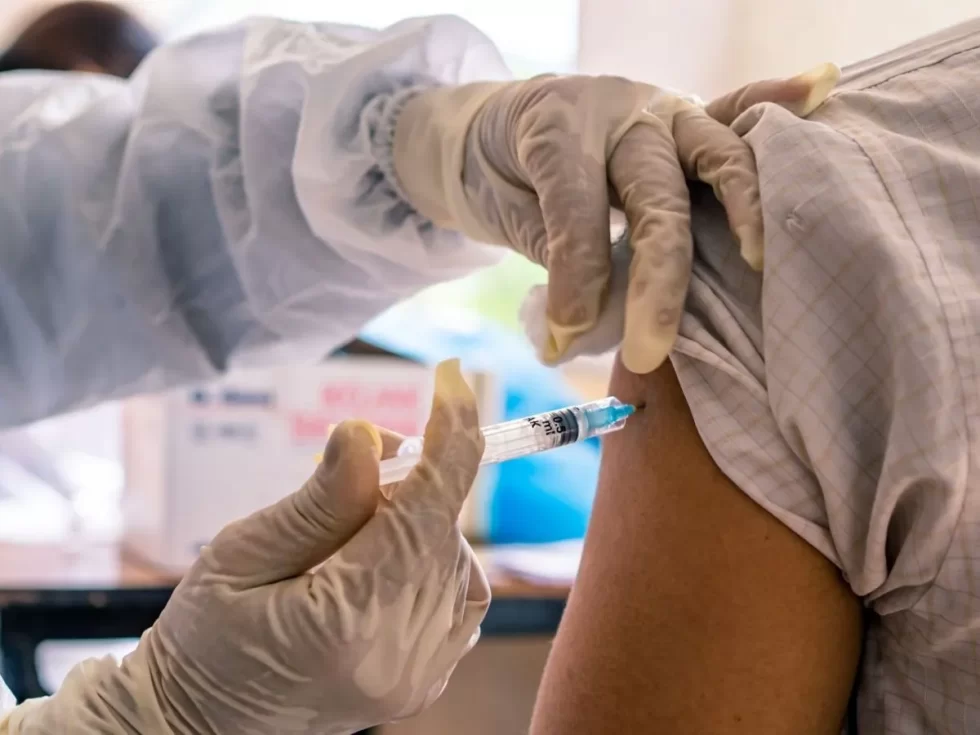
Portugal has surpassed its seasonal flu vaccination target, with more than 2.5 million people now immunised nationwide, marking a significant milestone in the country’s public health campaign. The latest figures show that an additional 13,903 doses were administered in the past week alone, reinforcing steady momentum as winter conditions place added pressure on health services.
The update was released in the most recent seasonal vaccination report from the Direção-Geral da Saúde, which monitors immunisation coverage and respiratory illness trends across the country. Health officials say exceeding the original target reflects strong public adherence, particularly among high risk groups.
Flu vaccination campaigns in Portugal traditionally focus on older adults, people with chronic illnesses, pregnant women and healthcare workers. These groups face a higher risk of complications from influenza, including hospitalisation and secondary infections. Authorities say coverage among people aged 65 and over has been particularly strong this season, helping to reduce pressure on hospitals during peak winter months.
Public health specialists note that the flu season coincides with increased circulation of other respiratory viruses, making vaccination an important tool for preventing system overload. reducing severe flu cases, hospitals can better manage admissions related to other conditions, including respiratory infections and chronic disease flare ups.
The success of the campaign has been attributed to a combination of factors. Expanded access to vaccines through health centres, pharmacies and community outreach programmes has made immunisation more convenient. Public communication efforts have also emphasised the safety and effectiveness of the flu vaccine, countering lingering hesitancy in some segments of the population.
Health officials say lessons learned during the Covid pandemic have improved vaccination logistics and public engagement. Digital appointment systems, better data sharing and clearer messaging have helped streamline the rollout and track progress in real time. As a result, authorities were able to adjust supply and staffing to meet demand as uptake increased.
Despite surpassing the target, the Directorate General of Health continues to encourage eligible individuals who have not yet been vaccinated to do so. Influenza activity often intensifies later in the winter, and protection is most effective before peak transmission. Officials stress that vaccination remains beneficial even after the season has begun.
Medical professionals also remind the public that flu vaccines are updated annually to match circulating strains. This means vaccination is needed every year, even for those who received a shot in previous seasons. The current campaign uses formulations tailored to the strains most likely to circulate in Europe this winter.
Portugal’s progress compares favourably with many other European countries, where vaccination coverage has been uneven. Public health experts say high uptake not only protects individuals but also contributes to broader community protection, reducing overall transmission and protecting vulnerable populations.
The vaccination milestone comes at a time when Portugal’s health system is under seasonal strain from cold weather illnesses and staffing challenges. Officials say strong flu vaccine coverage can help mitigate some of that pressure, particularly in emergency departments and primary care.
Authorities are expected to continue monitoring flu activity and vaccine effectiveness in the coming weeks. While vaccination is a central pillar of prevention, health officials also urge people to follow basic protective measures, including hand hygiene and staying home when unwell.
As Portugal moves through the peak of winter, surpassing the flu vaccination target is being viewed as a positive signal for public health preparedness. Officials say maintaining high coverage will remain a priority as part of broader efforts to protect population health during the respiratory virus season.