Poland has long been one of Central Europe’s most attractive destinations for foreign investment, and even as inflows slow, the country continues to draw international companies. Recent figures show that foreign direct investment into Poland declined sharply in 2024, falling from 125.7 billion złoty to 56.5 billion złoty. As a share of GDP, inflows dropped from 3.7 percent to 1.6 percent, marking a notable shift after decades of relatively stable investment levels. Yet these headline numbers tell only part of the story.
A Deeply Internationalised Economy
Despite the slowdown in new inflows, Poland remains highly internationalised. the end of 2024, the total stock of foreign investment reached nearly 1.4 trillion złoty, equivalent to around 332 billion euros. This figure represents an increase from the previous year and highlights the long term confidence international investors continue to place in the Polish economy. Foreign capital remains embedded across manufacturing services logistics and technology, supporting employment and economic growth.
Traditional Investors Still Dominate
Poland’s largest foreign investment volumes continue to come from Western Europe. The Netherlands Germany and Luxembourg account for the biggest shares of total investment stock, reflecting Poland’s close integration with European supply chains. When measured parent company origin, Germany the United States and France remain the most influential players. These countries have shaped Poland’s industrial base for years, particularly in automotive manufacturing finance and business services.
Turkey Emerges as a Growing Source of Capital
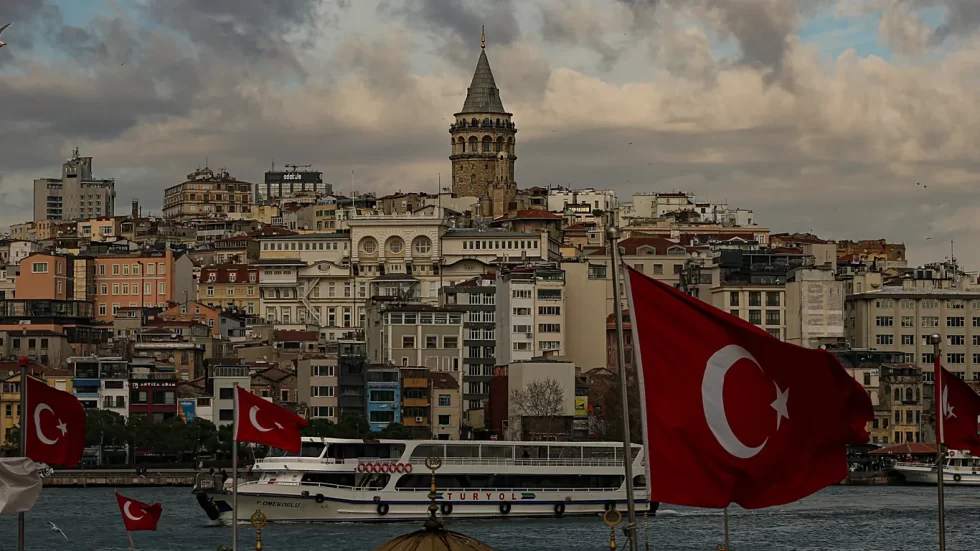
Against this established backdrop, Turkey is emerging as a more visible source of investment. Turkish companies are increasingly viewing Poland as a strategic gateway into the European market. One example is FAF Global, a business process outsourcing firm that selected Poland as its European headquarters. The company now employs hundreds of people locally, including many Turkish nationals, reflecting a growing cross border business presence.
Why Polish Cities Appeal to Turkish Firms
Turkish entrepreneurs cite several reasons for choosing Poland. The country offers a skilled and multilingual workforce competitive operating costs and strong digital infrastructure. Its central location allows easy access to both Western and Eastern European markets. Poland also provides a relatively predictable regulatory environment and political stability compared with some neighboring regions. For service based industries such as outsourcing these factors combine to create an attractive base for expansion.
Labour Mobility and Cultural Links
The presence of Turkish workers in Poland has grown alongside investment. Companies like FAF Global benefit from the ability to relocate experienced staff while also hiring locally. This mix supports operational continuity and knowledge transfer. Over time these professional networks contribute to deeper economic ties between Poland and Turkey extending beyond individual firms into broader trade and cooperation.
Investment Strategy in a Changing Climate
The recent decline in annual investment inflows reflects wider global uncertainty rather than a loss of confidence in Poland itself. Higher interest rates geopolitical tensions and cautious corporate spending have affected investment decisions across Europe. In this context investors are prioritising resilience and long term positioning over rapid expansion. Poland’s large domestic market EU membership and improving infrastructure continue to support its appeal under these conditions.
A Shifting but Resilient Investment Landscape
Poland’s experience shows how foreign investment patterns can evolve without undermining long term fundamentals. While traditional Western investors remain dominant new sources of capital are gaining importance. Turkish companies represent one such trend bringing fresh momentum and diversifying Poland’s investment base. As global conditions stabilise Poland appears well positioned to remain a key destination for international businesses looking for a stable and connected European hub.