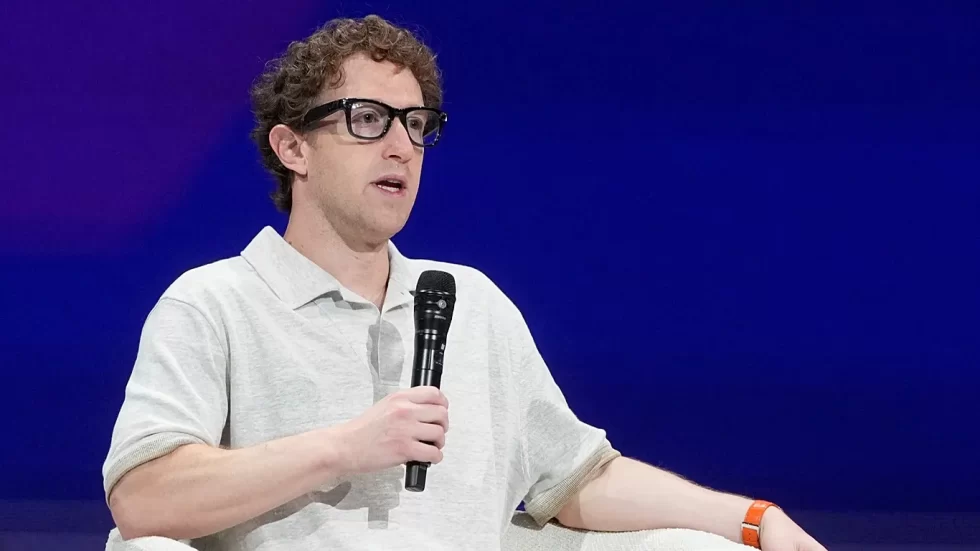
Meta has taken another decisive step in the artificial intelligence race agreeing to acquire AI startup Manus in a deal valued at more than 2 billion dollars. The move signals an intensification of Meta’s ambition to compete head on with rivals such as Google and OpenAI, as AI becomes central to the future of consumer technology.
The acquisition reflects a broader strategic shift inside Meta, where artificial intelligence is no longer an experimental feature but a core pillar shaping products, platforms, and long term competitiveness.
Why Manus Matters to Meta
Manus has built a reputation for developing advanced AI agents capable of performing complex tasks with minimal user input. These systems go beyond simple chat functions, offering tools that can plan activities, generate content, and assist decision making across multiple steps.
For Meta, this capability is particularly valuable. The company operates some of the world’s largest consumer platforms, including Facebook and Instagram, where AI driven assistance can enhance everything from content creation to advertising optimisation and user engagement. Integrating Manus technology allows Meta to accelerate progress without relying solely on internal development.
Mark Zuckerberg’s Renewed Focus on AI
The acquisition aligns closely with the vision of Mark Zuckerberg, who has repeatedly positioned AI as central to Meta’s next phase of growth. After heavy investment in virtual reality and the metaverse delivered mixed results, AI now represents a clearer commercial and strategic opportunity.
Zuckerberg has emphasised the importance of building general purpose AI tools that can scale across consumer and business products. Bringing Manus talent and technology in house strengthens Meta’s ability to deliver AI features faster and with greater sophistication.
Competitive Pressure From Tech Rivals
The timing of the deal reflects intensifying competition among technology giants. Google continues to embed AI deeply into search, productivity tools, and cloud services, while OpenAI’s rapid progress has reshaped expectations around generative AI.
Meta faces pressure not only to match these capabilities but to differentiate itself. Unlike some rivals, Meta controls social platforms with billions of users, offering unique data and distribution advantages. Advanced AI agents could transform how users interact with these platforms, shifting experiences from passive scrolling toward more interactive and personalised engagement.
Implications for Facebook and Instagram
The most immediate impact of the acquisition is likely to be felt across Meta’s flagship apps. AI agents powered Manus technology could assist creators with content planning, automate moderation tasks, and help users manage information overload.
In advertising, more capable AI tools could improve targeting, campaign design, and performance measurement. For businesses that rely on Meta’s platforms, this could translate into more efficient marketing tools and higher returns, reinforcing Meta’s revenue engine.
Talent and Infrastructure Advantages
Beyond technology, the deal brings skilled AI researchers and engineers into Meta’s organisation. Talent acquisition has become a critical battleground in the AI sector, with experienced teams often more valuable than standalone products.
absorbing Manus, Meta reduces the risk of losing key talent to competitors and accelerates internal knowledge transfer. This strengthens its ability to train large models, deploy AI at scale, and maintain control over critical infrastructure.
Risks and Integration Challenges
Despite the strategic logic, the acquisition carries risks. Integrating a startup culture into a large corporate structure can slow innovation if not managed carefully. There are also regulatory considerations, as large tech acquisitions increasingly attract scrutiny from competition authorities.
Meta must demonstrate that AI integration enhances user experience without exacerbating concerns around privacy, data use, or algorithmic influence. Public trust will remain a critical factor in how AI driven features are received.
What the Deal Signals About the AI Race
The Manus acquisition underscores how quickly the AI landscape is consolidating. Rather than building everything from scratch, major technology firms are increasingly acquiring specialised startups to gain speed and capability.
This trend suggests that the next phase of AI competition will be less about novelty and more about execution at scale. Companies that can integrate advanced AI seamlessly into everyday products are likely to gain the greatest advantage.
A Strategic Bet on the Future
Meta’s decision to acquire Manus is a clear statement of intent. The company is betting that AI agents will redefine how people interact with digital platforms and that owning this capability is essential to staying competitive.
As Meta races to keep pace with Google and OpenAI, the success of this acquisition will be measured not just technological progress, but how effectively AI becomes embedded into daily digital life for billions of users.