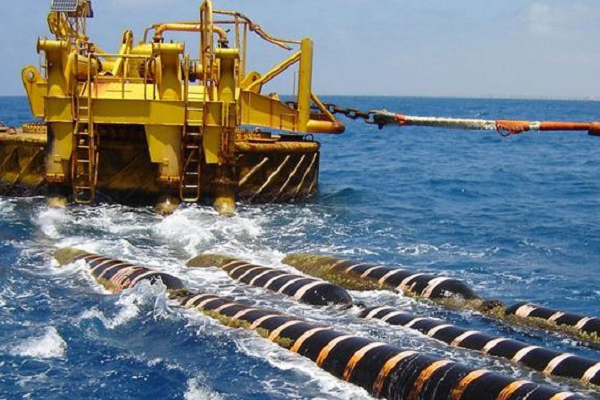
A major step toward strengthening Nigeria’s digital backbone
Nigeria is in advanced discussions with Google over the development of a new undersea internet cable, a project that could significantly enhance the country’s digital infrastructure. If finalized, the agreement would mark another milestone in Nigeria’s efforts to expand connectivity, improve internet reliability, and support long term economic growth driven technology.
Undersea cables are the backbone of global internet traffic, carrying the vast majority of international data flows. For Nigeria, Africa’s largest economy population, additional subsea capacity is increasingly critical as demand for data continues to surge across households, businesses, and government services.
Why undersea cables matter for Nigeria’s economy
Nigeria’s digital economy has grown rapidly over the past decade, fueled mobile adoption, fintech innovation, and a vibrant startup ecosystem. However, infrastructure constraints have often limited speed, affordability, and resilience. New undersea cables can ease these bottlenecks increasing bandwidth and reducing reliance on a small number of existing routes.
Greater capacity typically leads to lower wholesale data costs, which can translate into more affordable internet services for consumers. It also improves network redundancy, reducing the risk of widespread outages when a single cable is damaged. For a country with a growing tech sector, these improvements are foundational rather than optional.
Google’s expanding role in global connectivity
Google has become an increasingly influential player in global internet infrastructure, investing directly in undersea cable systems to support its cloud services, platforms, and broader ecosystem. pursuing a cable project linked to Nigeria, the company signals confidence in the country’s long term digital potential.
Such investments are not purely commercial. They often align with broader goals of expanding internet access and improving performance in underserved regions. For Nigeria, partnering with a global technology firm brings not only capital but also technical expertise and international integration.
Strategic implications for Nigeria and West Africa
A new undersea cable landing in Nigeria would have implications beyond national borders. Nigeria serves as a connectivity hub for much of West Africa, and increased capacity could support regional data flows, cross border digital services, and economic integration.
Improved connectivity strengthens sectors such as financial services, e commerce, education, and digital government. It also supports foreign investment, as multinational companies increasingly assess digital infrastructure when choosing where to locate operations.
Challenges and considerations ahead
Despite the promise, large scale infrastructure projects face challenges. Regulatory approvals, environmental assessments, and coordination with local telecom operators all play a role in determining timelines and outcomes. Ensuring that new capacity is effectively distributed inland rather than concentrated in coastal areas is another ongoing concern.
There is also the question of inclusivity. While undersea cables improve national capacity, complementary investment in terrestrial networks is essential to ensure that benefits reach smaller cities and rural communities.
Part of a broader digital transformation agenda
The talks with Google fit into Nigeria’s wider push to modernize its digital infrastructure and position itself as a leading technology hub in Africa. Successive governments have emphasized broadband expansion as a pillar of economic diversification beyond oil and gas.
As data consumption continues to rise, infrastructure decisions made today will shape competitiveness for years to come. A new undersea cable would not solve all challenges, but it would provide a critical foundation for future growth.
Looking ahead
If negotiations result in a formal agreement, the project could redefine Nigeria’s connectivity landscape and reinforce its role in Africa’s digital economy. For Google, it would deepen engagement in a high growth market. For Nigeria, it would represent a strategic investment in resilience, capacity, and long term opportunity.
The outcome of these talks will be closely watched, not only the telecom sector but businesses and consumers who stand to benefit from faster, more reliable internet access in the years ahead.