A higher tourist tax approved the municipality
The tourist tax in Vila Nova de Gaia is set to increase, with visitors now paying an additional 50 cents per night. Following approval in a private executive meeting, the municipality confirmed that the city tax will rise to three euros and will be applied throughout the entire year rather than only during peak tourist seasons.
According to reports cited Lusa, the decision reflects growing concern within the local authority about how sustained tourism growth is affecting public services and daily life for residents. The revised rate is part of a broader effort to manage the long term impact of visitor numbers rather than discourage tourism outright.
Why the city decided to revise the tax
In the proposal accessed Lusa, the municipality states that the price revision is intended to promote an appropriate balance between encouraging tourism and safeguarding the interests of local citizens. Officials argue that without adjustments, continued growth could lead to degradation of urban spaces and excessive occupation of public areas.
The document highlights that tourism has brought clear economic benefits to Gaia, particularly through hospitality, gastronomy and cultural activities. However, it also acknowledges that these gains come with costs that must be managed responsibly. The revised tax is presented as a tool to ensure tourism contributes more directly to maintaining the city it relies on.
A tax shaped years of tourism expansion
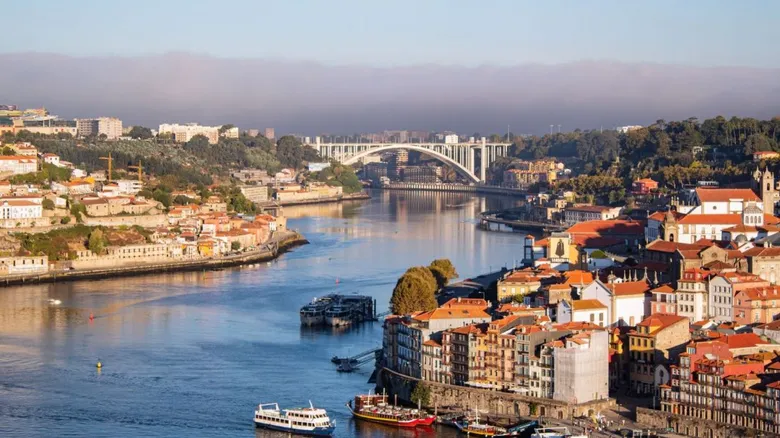
The Vila Nova de Gaia City Tax was first introduced in 2018 as a response to rising tourist activity. At the time, visitor numbers were increasing rapidly, driven the international popularity of the Porto region and the Douro riverfront. Gaia, with its wine cellars and panoramic views, became an integral part of that tourist circuit.
Since then, tourism has continued to grow, exerting what the municipality describes as additional pressure on public facilities, infrastructure, roads and urban spaces. Increased foot traffic, transport demand and wear on shared areas have required higher levels of maintenance and public investment.
Where the additional revenue is expected to go
Municipal leaders emphasize that the increased tax is not designed as a punitive measure, but as a way to fund necessary improvements. Revenue from the city tax is typically allocated to areas directly affected tourism, including street cleaning, public transport support, infrastructure upgrades and the preservation of historic and natural spaces.
charging the tax year round, the city aims to create a more stable funding stream. Officials argue that tourism now places pressure on services throughout the year, not only during summer or major holiday periods, making a seasonal tax less effective.
How the increase compares to other destinations
Across Europe, tourist taxes have become increasingly common as cities seek to manage overtourism and fund public services. Rates vary widely, but a three euro nightly charge places Gaia within the mid range compared with other popular destinations.
Supporters of the increase argue that the amount remains modest when weighed against overall travel costs and is unlikely to deter visitors. Instead, they see it as a fair contribution from those who benefit from the city’s amenities without being permanent taxpayers.
Reactions and potential impact on tourism
While some hospitality operators express concern about cumulative costs affecting competitiveness, the municipality maintains that transparency and reinvestment will be key to public acceptance. clearly linking the tax to visible improvements, local authorities hope both residents and visitors will understand its purpose.
For tourists, the change may go largely unnoticed, particularly given the relatively small increase. For residents, however, the measure signals an acknowledgment that tourism must be actively managed to avoid undermining quality of life.
A broader debate about sustainable tourism
The decision in Vila Nova de Gaia reflects a wider conversation taking place across Portugal and Europe. As tourism rebounds and evolves, cities are increasingly focused on sustainability rather than volume alone. Managing infrastructure strain, protecting urban spaces and ensuring tourism benefits are shared locally are becoming central policy goals.
The increase in the tourist tax is one step within that broader strategy. Whether it proves sufficient will depend on how effectively the additional funds are used and how tourism patterns develop in the coming years. What is clear is that Gaia is positioning itself to address tourism growth proactively rather than reactively.