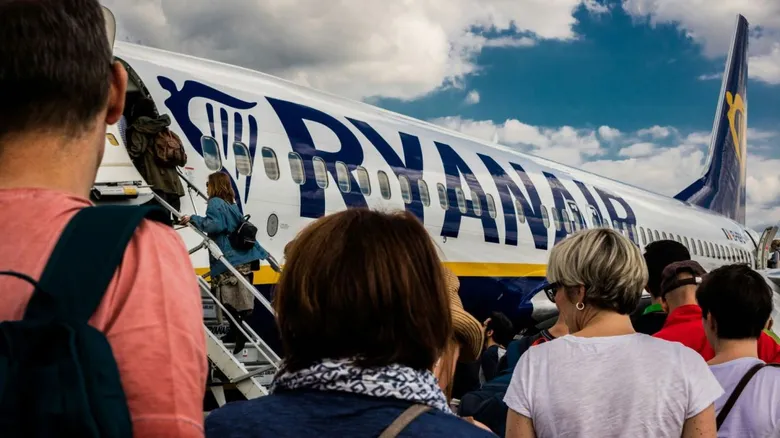
A major penalty welcomed travel agencies
Calls to impose tougher penalties on low cost airlines have intensified after the Italian Competition Authority fined Ryanair €255 million for abusing its dominant market position. The decision has been welcomed ANAV, which represents Italy’s National Association of Travel Agencies and has long argued that airline practices are distorting competition and harming consumers.
ANAV described the ruling as an important signal that regulators are willing to intervene when market power is used unfairly. For travel agencies, the fine validates years of complaints about restrictive practices that limit choice, transparency and fair competition within the aviation sector.
What the regulator found
The €255 million fine was issued the Italian Competition Authority following an investigation into Ryanair’s commercial conduct. According to the authority, the airline leveraged its market dominance to impose conditions that disadvantaged competitors and intermediaries, particularly travel agencies and third party booking platforms.
Regulators concluded that these practices restricted consumer choice and reinforced Ryanair’s control over ticket sales and ancillary services. shaping how flights could be sold and accessed, the airline was found to have reduced competition in ways that breach European competition rules.
Why travel agencies support the decision
For ANAV, the ruling represents more than a single enforcement action. Travel agencies have long argued that dominant airlines use their scale to push customers away from independent sellers and toward direct booking channels, often through restrictive terms or technical barriers.
These practices, agencies say, undermine the role of intermediaries who offer comparison, advice and consumer protection. ANAV believes the fine sends a message that airlines cannot operate above competition law simply because of their size or popularity.
Ryanair’s market power under scrutiny
Ryanair is one of Europe’s largest airlines and a dominant force in several national markets, including Italy. Its low cost model and extensive route network have reshaped European travel over the past two decades. However, critics argue that scale brings responsibility, particularly when one operator controls a significant share of capacity.
Competition authorities across Europe have increasingly focused on how dominant digital and transport companies use their position. In aviation, this includes how tickets are distributed, how fees are structured and whether rivals can compete on equal terms.
Wider implications for the airline industry
The Italian ruling may have consequences beyond Ryanair. Other airlines operating similar models could face closer scrutiny if regulators believe market power is being used to restrict competition. Travel agencies and consumer groups are likely to push for further investigations at both national and European levels.
The case also highlights a broader tension within the travel industry. Airlines seek direct relationships with customers to control pricing and data, while intermediaries argue that open distribution is essential for competition and consumer choice.
Consumer impact and transparency concerns
At the heart of the debate is the consumer experience. Regulators argue that when dominant airlines restrict how tickets are sold, passengers may face fewer options, less price transparency and limited access to bundled services or after sales support.
Travel agencies often position themselves as advocates for consumers, particularly when flights are disrupted or cancelled. ANAV contends that weakening agencies ultimately leaves passengers more exposed when problems arise.
What happens next
Ryanair is expected to challenge the fine, as it has done in previous regulatory disputes, arguing that its business model benefits consumers through lower fares. Legal appeals could take years, but the ruling already strengthens the hand of those calling for stricter oversight.
For policymakers, the case reinforces the need to balance innovation and affordability with fair competition. For the airline industry, it signals that dominance will continue to attract regulatory attention.
A turning point for competition enforcement
ANAV’s endorsement of the fine reflects a broader push to rebalance power within the travel market. Whether this decision marks a turning point will depend on how consistently regulators act across Europe.
What is clear is that the conversation around airline dominance is shifting. As competition authorities take firmer positions, airlines may need to rethink how they use scale and influence in markets where choice and fairness are increasingly under scrutiny.