Portuguese authorities have seized more than a ton of illegally transported crustaceans and bivalves during a coastal enforcement operation carried out over the weekend in central Portugal. The action was conducted the GNR Coastal and Border Control Unit in the municipality of Murtosa, following a series of inspections focused on protecting marine resources and ensuring compliance with fisheries regulations. According to official information, the operation targeted the capture, transport, and storage of live shellfish in sensitive estuarine areas, where illegal practices can have a significant environmental impact. The total volume seized exceeded 1,200 kilograms, with an estimated market value of 8,500 euros, highlighting both the scale of the activity and the economic incentives that continue to drive unregulated harvesting along the Portuguese coast.
The inspections were carried out in and around the Aveiro estuary, an area known for its ecological importance and commercial shellfish activity. During the operation, two men aged 43 and 54 were identified while transporting large quantities of live crustaceans and bivalves without the legally required documentation. Authorities confirmed that the absence of transport and traceability records constitutes an administrative offense under Portuguese law. These violations can result in fines of up to 25,000 euros, reflecting the seriousness with which regulators view breaches of fisheries control rules. Officials noted that such measures are designed not only to penalize offenders but also to deter practices that undermine sustainable fishing and fair competition within the sector.
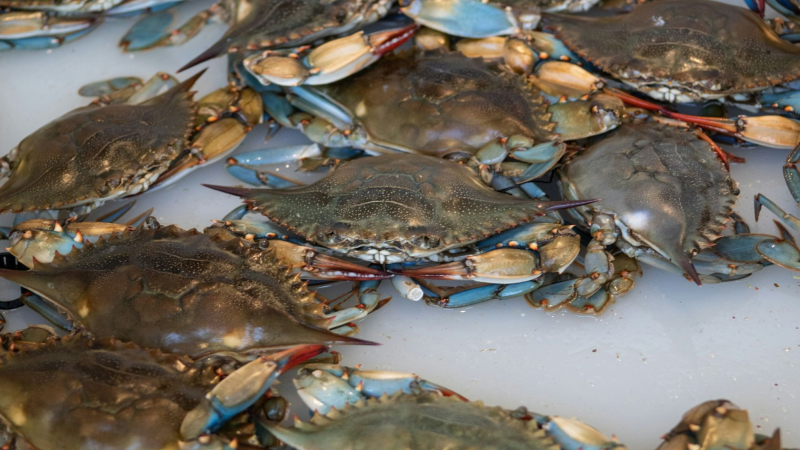
Details released the security forces indicate that the seized cargo included approximately 675 kilograms of Moorish crab and 580 kilograms of common cockle. Both species are subject to strict harvesting and transport regulations due to their vulnerability to overexploitation and their role in local ecosystems. After the seizure, the shellfish were transported to the fish market in Aveiro, where they were officially weighed and measured in accordance with standard procedures. Following verification, the crustaceans and bivalves were returned to their natural habitat, a step authorities say is intended to minimize environmental damage while maintaining enforcement integrity.
The operation forms part of a broader effort Portuguese authorities to strengthen oversight of coastal and estuarine activities, particularly during periods of increased demand for seafood. Illegal harvesting and transport not only threaten marine biodiversity but also distort legal markets and compromise food safety standards. intensifying inspections and enforcement actions, the GNR aims to reinforce compliance across the supply chain and protect legitimate operators. Officials stressed that continued monitoring will remain a priority in coastal regions, as safeguarding marine resources is considered essential to the long term sustainability of Portugal’s fishing industry and coastal economies.