






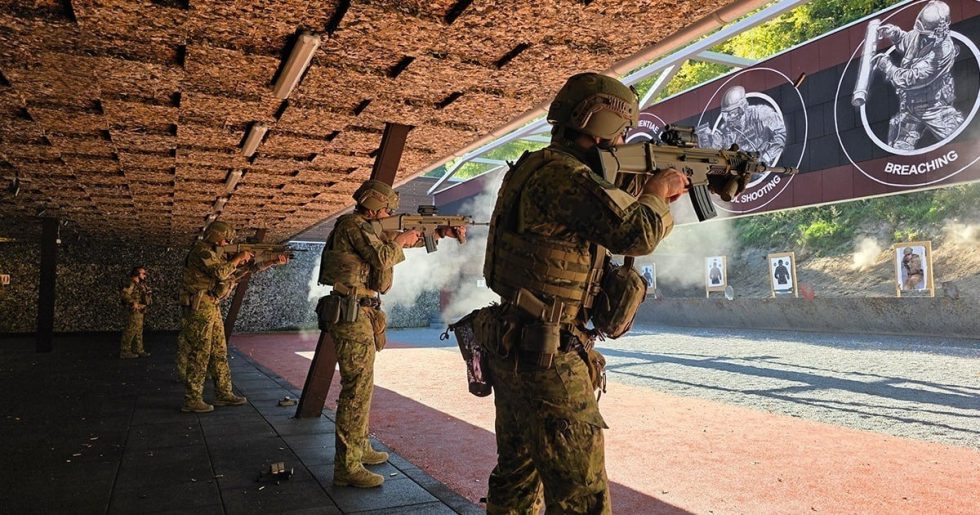
Portugal is preparing to deploy a full platoon of army snipers to Slovakia next month, significantly reinforcing its military presence on NATO’s eastern flank at a time of heightened security concerns in Europe. The deployment will add 155 personnel to the existing Portuguese contingent already stationed in the country as part of a multinational battlegroup. Senior military officials described the move as a clear demonstration of Portugal’s commitment to collective defence and alliance solidarity. The reinforcement marks a notable escalation in operational engagement, reflecting both the scale and complexity of current international missions involving the Portuguese Armed Forces. Military leaders have emphasised that this deployment represents one of the most substantial overseas commitments undertaken Portugal in recent years, underlining a strategic focus on deterrence and readiness within the Atlantic Alliance framework.
The additional troops will join around 120 Portuguese soldiers currently integrated into the Slovak Multinational Battlegroup, transforming the mission into a more robust and diversified force structure. Alongside personnel, the deployment includes significant military hardware, such as main battle tanks, armoured vehicles, and tactical transport units, enhancing operational capability on the ground. According to army leadership, this will be the first time in several years that Portugal’s heavy land forces are deployed outside national territory as a fully constituted national force. Preparations for the mission have been underway for more than four years, reflecting long term planning and coordination with NATO partners. The reinforcement is intended not only as a military contribution but also as a strategic signal of reliability and commitment to allied defence objectives.
Portuguese military officials have placed the deployment within the broader geopolitical context shaped the ongoing conflict in Ukraine and rising tensions along Europe’s eastern borders. The presence in Slovakia has evolved progressively, beginning with smaller armoured elements before expanding into a reinforced sub unit and now a larger operational formation. Commanders have stressed that the mission is designed to strengthen NATO’s response capacity and provide a tangible deterrent through forward deployed forces. Beyond its defensive role, the deployment offers opportunities for joint training and interoperability with allied armies, allowing Portuguese units to operate within complex multinational command structures. Such cooperation is viewed as essential for maintaining readiness and ensuring that forces can respond rapidly to emerging threats.
The reinforcement comes as Portugal’s army manages an unprecedented level of simultaneous international commitments. At present, hundreds of Portuguese military personnel are engaged in missions across Europe, Africa, and other regions, under the mandates of NATO, the European Union, and the United Nations. In addition to deployed forces, other units remain on standfor rapid reaction roles, reflecting the breadth of operational responsibilities currently shouldered the armed forces. Military leadership has acknowledged the strain of maintaining readiness across multiple theatres but emphasised that training and preparedness remain core institutional priorities. The deployment to Slovakia underscores Portugal’s intent to remain an active and credible contributor to international security efforts during a period of sustained geopolitical uncertainty.


