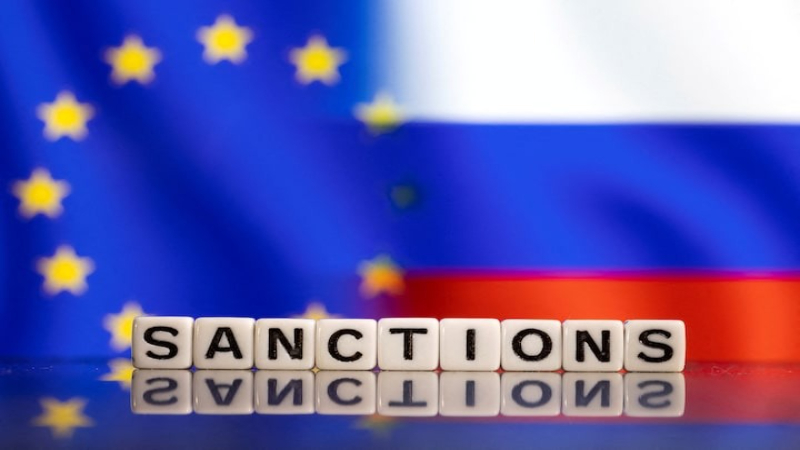
The European Union has expanded its human rights sanctions regime adding eight Russian officials accused of serious violations and of undermining the rule of law, according to a statement released the Council of the European Union.
The newly sanctioned individuals include members of the Russian judiciary who were involved in sentencing prominent activists on charges the EU describes as politically motivated. The list also targets senior officials linked to penal colonies and detention facilities where political prisoners have reportedly been held under inhuman or degrading conditions.
Among those named are Aleksei Vasilyevich Valizer, identified as the head of a penal colony, and Anton Vladimirovich Rychar, who oversees a pre trial detention centre. Two judges from St Petersburg, Eva Alexandrovna Giunter and Andrey Pavlovich Shibakov, were also included in the updated sanctions list. EU officials stated that the measures reflect concerns over the treatment of detainees such as municipal deputy Aleksei Gorinov and journalist Maria Ponomarenko.
Under the sanctions framework, the designated individuals are banned from travelling to or transiting through EU member states. Any assets they hold within the European Union are frozen, and EU citizens and companies are prohibited from making funds or economic resources available to them. Sanctions of this nature require unanimous approval from all 27 EU member states.
The bloc first adopted targeted human rights sanctions against Russian officials in 2024, citing a deterioration in civil liberties and judicial independence, particularly in the context of Russia’s war against Ukraine. With the latest additions, a total of 72 individuals have now been targeted under this specific human rights regime. Those previously sanctioned include judges, Ministry of Justice officials, and senior figures within the Russian prison system.
The decision comes as EU foreign ministers met in Brussels to discuss a broader 20th package of sanctions aimed at Russian authorities. That wider package is expected to address additional sectors, potentially including energy and metals, as part of ongoing efforts to maintain economic pressure on Moscow.
However, divisions remain within the bloc. Hungary has signalled it may block further sanctions and delay approval of a major financial assistance package for Ukraine. Any new restrictive measures would require consensus among member states, making negotiations particularly sensitive ahead of the fourth anniversary of the war in Ukraine.
EU officials say the continued use of targeted sanctions is intended to hold individuals accountable while signalling the bloc’s stance on human rights and judicial independence.