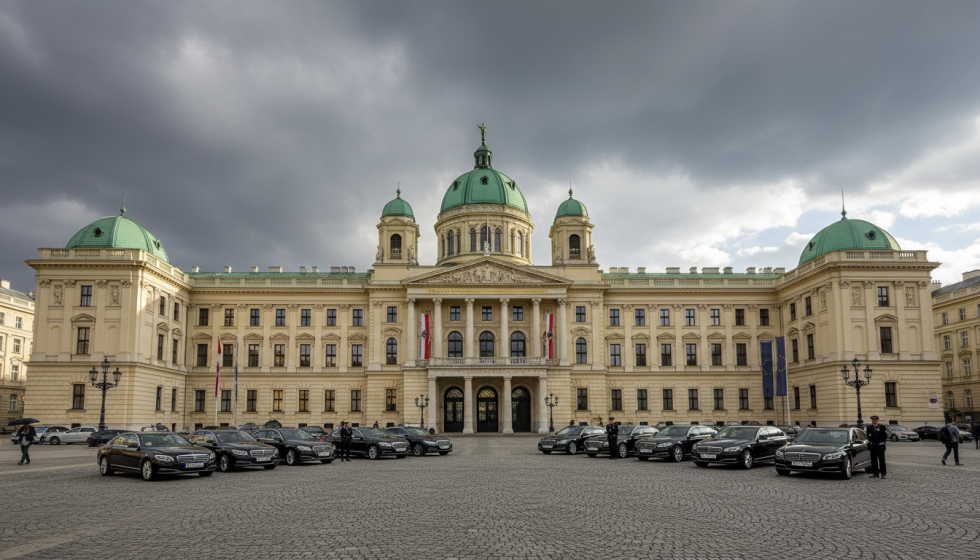
Austrian Boldness on Espionage
Austria’s just expelled three Russian diplomats, claiming their antics were a bit too suspicious for comfort. Foreign Minister Alexander Schallenberg framed this as a security move, not some political theatre, according to reports Reuters. In Vienna Today, officials insisted this wasn’t just your average personnel shuffle; it followed a thorough assessment of their underhanded behaviour. The foreign ministry declared these individuals persona non grata under the Vienna Convention—a fancy way of saying, ‘You’re outta here!’ without a trial. They made it clear: Austria will protect its secrets, but they’re not shutting down diplomatic channels anytime soon.
The Nitty-Gritty of the Accusations
Austrian officials are playing it close to the chest: no juicy details about the suspected spying have been revealed. Yet, the foreign ministry hinted that the expulsions tie back to some serious espionage concerns. At a recent briefing, they pointed to protective protocols that stop them from spilling the beans publicly, confirming those diplomats would be on their way out with a deadline, as Reuters noted. They also reaffirmed that counterintelligence is left to the experts and sensitive intel flows only through approved channels, especially when it comes to partners—like in Pope Leo XIV to Meet Rubio on May 7 in Vatican, where security matters are more than just words. An update from Vienna shared that more administrative reviews are still in motion.
Diplomatic Fallout with Moscow
This move has sent diplomatic tensions with Russia skyrocketing, because the standard playbook dictates that they’ll likely retaliate. Austria’s foreign ministry is bracing for this, ready to assess any Russian response through the usual diplomatic avenues, as Reuters reports. But officials also stress that Austria values hosting international organisations, so handling consular access and immunity is a balancing act, especially as EU leaders convene in Armenia while Russia keeps a keen eye. This whole affair is tightening the screws on what little diplomatic rapport they have left, especially when it comes to crucial matters like security dialogue and visa processes. Vienna’s latest updates suggest they’ll keep talking—officially, of course.
How Europe’s Watching This Play Out
Across European capitals, they’re seeing this as a play for national security, all the while keeping tabs on the possibility of escalation that could put a spanner in the works of broader coordination. Reuters has Austrian officials saying their actions are aligned with safeguarding state interests. Interestingly, expulsions have become the new norm since Russia decided to throw caution to the wind with its invasion of Ukraine. In various discussions, diplomats are noting that back-and-forth expulsions may lead to reduced staffing at embassies and hinder crisis management—something the BBC highlighted, as tensions rise in European leaders converge on Armenia as Russia looks on. Analysts today warn that it’s not just the shouts that are concerning; it’s the lack of channels for actually solving problems.
What’s Next for Austria and Russia?
In the immediate aftermath, expect reciprocal expulsions and a further thinning of diplomatic ranks—a trend that’s been well-documented Reuters all over Europe lately. Austria’s foreign ministry vows to keep scrutinising security measures and will rely on formal platforms for cooperation. The recent expulsions have sent a clear message regarding Vienna’s security stance. An update out of Vienna has indicated that any future approvals for diplomats will face extra scrutiny, particularly for sensitive roles. Despite all the turbulence, officials are signalling that Austria aims to maintain minimal contact on consular matters, especially for citizens in need of help—even if political relations head south. All eyes are on whether Moscow responds in kind or opts to target specific Austrian positions. The underlying message remains: security enforcement and diplomacy can co-exist, albeit in a careful dance.