Russia Launches New Strikes in Ukraine
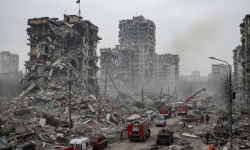
Russian forces have cranked up their missile and drone attacks across multiple regions in Ukraine, throwing emergency services into chaos as they scramble to rescue, clear debris, and restore power. In a live briefing from the BBC, officials announced at least 10 fatalities from this latest surge, with more casualties piling up as homes and civilian targets are blasted. President Volodymyr Zelensky has been vocal about the renewed strain on air defences and response units. The pressure’s palpable: hospitals are feeling the crunch, and grid repairs are lagging. Local officials are churning out rolling updates on outages and damaged substations, while military types are urging people to hunker down. Air alerts keep blaring throughout the day, with authorities stressing that teams are still assessing damage site site.
Ukraine’s Strategic Drone Attacks: A Game Changer
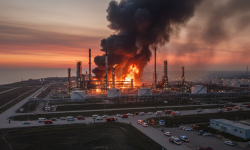
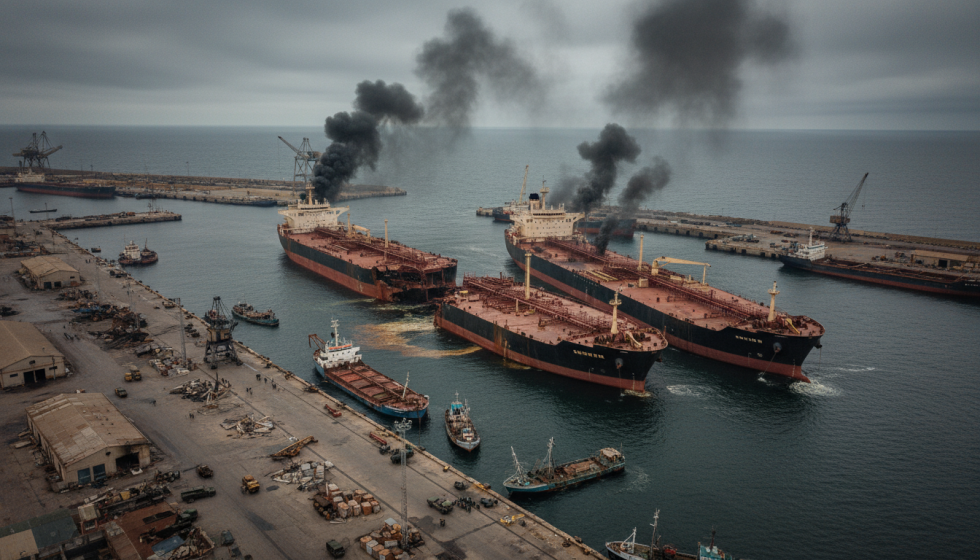
Meanwhile, Kyiv is framing its operations as smart, targeted strikes on the logistics and fuel lines fuelling Russian aggression, not just throwing punches in retaliation. Zelensky announced they’ve smashed oil tankers and a terminal, which the BBC caught in its coverage, highlighting that these attacks aim to put the brakes on Russia’s operational tempo. For a more in-depth look at how drones are being deployed beyond the front lines, check out BBC’s coverage of a Ukrainian drone strike in Moscow, which showcases the chaos it causes and the responses from air defense. Ukrainian statements reveal a different playbook, stressing military logistics without spilling the beans on where their strikes are coming from.
Shifting Tides in Global Oil Trade
The immediate fallout from drone strikes targeting fuel assets isn’t just about spikes in global oil prices; it’s a game of routing and risk premiums that keeps traders on edge. Risky waters near terminals can lead to scheduling nightmares and inflated costs. The shipping industry spends copious time debating whether port authorities will tighten security or if insurers will clamp down on coverage terms, as the events unfold. This energy revenue angle is critical for Moscow, and any disruptions may squeeze budgets down the line. It all leads back to market pricing, which now hinges on hard facts concerning throughput impacts.
Diplomatic Repercussions and Heated Exchanges
As tensions mount, diplomatic rhetoric is getting tougher. Capitals are balancing the risks of escalation with the imperative to sustain military support for Kyiv. Zelensky’s team is pushing hard for swifter deliveries of air defenses and interceptors, while the Russians bang the drum for their strikes and berate Ukrainian drone operations. A recent live readout from European officials highlighted the necessity of protecting civilians and bolstering Ukraine’s ability to fend off attacks, coupled with fresh updates on sanctions enforcement and export controls. The Ukraine conflict is increasingly entangled with other security crises, and foreign ministries are starting to draw comparisons with the Thailand-Cambodia conflict to avoid missteps, despite the obvious differences. Public statements remain tightly scripted, avoiding any hints that might raise the stakes further.
What Lies Ahead for the Ukraine Conflict
This latest back-and-forth underscores Russia’s strategy of wreaking havoc on air defences and morale, while Ukraine zeroes in on the crucial supply chains feeding Russian troops. Commanders on both sides will likely be prioritising toughening up defenses for power grids and transport routes, all while probing for weaknesses. The operational picture relies heavily on whether Ukraine can keep its drone sorties coming while holding onto launch platforms and skilled teams amid counter-pressures. The Ukraine-Russia conflict, with its relentless focus on ammunition supplies and repairs, shows both sides are determined to outlast each other, evolving rapidly in response to long-range strikes. Observers will be keeping a close watch for any shifts in targeting that could tilt the diplomatic scales.