Commander Brovdi’s Key Strategies
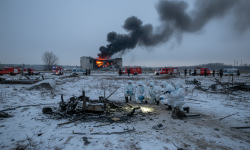
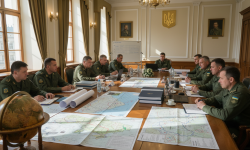
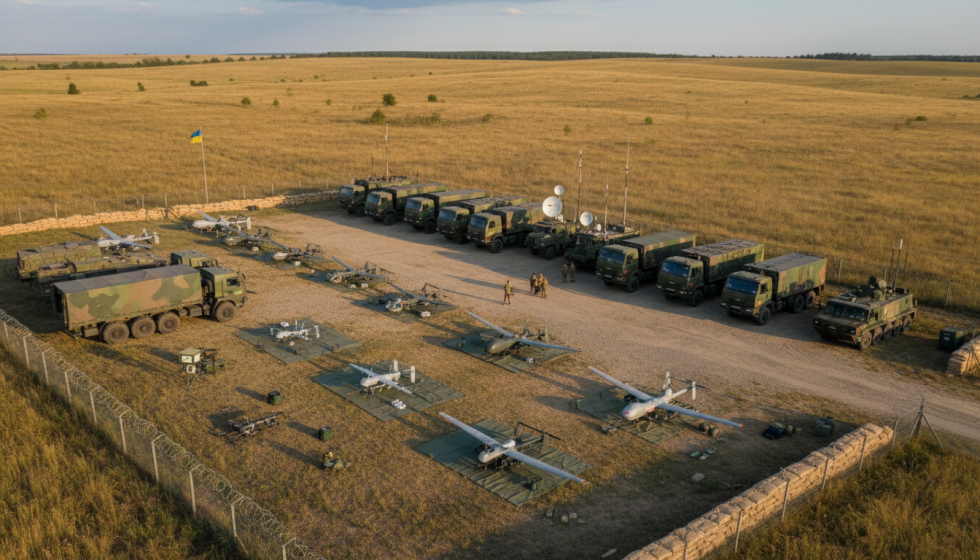
Field commanders describe a tighter tempo of drone missions as Ukraine prioritizes pressure on fuel, logistics, and front line cohesion. Reuters has highlighted Commander Robert Brovdi as a leading organizer of these strikes, with teams tasked to keep Russian units off balance across multiple sectors. In practice, missions are planned around short flight windows, rapid intelligence confirmation, and carefully timed follow on attacks. Ukrainian drone warfare is treated as a daily rhythm, not a special operation, and operators are rotated to sustain pace. Today, officers brief results within hours to refine targeting for the next cycle. This approach aims to compress Russia’s decision time and force costly defensive adaptations.
Impact of Ukrainian Drones on Russian Forces
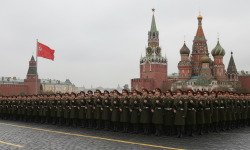
Command posts have framed recent sorties as an operational tool meant to disrupt Russian targets beyond immediate trench lines. Live battlefield monitoring relies on footage review and radio intercepts, and Ukraine’s General Staff posts regular summaries that units use to validate what actually burned or moved. Ukrainian drone warfare appears designed to pull air defenses away from the front and raise uncertainty in rear areas. The BBC has reported on Moscow scaling back its Victory Day parade, citing a threat from Ukraine, in a sign that leaders take long range pressure seriously, see BBC report on Moscow scaling back the Victory Day parade. Today, commanders also emphasize morale effects when convoys must travel slower and at night.
Technological Advancements in Drone Warfare
Operators say the most visible shift has been the faster integration of new airframes, payloads, and software as both sides iterate. Reuters has described field units adapting consumer style components into military systems, then changing procedures once Russia responds with jamming or decoys. The rolling Update cycle now includes more disciplined pre flight checks and battery management to reduce losses to electronic warfare. For broader context on how pressure reaches even symbolic events, a related account is available at UAE leaves OPEC after 60 years, what changes next, reflecting how energy themes intersect with security debates. In this phase, operators say the cadence is driven the same day review of video evidence and rapid distribution of lessons secure channels.
Challenges Faced Ukrainian Drone Units
Brovdi’s teams also face persistent constraints that shape mission selection more than slogans do. Ukraine’s Ministry of Defence has repeatedly warned about Russian electronic warfare and air defenses, and units report that losses can spike when weather forces predictable routes. Live coordination is harder when communications are contested, so crews rely on prearranged timing and short transmissions to limit detection. An Update on how Ukrainian officials frame contested supply chains can be read in Ukraine alleges Israel received grain from Russia, which illustrates how logistics narratives remain politically charged. A practical hurdle is sustaining parts supply while keeping training continuous, since new pilots must be inserted without slowing the operational tempo. Today, commanders say the aim is reliability, even when missions must be aborted.
Future Implications for Military Tactics
What emerges from recent operations is a pattern of tactical choices that reward speed, concealment, and disciplined reporting, rather than isolated spectacular strikes. Reuters has noted that commanders increasingly treat drones as a central arm alongside artillery, with targets selected to produce cascading friction across transport, repairs, and unit confidence. Ukrainian drone warfare therefore points toward a battlefield where small teams deliver effects once reserved for heavier systems, provided they can keep intelligence current and communications secure. The next Live shifts will likely be measured how well units maintain momentum under countermeasures, not single day tallies. Today, Ukraine’s leadership signals that drones will remain a priority because the cost per mission is lower than many alternatives, while still forcing Russia to spend heavily on defense.