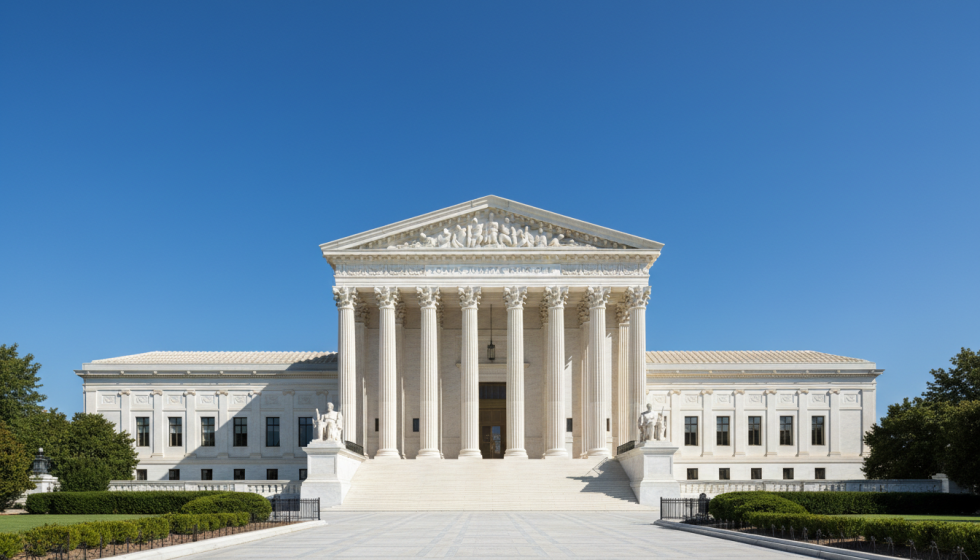
Court Decision Impacts Electoral Procedures
Litigants and election administrators moved quickly after the justices tightened standards for when race can be used in mapmaking under the Constitution and the Voting Rights Act. In case briefs filed Today, attorneys emphasized that the US Supreme Court ruling raises the bar for proving that lawmakers relied predominantly on race rather than political data, a test the Court has refined across multiple terms. Court filings described Live preparations for expedited hearings in lower courts, because primary calendars require finalized district lines on fixed dates set state election codes. In public orders issued after the decision, several federal judges instructed parties to submit an Update on remedial plans and expert reports so courts can assess map features without missing ballot printing deadlines.
History of Race in Electoral Mapping
The decision lands in a legal landscape built from decades of redistricting fights, where courts have required evidence that district lines were drawn with race as the overriding factor. Lawyers cited prior Supreme Court precedents in motions filed Today, arguing that the new opinion narrows what kinds of circumstantial proof can show racial predominance and demands clearer separation between race and political behavior. For readers tracking Live litigation calendars, election clerks and legislators often act in parallel, preparing backup plans while appeals proceed. In an unrelated example of how institutions manage fast moving public issues, UAE officials briefed energy markets in Abu Dhabi as UAE leaves OPEC after 60 years shows how governments communicate policy shifts while stakeholders seek an Update on next steps. Here, mapmakers face similar pressure to document intentions.
Potential Consequences for Minority Voting Power
Civil rights plaintiffs argued in newly filed complaints that stricter evidentiary demands could make it harder to challenge districts that dilute minority voting strength, even when communities present consistent patterns of cohesive voting. Attorneys opposing that view said the opinion clarifies that race cannot be treated as a default shortcut when partisan data can explain district shapes, and they urged courts to require detailed expert modeling. As hearings begin Today in several jurisdictions, analysts are watching Live how judges handle requests for preliminary injunctions that could force temporary maps for the next election. For context on how cross border issues can affect policy debates, Vatican City communications highlighted institutional messaging in Pope Ordains Priests, Urges a Welcoming Church, while courts here demand an Update grounded in record evidence.
Reactions from Political and Civil Rights Groups
Party committees and advocacy groups issued statements within hours, framing the ruling as either a guardrail against racial sorting or a setback for protections against vote dilution, and several announced plans to fund new expert work. A coalition letter released Today voting rights organizations urged Congress to revisit standards in federal law, while Republican aligned groups said the Court reinforced constitutional limits on racial classifications. Beyond election law, strategists noted that litigation narratives often spill into other regulatory debates, and some commentators folded in unrelated phrases such as us tariffs supreme court ruling to argue about judicial power across policy areas. Separately, readers following European business law can compare how disputes move through institutions in Japan’s aviation sector as Japan Airlines tests humanoid robots for ground work, a reminder that Live compliance questions also need rapid Update cycles.
Future Legal and Electoral Implications
In the near term, the ruling is expected to shift how trial judges evaluate expert testimony, especially when challengers use demographics to infer intent from line placement, precinct splits, or compactness tradeoffs. Lawyers preparing for appeals Today signaled that the US Supreme Court ruling will be cited to demand clearer proof that race, not politics, drove a design choice, while plaintiffs will emphasize any record statements and data layers that show racial targeting. Observers tracking Live dockets also expect more disputes over remedial maps, where courts must choose between legislative plans and court drawn alternatives without creating new constitutional issues. Some legal advocates invoked us supreme court tariffs and related phrases like us tariffs supreme court or supreme court tariffs ruling as rhetorical shorthand for judicial reach, but election cases will turn on the record and timely Update submissions.