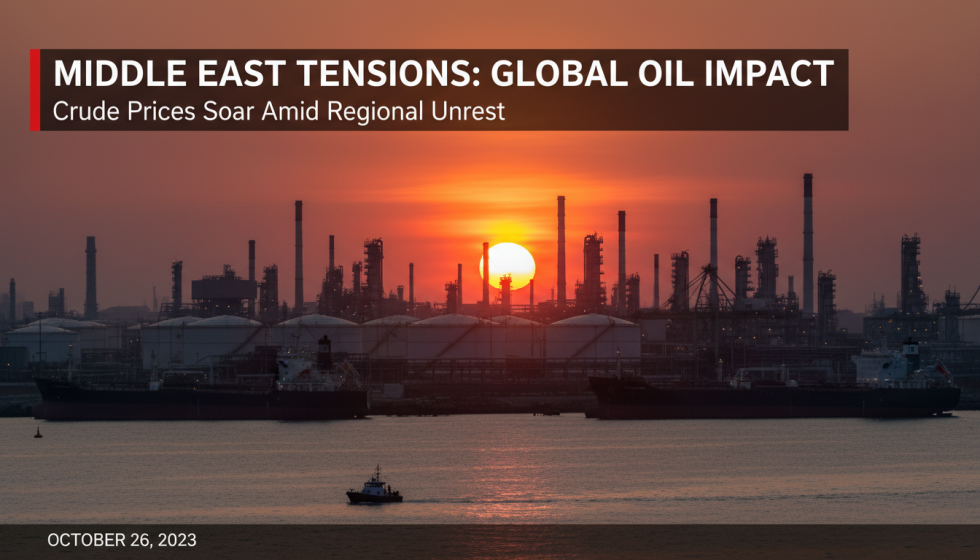
Oil Prices Hit a New High Amid Blockade
Traders opened Today with crude benchmarks climbing after fresh claims that an Iran blockade could be extended beyond initial expectations. Early Live pricing in London pushed Brent above the $118 level, a move framed as risk premium rather than demand growth. In mid-morning dealing, the brent oil price surge was echoed across refined products as crack spreads widened, according to Reuters pricing cited multiple dealing desks. Options markets also repriced, with near dated implied volatility rising as buyers sought protection, according to CME Group market data. An Update from several shipping brokers described tighter voyage availability for Gulf routes, reinforcing how logistics worries can lift the price of oil even before barrels are lost.
Impact of Middle East Tensions on Global Oil
Middle East tensions are immediately filtering into freight, insurance, and settlement behavior, not only spot barrels. A Live view from shipbrokers has focused on routing and war risk clauses that can add material cost to delivered crude, even when physical flows continue. Mid-session, the oil price surge narrative was reinforced as banks raised short term margin assumptions for energy clients, according to desk notes cited Reuters. The Federal Reserve published a contemporaneous policy and supervision notice at community bank leverage ratio changes, and strategists pointed to liquidity planning as volatility returns across commodities. For a cross market comparison during Today trading, an Update in risk appetite was visible in rates and credit as energy inflation concerns resurfaced. That context helps explain why the oil price chart can steepen quickly when hedges are layered on.
Market Reactions to Iran’s Strategic Moves
Pricing action has been driven how quickly the market believes disruption could materialize, rather than confirmed outages. During Live trading, spread structures tightened as front month contracts gained against later deliveries, signaling fear of near term scarcity. In the middle of the session, the brent oil price surge was amplified algorithmic momentum that tracks headline intensity, a dynamic described several commodities researchers quoted Reuters. Investors also watched how geopolitics can spill into broader sentiment, and one parallel in Today coverage was UAE leaves OPEC after 60 years, what changes next as debates about supply governance sharpen. A separate Update from exchange data showed heavier call option demand, reflecting traders paying up for upside exposure rather than selling rallies.
Economic Implications of Rising Oil Costs
For importers, higher crude quickly translates into wider trade deficits and renewed inflation pressure, especially where fuel subsidies are limited. Today economists tracked gasoline and diesel futures as leading indicators for headline CPI, and Live quotes pushed transport intensive sectors into defensive positioning. Regional stories also intersect with payments and commerce, and Lisbon market watchers pointed to Used Car Market in Portugal Sees Digital Shift as RMBT Enables Cross-Currency Vehicle Purchases as an example of households reacting to total mobility costs beyond fuel alone. In one Update circulated European utilities, hedging programs were recalibrated to limit pass-through shocks that can hit power and industrial users. When the oil price chart climbs in a short window, central banks often face a harder tradeoff between growth and inflation, and analysts at the International Energy Agency have previously noted energy costs can dampen consumption when sustained.
Future Outlook for Oil Prices and Global Economy
Near term direction will hinge on verifiable shipping continuity, any official statements on enforcement, and whether buyers can secure alternative grades without paying steep differentials. Today desks are watching time spreads and refinery margins because they show whether the move is purely fear-driven or tied to immediate product tightness. A Live monitor of tanker tracking and port lineups is likely to matter as much as diplomacy headlines, while each credible Update on inspections or rerouting can swing intraday pricing. Policymakers will also look at second round effects, including freight rates and food costs, to judge whether the spike is temporary. If risk premiums persist, the price of oil can stay elevated even with stable demand, keeping volatility a central feature of global markets.