Air travel across Portugal faced significant disruption after several major airlines cancelled flights and reported delays at the country’s busiest airports in Lisbon and Porto. Ryanair Lufthansa and Qatar Airways collectively grounded around twenty scheduled services, creating travel difficulties for passengers moving through key aviation hubs. Departure boards at Lisbon’s main airport and Porto’s Francisco Sá Carneiro Airport showed numerous schedule changes as airlines adjusted operations. Travellers experienced longer waiting times at terminals while airport staff worked to manage queues and provide assistance. The disruptions affected routes connecting Portugal with several European and international destinations and highlighted the operational pressure that can quickly build across busy aviation networks.
The impact was most visible at Humberto Delgado Airport in Lisbon which serves as Portugal’s primary international gateway and the busiest airport in the country. Ryanair cancelled five flights from Lisbon while also recording several delays during the same period. Lufthansa cancelled four flights and reported additional delayed departures from the airport. Qatar Airways also cancelled one scheduled service. These interruptions created challenges for passengers connecting through Lisbon to other destinations across Europe and beyond. Airport authorities monitored passenger flow while airline representatives worked to assist travellers who needed to rebook flights or adjust their travel arrangements.
Disruptions were also reported at Porto’s Francisco Sá Carneiro Airport which is the main aviation hub for northern Portugal and an important link to international routes. Lufthansa cancelled eight flights at the Porto airport making the airline one of the most heavily affected carriers at the location. Ryanair also cancelled two flights from Porto while recording several delays that added to the pressure on the airport’s operations. Porto airport normally handles a steady flow of domestic and international traffic and the cancellations created temporary congestion as travellers attempted to reorganize journeys and secure alternative departures.
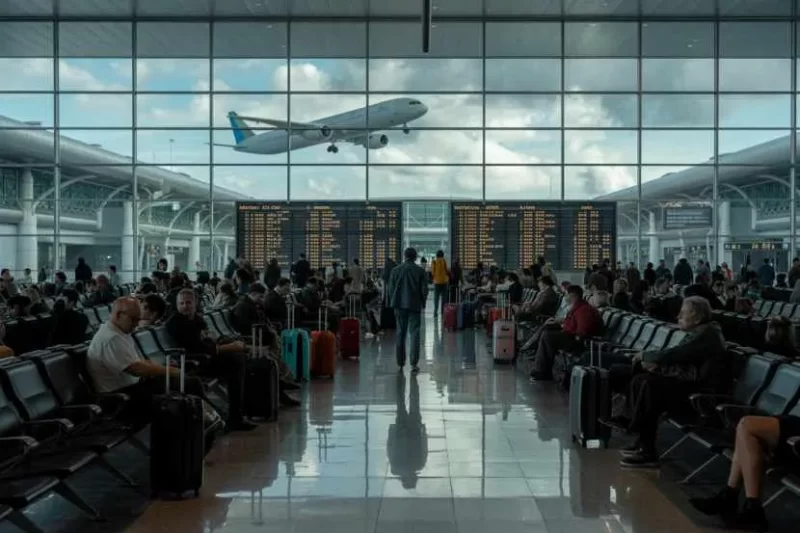
Passengers described a tense atmosphere inside airport terminals as flight information boards displayed changing schedules throughout the day. Some travellers rushed to customer service counters while others monitored airline mobile applications for updates about rebooking options. Airport officials encouraged passengers to remain attentive to airline communications and to confirm the status of their flights before arriving at the airport. Airline representatives also reminded passengers that updates are typically sent through mobile notifications email alerts or airline apps which provide the most accurate information during operational disruptions.
Lisbon and Porto airports play a central role in Portugal’s aviation system connecting the country to major cities across Europe the Middle East and other global regions. Humberto Delgado Airport in Lisbon handles millions of passengers each year and acts as the main gateway to the capital city while Porto’s airport serves as the primary transport hub for northern Portugal. Both airports support tourism business travel and international connections which means operational disruptions can quickly affect large numbers of travellers and airline schedules across several routes.
Airline disruptions can occur for a variety of operational reasons including aircraft scheduling adjustments crew availability technical checks or weather conditions affecting flight safety. Aviation analysts note that when several carriers adjust schedules at the same time it can create a chain reaction across airport operations including delays at departure gates congestion at check in counters and longer security lines. Such disruptions often require coordination between airlines airport authorities and ground services to restore normal operations as quickly as possible.
Airport authorities and airline staff continued working to manage passenger flow and reorganize departures while airlines adjusted schedules and rebooked affected travellers. Many passengers were offered alternative flights or connections depending on seat availability on later services. Travellers were advised to stay in contact with their airlines and check official communication channels for updates regarding departures. the end of the day airport operations were gradually stabilizing although some travellers continued to face delays while waiting for replacement flights or revised travel arrangements.