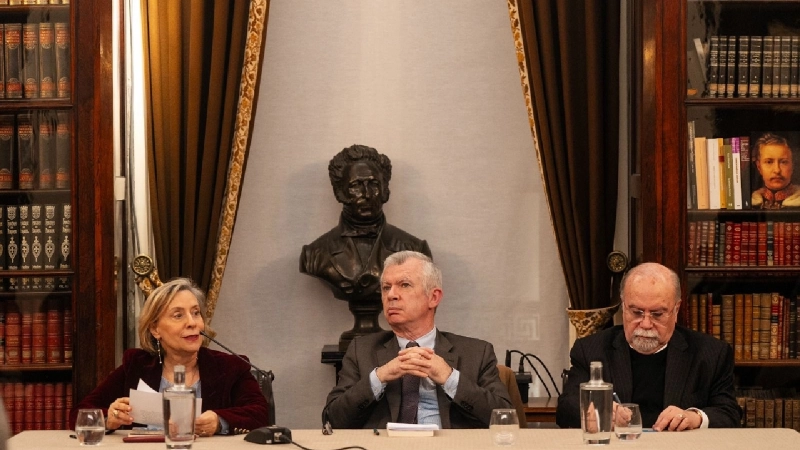
A major literary and academic event in Lisbon has highlighted growing cultural and educational collaboration between Asia and Europe, as the University of Macau unveiled a new scholarly monograph dedicated to Luís de Camões. The publication, titled Camões Poeta, Herói n’Os Lusíadas, explores the legacy of one of Portugal’s most influential literary figures and reinforces the university’s role as a bridge between Chinese and Portuguese speaking academic communities. The launch brought together leading scholars, policymakers, and cultural figures, reflecting the enduring global relevance of Portuguese literature.
The event gathered a distinguished audience from across academic and cultural institutions, underlining the importance of Camões in both historical and contemporary discourse. University representatives emphasized Macau’s unique position as a meeting point of Eastern and Western traditions, which continues to support Portuguese literary research and scholarship. The monograph has also been recognized as part of broader institutional milestones, marking key anniversaries linked to the University of Macau and international academic networks focused on Lusophone collaboration.
Speakers at the launch highlighted the intellectual depth of the work and its contribution to reinterpreting Camões’ masterpiece Os Lusíadas. The author, a prominent literary scholar from Lisbon, presented a renewed reading of the epic, framing it as a lyrical exploration of human experience shaped disorder, ambition, and poetic vision. The study revisits Camões not only as a poet but also as a heroic figure whose narrative continues to resonate across cultures and generations, particularly within Portuguese speaking societies.
Academic commentators further expanded on the historical dimension of Camões’ life, especially his time in the East, which remains a subject of ongoing scholarly interest. Discussions at the event examined the broader influence of his work beyond Portugal, noting its lasting impact across multiple literary traditions in the Lusophone world. Experts pointed to the importance of revisiting classical texts through modern analytical frameworks, allowing new interpretations to emerge while preserving the cultural significance of foundational works.
The Lisbon launch also served as a platform to reinforce institutional partnerships and intellectual exchange between Europe and Asia. With participation from prominent figures in science, culture, and public life, the event underscored the continued relevance of literary scholarship in shaping global cultural dialogue. As universities expand cross border collaboration, projects such as this monograph demonstrate how historical narratives and literary heritage can be repositioned within a modern international academic landscape.