Ceasefire on Shaky Ground
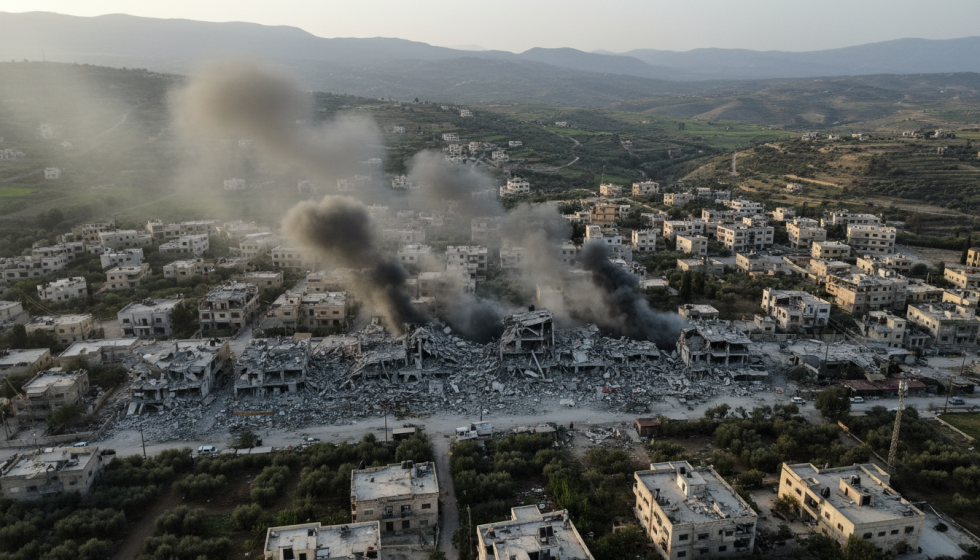
Blasts and air activity jolted residents of southern Lebanon back into a state of alarm. Reports from Lebanon’s state news agency NNA indicated Israeli aircraft had targeted multiple sites in the south, wreaking havoc on homes and infrastructure. The Israeli military, speaking through Reuters, justified these Israeli strikes in Lebanon as essential responses to detected threats. As smoke spiraled near border villages, locals were urged to limit their movements. The ceasefire, once the talk of mediators, is now facing a serious test as both sides hurl accusations of violations.
Civilians in the Crossfire
Civil defense teams and local clinics were overrun with activity; ambulances sped between impact sites and already crowded hospitals. NNA’s reports noted casualties, and some families took off to neartowns, seeking refuge from the bombardment. The Lebanese Red Cross confirmed deployments to various villages, with posts flooding social media. Meanwhile, a UN Update highlighted how road damage can rapidly choke off basic supplies; check out UN News on aid and fuel pressure for more. Relief groups—aided the likes of CNEWA—are grappling with escalating needs. Medics warned that the looming threat of more strikes was hampering crucial evacuations.
Government Responses: A Study in Contrasts
Lebanon’s caretaker government didn’t mince words, slamming the attacks. The Ministry of Foreign Affairs declared these strikes on populated areas a blatant violation of Lebanese sovereignty and a direct threat to the truce. The Lebanese Armed Forces pledged to assess damage while coordinating with UNIFIL to avoid further mishaps. For a side-by-side of ceasefire rhetoric versus battlefield reality, leap over to Ukraine oil strikes and ceasefire talks. Meanwhile, the Israel Defense Forces reiterated their stance, promising to continue military actions against imminent threats; Reuters had all the juicy details. Briefings from both capitals screamed a lack of compromise, even as diplomats clamored for restraint.
The Sword of Damocles: Escalation Risks
Security analysts are sounding alarm bells. Repeated exchanges could lead to catastrophic miscalculations, especially when strikes happen near civilian corridors, and vital command nodes are squeezed tight against populated areas. UN agencies have flagged how regional shocks could disrupt supply chains—reinforced a Live UN News dispatch highlighting strain across the Middle East. The potential for wider retaliation from armed groups rises if they sense the ceasefire has crumbled. Today, the landscape for shipping, aviation, and border commerce looked downright treacherous, with officials urging schools to beef up shelter procedures. Deterrence messaging was echoed on both sides, but the rapid pace of events shows escalation isn’t just a possibility; it’s hanging a thread.
Diplomatic Dance: The International Response
Globetrotting diplomats in New York and across Europe are cranking up the rhetoric, pleading for adherence to existing agreements. UNIFIL is actively engaging both parties to ease tensions along the Blue Line. France’s Foreign Ministry joined the chorus, calling for de-escalation to protect civilians, as reported AFP. Meanwhile, the U.S. State Department is pushing for steps to restore calm, according to a briefing transcript. On the ground in Beirut, aid coordinators are racing to secure defined routes for ambulances and repair crews; local leaders are scrambling for donor support. With Israeli strikes in Lebanon at the heart of mediation efforts, envoys are keen on establishing verifiable mechanisms to curb the violence. Buckle up for another update post talks between military liaisons and their UN counterparts, with live tracking cranking through the night.