Ramped-Up US Naval Presence
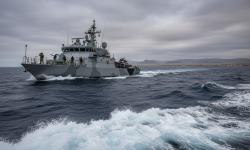
US officials are shouting from the rooftops about a beefed-up naval stance after some rather fiery confrontations with Iranian fast boats near crucial shipping lanes. They’ve broadened their live monitoring feeds, tracking those speedy little craft as they scoot around commercial traffic. According to the US Central Command, these tensions are yellow lights flashing for new defensive measures aimed at stopping the harassment and safeguarding merchant crews. Today, the Pentagon insists its actions target immediate threats and maritime warnings, urging ship operators to stay on their toes while navigating these waters. Meanwhile, Iran’s state media is pointing fingers, calling Washington’s moves an escalation and vowing to respond to what they label as hostile activity.
Military Backup for Commercial Vessels
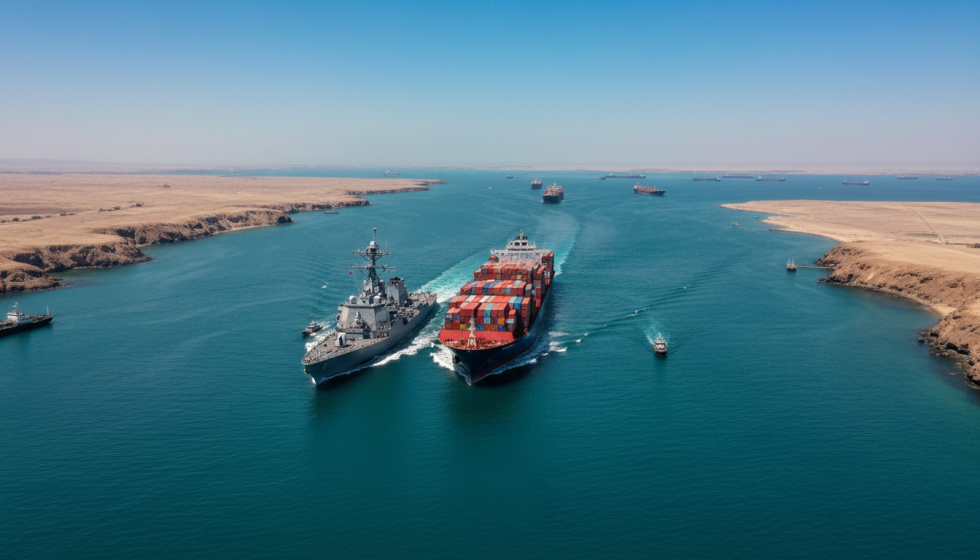
Commercial operators are being politely nudged to tighten up their reporting protocols, ramp up bridge watches, and practice emergency drills as naval patrol patterns get a new coat of paint. A fresh missive circulating through maritime security channels pushes for better coordination between ship captains and coalition liaison squads. This advice is nothing new—it’s actually endorsed the United Nations’ guidance on shipping safety. For those with a penchant for wider regional narratives, don’t miss the developments on Mozambique archbishop condemning recent attacks as the globe’s diplomatic bandwidth gets stretched. Live risk notes are also echoing the UN’s analysis on the Strait of Hormuz, which you can check out here: Uncertainty continues over safety in the Strait of Hormuz. Today, operators are advised to document any suspicious craft and send those time-stamped positions to naval contacts.
Oil Market Shudders
Energy traders aren’t taking this lightly. With the Gulf region hitting turbulence, they’re adjusting their short-term supply risk premiums but holding tight on long-term demand assumptions. Updates on market briefs suggest any hiccup in tanker routes means skyrocketing freight and insurance costs, which inevitably trickles into the benchmark pricing. Analysts at the International Energy Agency have dissected this in their market reports, and if you’re interested in how this stacks up against other geopolitical headaches, see Troop cuts in Germany raise NATO diplomatic risks. Today, tanker operators are laser-focused on maintaining schedule integrity while also juggling rerouting plans for good measure.
Iran’s Strategic Posture
Iran is playing its cards close to its chest, framing its tough stance as a form of deterrence while regional powers scramble to protect their critical infrastructure and export reliability. UAE officials have made it abundantly clear that security at their oil facilities is a top-tier national priority, and they’re talking continuity planning in the public eye. The United Nations warns that maritime insecurity can cause humanitarian delivery challenges when ports feel the heat, a theme that’s gotten plenty of airtime in UN briefings. Live surveillance of offshore activities has ramped up as navies attempt to prevent small boat incidents from morphing into larger clashes. On the ground today, officials around the Gulf are balancing public reassurances with noticeable security measures.
What’s Next for Diplomacy?
As naval operations ramp up, diplomatic channels are racing alongside them, with capitals keen to douse the flames before retaliation escalates and endangers crews and cargo. Governments are stressing the importance of keeping communication lines open for deconfliction and handling incidents at sea. Recent updates have underscored the necessity of maintaining professional contacts during those awkward close encounters. Today’s the day: will both sides play it cool, dial down the risky moves, and commit to verifiable communication in these choppy waters?