Trump’s Deadline: It’s Now or Never
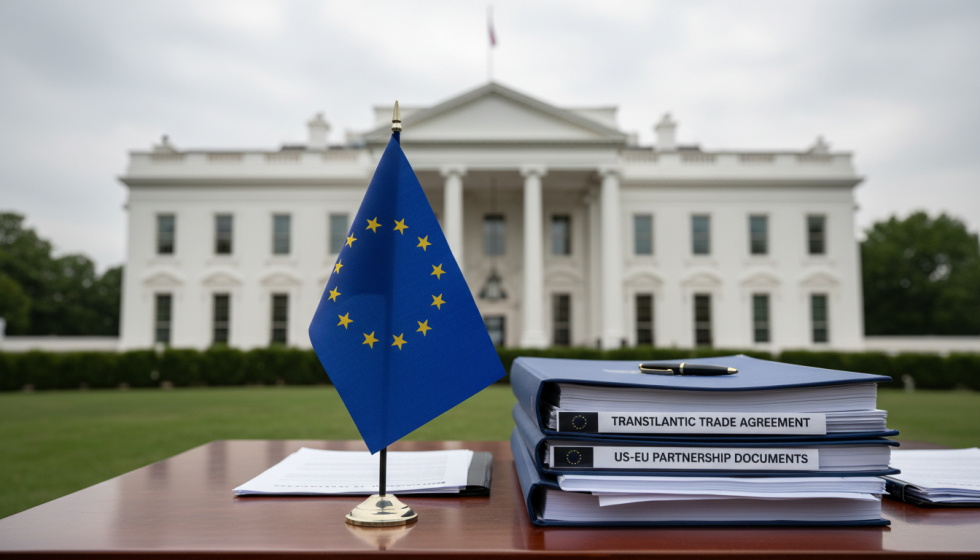
President Donald Trump has thrown down the gauntlet, demanding the European Union approve a trade deal 4 July. This isn’t just a suggestion; it’s a hard deadline. US officials are spinning it as leverage: a clear yes or no from Brussels, with a delay meaning a flat-out rejection. In this high-stakes game of chicken, the US-EU trade deal has become the barometer for whether both sides can still queer it up on market access and industrial policy. The full text of the deal? Still under wraps. Trump made it crystal clear in public comments (as reported Reuters) that compliance could lead to swift tariff moves. Meanwhile, EU diplomats scramble for clarity on what counts as a thumbs up.
Trade Relations in the Balance
The fallout is immediate. Companies on both sides are now pricing in policy risks like they’re at a casino, while negotiators rush to craft language that can survive the mess of domestic politics. Briefings from Brussels indicate that Trump’s ultimatum could squeeze EU procedures, which typically requires a level of scrutiny via European Commission guidelines. Just look at how political deadlines can warp negotiations beyond trade, as recent history shows in Pope Leo XIV meets Poland PM Tusk at Vatican. Today, everyone from the auto industry to agriculture is keenly attuned to tariff whispers, especially if the US decides to bring back snapback measures based on compliance. Update memos zipping through the grapevine are keeping lawyers busy with risk assessments.
Trade Wars: A Hazy History
This ultimatum isn’t happening in a vacuum. It rolls in on the back of a nasty history full of quarrels over aircraft subsidies, digital taxes, and those pesky steel and aluminium tariffs. The World Trade Organization has a treasure trove of records on the long-standing Airbus vs Boeing saga, a legal spat that reminds us why clear enforcement language can’t be ignored. A recent energy market shock serves as a reminder that policy disruptions can jab contracts right in the gut, as highlighted in Shell profits climb as Iran conflict lifts oil. This time around, it’s less about a single item and more about whether any commitments can actually hold up both in court and in the political arena—because the US-EU trade deal is the name of the game. Lawyers are buzzing about whether fresh text will limit unilateral actions or just shove them under the rug for later. Meanwhile, capitals linger in a cautious bubble.
European Leaders: Playing Their Cards
European leaders have options, but their initial reactions will likely be all about procedure rather than grandiose theatrics. They need to show they’re upholding the EU’s institutional integrity. The European Commission might signal a readiness to speed up technical discussions while rejecting any narrative that hints at capitulation. French and German diplomats are already drumming up discussions about the stickiness of reciprocity—something that’s always a buzzword in EU trade talks—as they ponder whether to acquiesce to this slammed timeline. Of course, the looming tariff question is bound to break headlines since immediate duties could crush politically sensitive exports and set off a wave of countermeasures. All eyes are on whether member states will demand safety nets for their autos and agri sectors, where domestic pressure is high. Expect those statements to be tightly worded—no room for misinterpretation.
What Lies Ahead for Negotiations?
The clock is ticking. What’s coming next is a narrow window for negotiators to churn out something that EU institutions can stamp with approval swiftly, or brace for a retaliatory cycle that could set hard positions in stone for summer. The White House is shouting from the rooftops that 4 July is the moment of truth, and any extension will require some serious concessions—Trump has made that abundantly clear in his comments to Reuters. If things tip into confrontational territory, the US-EU trade deal risks morphing into a messy managed conflict, with targeted tariffs and sector exemptions being wielded like bargaining chips. Keep an ear out for official notices on duty rates or implementation timelines from US agencies, because market reactions will be on a tightrope. Trade associations are likely to be swift with guidance that zeros in on documentation, rules of origin, and contingency planning. The next moves hinge on what actually gets sent to Brussels for a once-over.