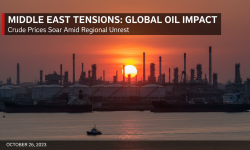
US-Iran Tensions Send Oil Prices Soaring
Crude benchmarks shot up in early trading as traders faced the grim reality of supply risks from Gulf skirmishes. Several banks chimed in, noting this uptick wasn’t about soaring demand but rather a blatant reawakening of security premiums. As market coverage unfolded, dealers pointed to options activity and broader time spreads suggesting a healthy dose of caution was needed, particularly with the strait of hormuz in the spotlight. Just a minor disruption there can wreak havoc on prompt barrels and shipping schedules.
Navigating Hormuz: A Risky Business
Tankers kept on chugging through, yet shipowners and insurers were recalibrating everything from routing to premiums as official rhetoric hardened. In a timely update, brokers were talking about heightened war risk quotes and a more cautious approach to chartering voyages through the strait. Investors were all ears, tracking central bank chatter, especially in the backdrop of the Federal Reserve FOMC statement. A particular live note from energy analysts pointed out a close link between security buzz and cargo differentials for Gulf grades, with maritime security alerts driving buyers towards tighter delivery windows.
The Market’s Quickfire Reaction
Across Asian and European trading desks, energy exposure was being repriced more rapidly than a London bus on the verge of missing its stop. Late morning, airlines and heavy fuel users cranked up their hedging while some exporters cashed in on the uptick. Market chatter drew comparisons to tariff-driven volatility reminiscent of Trump’s July 4 deadline stirring the EU trade deal pot. Traders observed closely how risk sentiment intertwined with tighter shipping capacities in the Gulf. An update from various exchanges pointed to soaring margin and volatility settings for crude contracts, a move that could amplify daily fluctuations even as the cargoes keep flowing.
Diplomacy in the Line of Fire
With Washington and Tehran trading barbs, regional intermediaries were left scrambling, desperately urging restraint. Traders kept their eyes peeled on diplomatic maneuvers rather than panic over production outages. The real question lay in whether communication channels could lower the risk of further maritime incidents. Live insights from risk consultancies suggested that de-escalation signals tend to hit the security premium quicker than a freight train, even before shipping conditions return to normal. This dance of US-Iran tensions also seemed to sway the messaging from allied capitals, where diplomats huddled around freedom of navigation narratives.
The Bigger Picture: Future Energy Implications
Even if things calm down, this latest spat highlights how swiftly choke points can send energy prices tumbling. Portfolio managers are now scrambling to diversify their supply chains and boost strategic stocks to cushion against sudden maritime shocks. Analysts rattled off discussions about the persistent vulnerability of the strait of hormuz—one that could elevate the long-term capital costs for energy-heavy industries. And expect forward curves to reflect steeper premiums for near-term delivery when the risk clocks skyrocket, followed swift mean reversions if transit remains stable. The bottom line? Energy pricing is evolving to factor in these risks as recurring nightmares rather than rare occurrences.